
Loading...

How to Transform Your Urban Deck into a Native Pollinator Haven | urbanoutdoorsnyc.com | Urban Outdoors - Small-Space Gardens, Rooftop Decks, Balconies, Decks, Backyard Design
Skip to main content
Urban Outdoors
Search
Home
  1. Home
  2. /
  3. Deck Construction & Remodeling
  4. /
  5. Turning Your Deck Into a Native Pollinator Haven
Deck Construction & Remodeling

Turning Your Deck Into a Native Pollinator Haven

bySheila Spaulding
2026-03-05 05:05:25March 5, 2026
5 min read
Featured image for Turning Your Deck Into a Native Pollinator Haven

Categories

Navigation

  • Home
  • All Articles
  • About Us
  • Privacy Policy
  • Terms of Service

© 2026 Urban Outdoors. Crafted for bold city dwellers.

2026-03-05 05:05:25
Urban Outdoors - Small-Space Gardens, Rooftop Decks, Balconies, Decks, Backyard Design

Micro-Meadow Decks: Creating Urban Habitats for Pollinators

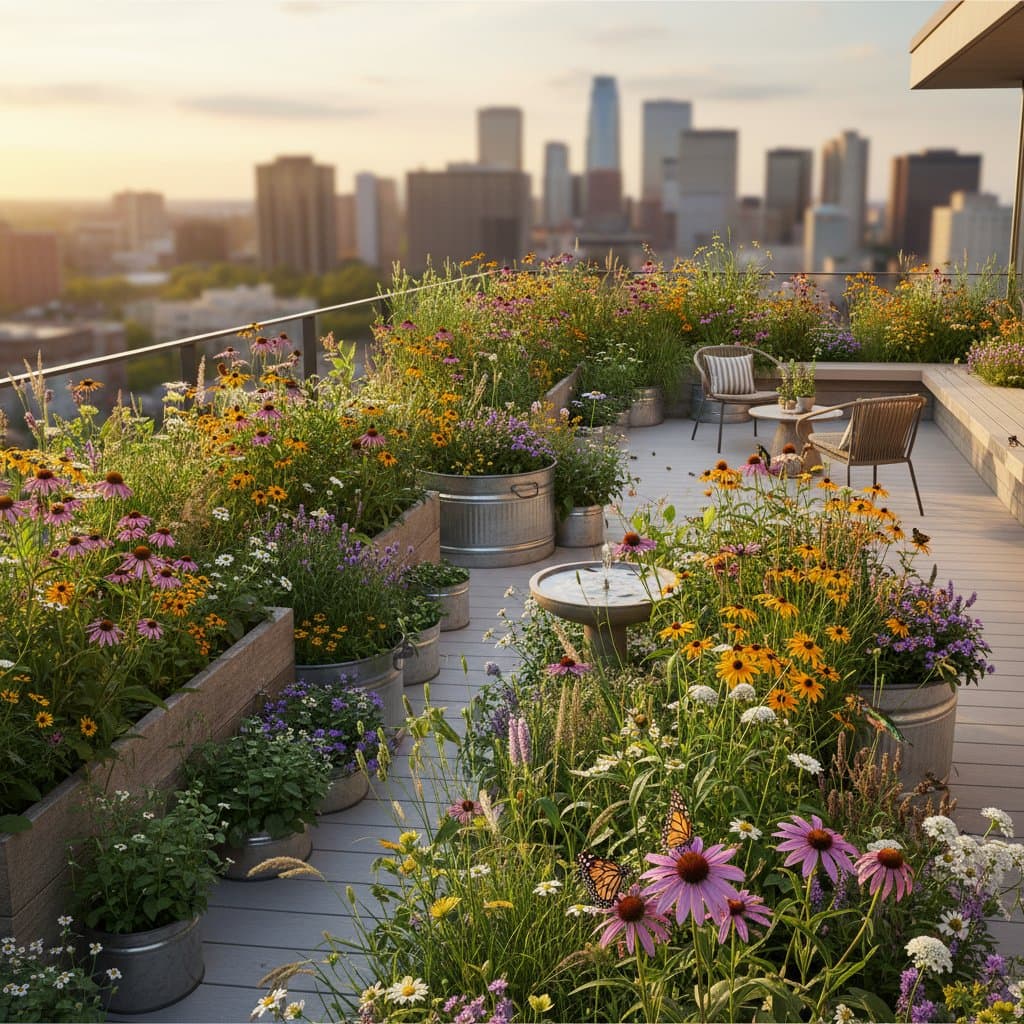
Urban decks offer untapped potential beyond seating and storage. They can become compact meadows that invite bees, butterflies, and birds into dense cityscapes. A micro-meadow deck features native wildflowers in containers, delivering nectar sources, protective cover, and serene aesthetics on balconies, rooftops, or patios.

This approach establishes a stratified ecosystem that remains practical for city dwellers. Begin with four containers, several square feet of soil, and a dedicated weekend. The result evolves into a resilient planting that shifts through seasons, fostering pollinator activity with minimal intervention.

Key Benefits of a Pollinator-Friendly Deck

Beyond visual appeal, these decks contribute to environmental health. Plants filter airborne pollutants, absorb urban noise, and capture rainwater to reduce runoff. Root systems secure soil against erosion, particularly on elevated surfaces, while foliage generates shaded areas that moderate heat on sunny afternoons.

Pollinators arrive as frequent guests, introducing vitality to otherwise static surroundings. Such installations inspire nearby residents to adopt similar practices, forming interconnected green corridors that bolster citywide biodiversity. Each small effort amplifies ecological resilience.

Essential Tools and Materials

Assemble these items prior to beginning. Scale quantities to match your available space.

Tools

  • Trowel or hand cultivator for soil preparation
  • Measuring tape to assess container placement
  • Garden scissors for trimming
  • Durable gloves for handling materials
  • Watering can or hose equipped with a soft spray nozzle

Materials

  • Four to six durable planters, minimum 12 inches in depth
  • Potting mix enriched with compost for nutrient support
  • Gravel or expanded clay pebbles for bottom drainage
  • Native wildflower seeds or starter plugs suited to your region
  • One-inch layer of mulch or leaf litter to retain moisture
  • Optional: Saucers or bins to manage excess water

For a deck measuring six by eight feet, allocate three cubic feet of potting mix and one cubic foot of gravel. Reserve a utility bucket for soil blending and post-project cleanup.

Safety Considerations

Prioritize structural integrity and personal protection. A filled planter with damp soil typically weighs 50 to 70 pounds; verify your deck supports at least 40 pounds per square foot to prevent overload.

Manage water to avoid seepage that might harm underlying areas; employ trays or absorbent mats. Maintain sharp, clean tools to minimize injury risks. If pollen triggers allergies, don a mask during handling. For elevated installations like hanging planters, ensure secure footing and enlist assistance.

Step-by-Step Guide to Building Your Micro-Meadow

Step 1: Site Assessment and Planning

Evaluate sunlight exposure, typically four to six hours daily for most natives. Measure space and sketch container positions to maximize airflow and pollinator access. Select species like black-eyed Susan, bee balm, or milkweed that thrive locally and bloom sequentially.

Step 2: Prepare Containers

Drill or confirm drainage holes in planters. Layer one to two inches of gravel at the base, followed by potting mix to within two inches of the rim. Moisten soil lightly to settle it.

Step 3: Plant the Wildflowers

Sow seeds per package directions or transplant plugs, spacing them six to eight inches apart for growth. Group complementary plants: tall varieties in centers, low growers at edges. Cover seeds thinly with soil and press gently.

Step 4: Initial Care and Mulching

Water thoroughly until excess drains, then apply mulch to suppress weeds and conserve moisture. Position containers to form clusters, leaving paths for movement. Monitor for the first two weeks, watering when the top inch of soil dries.

Budget and Timeline

This project proves economical compared to leisure outings. Basic costs include:

  • Planters: $4 to $6 for compact sizes, $10 to $20 for larger ones
  • Soil and drainage materials: $25 to $40 overall
  • Seeds or plugs: $30 to $60 based on selections
  • Additional supplies like trays and mulch: $20

A standard setup totals $100 to $150. Initial assembly spans six to eight hours across two days. Mature plants require under one hour weekly for upkeep.

Invest in quality soil and drainage to avoid future issues; inferior options compact quickly, starving roots of air. Opt for lightweight blends with compost to promote enduring vitality.

Maintenance and Troubleshooting

Sustain your meadow through routine observation. Water deeply but infrequently, allowing soil to dry between sessions. Prune spent blooms to encourage reblooming and remove debris to deter pests.

Common Issues and Solutions

  • Wilting despite watering: Blocked drainage often causes this. Inspect holes, clear obstructions, and add gravel if repotting becomes necessary.
  • Pale or yellowing leaves: Soil compaction or nutrient shortages contribute. Aerate the surface two inches deep with a fork and incorporate compost.
  • Sparse pollinator activity: Insufficient diversity or hydration sources limit visits. Introduce a contrasting bloom time species and provide a shallow dish of water with pebbles.
  • Soil mold or fungal growth: Excess moisture and stagnation foster this. Cut back on watering and widen container gaps for better circulation.

Professional Assistance When Needed

DIY suits most scenarios, yet consult experts in these cases:

  • Decks of advanced age or uncertain load-bearing capacity
  • Drainage setups risking adjacent properties
  • Complex additions like automated irrigation or illumination

Seek specialists in urban or elevated gardening. Request evaluations of weight limits and sealing measures before placing substantial containers.

Expert Strategies for Long-Term Success

  1. Begin modestly with four containers to gauge light and moisture patterns, then scale up.
  2. Affix durable labels to track varieties, aiding winter planning when growth recedes.
  3. Steer clear of chemical treatments; opt for hand-picking pests or organic alternatives to protect beneficial insects.
  4. Ensure bloom succession so nectar remains available year-round, sustaining visitor interest.
  5. Source natives from regional suppliers or ecological organizations for optimal adaptation.

Sustaining Urban Biodiversity Through Your Deck

Your micro-meadow deck weaves personal enjoyment with broader impact. It nurtures essential species, mitigates city stresses, and sparks community green initiatives. As plants flourish and pollinators thrive, the space transforms routine living into a harmonious extension of the natural world.

You Might Also Like

Solar Canopy Decks Generate 1-3 Kilowatts of Power

Solar Canopies Cut Bills While Shading Your Deck

Solar Pavers Turn Every Step Into Usable Power

Turn Your Rooftop Into a Native Pollinator Meadow

Shade Sails Drop Deck Temps 20 Degrees Fast

Tagged:

design,deck,wildflowers,micro,native,meadow,pollinator,native-wildflowers,pollinator-deck,micro-meadow-design

Recent by Sheila Spaulding

Image for Solar Pavers Turn Every Step Into Usable Power

Solar Pavers Turn Every Step Into Usable Power

Mar 4, 2026
Image for Micro-Misting Cuts Balcony Heat by 20 Degrees

Micro-Misting Cuts Balcony Heat by 20 Degrees

Mar 4, 2026
Image for Solar Pergolas Turn Rooftops Into Power Generators

Solar Pergolas Turn Rooftops Into Power Generators

Mar 4, 2026
Image for Solar Pavers Turn Your Deck Into a Power Source

Solar Pavers Turn Your Deck Into a Power Source

Mar 3, 2026
Image for Plants That Absorb City Noise on Small Balconies

Plants That Absorb City Noise on Small Balconies

Mar 3, 2026

design

Image for Turn 100 Square Feet Into a Thriving Urban Meadow

Turn 100 Square Feet Into a Thriving Urban Meadow

Feb 27, 2026
Image for Solar Pergolas Turn Rooftops Into Shade and Power

Solar Pergolas Turn Rooftops Into Shade and Power

Feb 26, 2026
Image for Create a Balcony Microclimate for Year-Round Comfort

Deck Construction & Remodeling

Turning Your Deck Into a Native Pollinator Haven

Convert your urban deck into a thriving native pollinator habitat that draws bees, butterflies, and birds. Native wildflowers, strategic container arrangements, and minimal upkeep create a sustainable oasis, enhancing beauty, aiding biodiversity, and linking city life to natural cycles.

Mar 5, 2026

Solar Canopy Decks Generate 1-3 Kilowatts of Power

Elevate your outdoor area into an efficient, eco-conscious haven with a solar canopy deck. These installations offer shaded comfort and generate electricity to offset home energy needs. Follow this guide to design, construct, and upkeep a solar-powered deck for enhanced living and sustainability.

Mar 5, 2026

Solar Canopies Cut Bills While Shading Your Deck

Convert your sun-exposed deck into a cool, power-producing haven with a solar canopy. This versatile addition provides shade, reduces electricity expenses, and promotes environmental responsibility. Understand the elements of design, setup, and upkeep that deliver comfort, cost efficiency, and aesthetic appeal, making your deck a seamless, sustainable part of your living area.

Categories

Deck Construction & Remodeling(203)
Balcony Design(175)
Small-Space Gardens(75)
Rooftop Decks(71)
Backyard Design(21)

Create a Balcony Microclimate for Year-Round Comfort

Feb 23, 2026
Image for Create a Balcony Microclimate in One Weekend

Create a Balcony Microclimate in One Weekend

Feb 21, 2026
Image for Mushroom-Grown Seats Turn Balconies Sustainable

Mushroom-Grown Seats Turn Balconies Sustainable

Feb 17, 2026
Mar 5, 2026

Solar Pavers Turn Every Step Into Usable Power

Elevate your outdoor space with solar pavers that capture energy from sun and steps. This guide covers planning, setup, costs, and upkeep to achieve efficient, eco-friendly power generation while enhancing deck functionality and appeal.

Mar 4, 2026

Acoustic Panels Cut Urban Deck Noise by 15 Decibels

Outdoor acoustic panels absorb urban noise, transforming bustling city decks into tranquil havens with reductions up to 15 decibels. This guide covers selecting high-NRC materials, safe installation methods, and weather-resistant maintenance to enhance privacy, comfort, and enjoyment on your balcony or rooftop.

Mar 4, 2026

Solar Pavers Turn Your Deck Into a Power Source

Convert your deck into an energy-generating feature using solar pavers. These robust, non-slip tiles produce clean power to illuminate pathways, recharge devices, and lower utility expenses. Review installation procedures, care guidelines, and professional recommendations to maintain an attractive, effective, and independent outdoor environment.

Mar 3, 2026

Shade Sails Drop Deck Temps 20 Degrees Fast

Shade sails emerge as the premier 2026 option for cooler decks, leveraging tensioned fabrics that slash surface heat by 20 degrees while promoting airflow and elegance. This guide covers material selection, secure anchoring, and upkeep strategies to deliver enduring outdoor enjoyment.

Mar 2, 2026

Hidden Compost Bins That Keep City Decks Clean

Elevate your urban deck with concealed micro compost bins integrated into railings. This comprehensive guide details planning, construction, installation, and upkeep to maintain a tidy, eco-conscious patio without compromising aesthetics or convenience.

Mar 1, 2026

Shade Sails Block 95% of UV While Cooling Your Deck

Elevate your deck with shade sails that deflect up to 95% of harmful UV rays while providing refreshing shade. This comprehensive guide details fabric selection, anchor installation, tension techniques, and ongoing care, all achievable on a modest weekend investment. Achieve greater comfort, safeguard your outdoor area, and embrace seamless al fresco experiences year-round.

Feb 28, 2026

Solar Drip Systems Cut Deck Garden Water Waste 80%

Elevate your deck garden with a solar-powered drip system that uses sunlight for targeted watering, slashes water waste by 80%, and requires minimal upkeep. This guide covers assembly, installation, and tips to maintain thriving plants sustainably.

Feb 28, 2026

Solar Railings Cut Deck Lighting Costs to Zero

Elevate your deck with solar railings that harness sunlight to power lights without utility bills. These systems feature clear solar panels, integrated batteries, and efficient LEDs for a seamless blend of functionality and aesthetics, delivering energy autonomy, minimal upkeep, and eco-friendly illumination.

Feb 27, 2026

The Deck Trick: Growing Gourmet Mushrooms at Home

Convert your deck into a productive mushroom cultivation area with essential tools, effective moisture strategies, and adaptations for changing seasons. This guide details growing premium oyster, lion’s mane, or shiitake mushrooms in buckets or bags, delivering fresh, flavorful results year-round. Inexpensive, easy to maintain, and highly satisfying, these methods prove that compact areas produce substantial culinary rewards.

Feb 26, 2026

Walkable Solar Pavers Turn Patios Into Power Plants

Walkable solar pavers integrate photovoltaic technology into patios, decks, and pathways, generating clean electricity while preserving design integrity. These tiles harness sunlight to energize outdoor features or home networks. Discover their mechanics, pricing, setup process, upkeep advice, and role in advancing sustainable landscapes.

Feb 26, 2026

Why Cork Decks Are the Soft Eco-Choice for 2026

Cork decking rises as a leading sustainable and comfortable material for outdoor spaces in 2026. Derived from renewable cork oak bark, it provides cushioning underfoot, thermal insulation, and resistance to environmental stresses. Suitable for urban balconies and rooftops, cork decks offer a warm, quiet, and eco-conscious alternative with straightforward installation and upkeep.

Feb 26, 2026

Acoustic Screens Cut Neighbor Noise by 40%

Convert a noisy urban patio into a tranquil retreat with acoustic screens that lessen neighbor and traffic sounds by up to 40 percent. Delve into how these panels function, choose suitable materials, and execute detailed installation for effective, elegant noise reduction that fosters privacy, comfort, and calm city living.

Feb 25, 2026

Solar Railings Turn Your Deck Into a Power Source

Elevate your deck or balcony by integrating solar railings, which combine safety features with photovoltaic technology to produce renewable energy. These elegant glass panels enable you to charge electronics, illuminate spaces, and embrace sustainability without compromising design. Discover essential planning, installation, and care strategies to maximize their potential.

Feb 24, 2026

Misting Solar Shade Sails Drop Deck Temps 20 Degrees

Convert your deck into a shaded oasis using misting solar shade sails. These versatile structures provide cooling mist, UV protection, and potential energy savings. Follow this guide for installation, upkeep, and optimization to enjoy pleasant outdoor conditions on the warmest days.

Feb 23, 2026

Acoustic Panels Turn Noisy Decks Into Quiet Retreats

Convert a noisy urban deck into a serene retreat using outdoor acoustic panels. This comprehensive guide details selection criteria, installation methods, and upkeep for weather-resistant panels that minimize echoes, enhance privacy, and elevate aesthetics. Discover actionable advice, essential materials, and strategies to foster a calm, inviting outdoor environment.

Feb 23, 2026

Solar Pergolas Cut Cooling Costs and Shade Your Deck

Elevate your deck with a solar pergola that offers shade and renewable energy. This versatile addition cools your space naturally, powers home features, and cuts cooling expenses. Discover planning essentials, material choices, installation guidance, cost breakdowns, and seasonal upkeep for optimal performance and durability.

Feb 21, 2026

Cork Decking Stays Cool and Soft in Summer Heat

Elevate your outdoor area with cork decking, a renewable and water-resistant material that remains cool, quiet, and comfortable underfoot. Discover planning, installation, and maintenance strategies using essential tools and straightforward care routines to achieve enduring slip resistance, sustainability, and aesthetic appeal on decks, balconies, or terraces.

Feb 20, 2026