
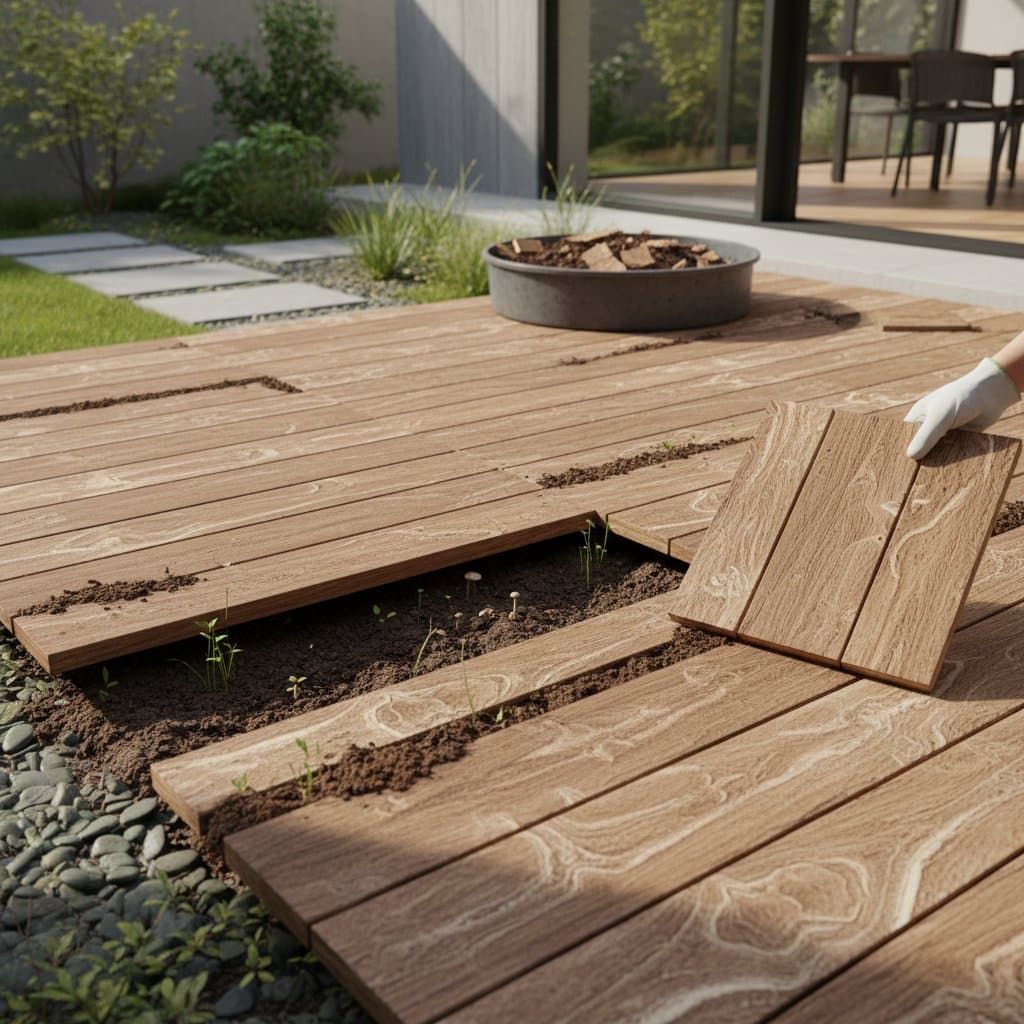
Introduction to Mycelium Decking
Mycelium decking represents an innovative approach to sustainable outdoor construction. Derived from the root-like structure of fungi, these panels combine mycelium with agricultural waste to form strong, lightweight materials that decompose naturally at the end of their life cycle. This guide explores the benefits, installation, maintenance, and long-term value of mushroom-based decks, enabling homeowners to create eco-friendly spaces that align with circular design principles.
Homeowners seeking alternatives to traditional wood or composite decking find mycelium panels appealing due to their low environmental footprint. Production requires minimal energy, as the fungus grows at ambient temperatures using leftover crop residues. Once installed, these decks offer a natural aesthetic while supporting biodiversity through eventual composting.
Material Durability and Performance
Well-sealed mycelium decking withstands outdoor conditions for 10 to 15 years, depending on climate and exposure. In shaded, well-ventilated areas, lifespan extends further, while direct sunlight and prolonged heavy rain accelerate degradation. Laboratory tests indicate compressive strength of 30 to 40 pounds per square inch, comparable to softwoods like pine.
Mycelium resists mold growth effectively, as the curing process eliminates nutrients that attract other fungi. The surface provides a soft, cork-like texture that feels comfortable underfoot, ideal for barefoot lounging. However, load-bearing capacity limits heavy applications; distribute weight from furniture or planters using protective pads to avoid dents.
For optimal performance, select panels with uniform density. Variations in filler materials, such as hemp or straw, influence flexibility and weather resistance. Always verify compatibility with local humidity levels before large-scale projects.
Environmental Benefits
Mycelium decking contributes to carbon sequestration by storing approximately 1.5 pounds of carbon per cubic foot. This captures emissions that would occur if agricultural waste burned, potentially sequestering hundreds of pounds on a standard patio deck. At the end of use, composting returns nutrients to the soil, enhancing structure and water retention without synthetic additives.
Unlike conventional decks treated with chemical preservatives, mycelium avoids leaching toxins into groundwater. Production consumes far less energy than harvesting and processing timber, relying instead on room-temperature growth cycles. This closed-loop system minimizes waste, transforming crop byproducts into functional materials that biodegrade harmlessly.
Adopting mycelium supports broader sustainability goals, including reduced deforestation and lower transportation emissions when sourced locally. Homeowners contribute to healthier ecosystems by choosing materials that integrate seamlessly with natural landscapes.
Design Flexibility and Aesthetics
Mycelium molds into custom shapes, allowing for curved edges, integrated drainage channels, or textured patterns without generating scraps. Experiment with natural pigments like beet powder, coffee grounds, or activated charcoal added to the substrate for varied hues, creating subtle earth tones that evolve over time.
Each panel develops a unique grain from the intertwined fibers, lending an organic appearance that complements gardens, patios, and rooftop terraces. Pair it with elements such as reclaimed stone, bamboo railings, or metal accents for cohesive designs. The material's lightweight nature simplifies handling during installation, reducing labor demands.
Creative applications extend beyond flat surfaces; form benches, planters, or pergola components directly from molds. This versatility encourages personalized outdoor spaces that reflect environmental consciousness and artistic expression.
Building and Installation Basics
Constructing a mycelium deck begins with growing or sourcing panels. For DIY projects, inoculate agricultural fillers with mycelium culture in custom molds, then cure in a controlled environment for about one week. Ensure consistent temperature and humidity to achieve even growth and density.
Frame the structure using untreated lumber or recycled metal joists, spacing supports every 10 to 12 inches to accommodate the material's span limitations. Pre-drill holes for fasteners to prevent cracking, as mycelium boards exhibit less flexibility than traditional wood. Secure panels with stainless steel screws, leaving small gaps for expansion and drainage.
Test a single panel in your climate for several months to assess durability. Monitor for softening or discoloration, adjusting sealing methods accordingly. Professional kits offer pre-grown sheets for faster assembly, ensuring uniformity in larger installations.
Safety Tips During Construction
Maintain a clean, dry workspace to avoid introducing contaminants that could compromise panel integrity. Avoid proximity to treated wood or synthetic resins, as these introduce chemicals that hinder later composting.
Wear protective gloves when handling waxes, oils, or sealants to prevent skin irritation from organic residues. Conduct strength tests on sample panels under simulated loads and weather exposure before committing to full-scale builds.
Ensure proper ventilation during curing to disperse spores, and store tools separately to prevent cross-contamination with non-biodegradable materials.
Maintenance Practices
Treat mycelium decks with care akin to untreated wood. Regularly sweep surfaces to clear debris that retains moisture, and rinse gently with a hose rather than high-pressure equipment, which damages fibers.
Apply natural wax or linseed oil one to two times annually, based on local rainfall patterns. This protective layer repels water while allowing the material to breathe. Steer clear of chemical cleaners or bleaches, opting instead for mild vinegar solutions if mild cleaning proves necessary.
Monitor for signs of wear, such as softening panels. Remove and compost affected sections promptly, replacing them with freshly grown ones to sustain the deck's functionality and promote material cycling.
Troubleshooting Common Issues
Surface softens after heavy rain.
Allow complete drying, then reapply wax or oil. Design decks with adequate slope for drainage, ensuring puddles dissipate within one hour.
Discoloration or dark spots appear.
These often stem from natural fillers; fuzzy growth indicates contamination. Scrub lightly with a vinegar-water solution and expose to sunlight for drying.
Cracks form at screw points.
Always drill pilot holes prior to fastening. Mycelium's rigidity demands precise preparation to maintain structural integrity.
Uneven coloring across panels.
Use filler from a single batch for consistency. Variations in plant fibers alter shades, so blend thoroughly before inoculation.
Budget Considerations and Timeline
DIY mycelium decks cost 12 to 20 dollars per square foot, encompassing frames, fasteners, and materials. While the substrate proves economical compared to composites, increased hands-on time offsets initial savings.
Panel growth and curing require one week, followed by two to three days for installation on modest projects. Professional services, producing uniform large-format boards, range from 25 dollars per square foot installed, rivaling high-end hardwoods.
Long-term economics favor mycelium through negligible disposal expenses. Composting onsite recycles organic matter, avoiding landfill fees and generating soil amendments valued at hundreds of pounds for medium-sized decks.
Smart Storage for Materials
Store unused panels in shaded, dry areas with ample airflow to prevent moisture buildup. Avoid plastic wrappings; instead, stack with spacers to inhibit warping.
In humid regions, keep panels indoors until installation. Mycelium's absorbency shortens viability in uncontrolled environments.
Preserve excess culture or filler in refrigerated, sealed containers for weeks. Label contents distinctly and isolate from edibles to ensure safety.
Engaging Professional Help
Opt for experts in biodegradable construction for expansive or elevated decks, such as rooftops. They guarantee consistent quality through advanced growth techniques.
Inquire about their curing protocols, joint sealing methods, composting guidelines, and compatible framing options. Professionals also optimize spacing to counter sagging, typically requiring supports every 10 to 12 inches.
Verify experience with bio-based materials to avoid common pitfalls, ensuring the project meets durability and aesthetic expectations.
Embracing Circular Outdoor Design
Mycelium decking exemplifies a shift toward regenerative building practices. Materials sourced from local waste streams grow onsite, serve purposefully, and return to the earth without environmental harm.
This model reduces reliance on resource-intensive imports and fosters community ties through shared agricultural inputs. Families gain educational opportunities, understanding life's cycles through tangible home improvements.
By integrating mycelium, homeowners craft enduring yet ephemeral spaces that honor nature's rhythms, promoting sustainability one deck at a time.