
Loading...

Micro-Clover Borders Halve Deck Upkeep | urbanoutdoorsnyc.com | Urban Outdoors - Small-Space Gardens, Rooftop Decks, Balconies, Decks, Backyard Design
Skip to main content
Urban Outdoors
Search
Home
  1. Home
  2. /
  3. Deck Construction & Remodeling
  4. /
  5. Micro-Clover Borders Cut Deck Upkeep in Half
Deck Construction & Remodeling

Micro-Clover Borders Cut Deck Upkeep in Half

byDawn Hayden
2026-03-10 05:04:24March 10, 2026
6 min read
Featured image for Micro-Clover Borders Cut Deck Upkeep in Half

Categories

Navigation

  • Home
  • All Articles
  • About Us
  • Privacy Policy
  • Terms of Service

© 2026 Urban Outdoors. Crafted for bold city dwellers.

2026-03-10 05:04:24
Urban Outdoors - Small-Space Gardens, Rooftop Decks, Balconies, Decks, Backyard Design

Micro-Clover Borders: Halve Deck Maintenance with Lush, Low-Effort Edges

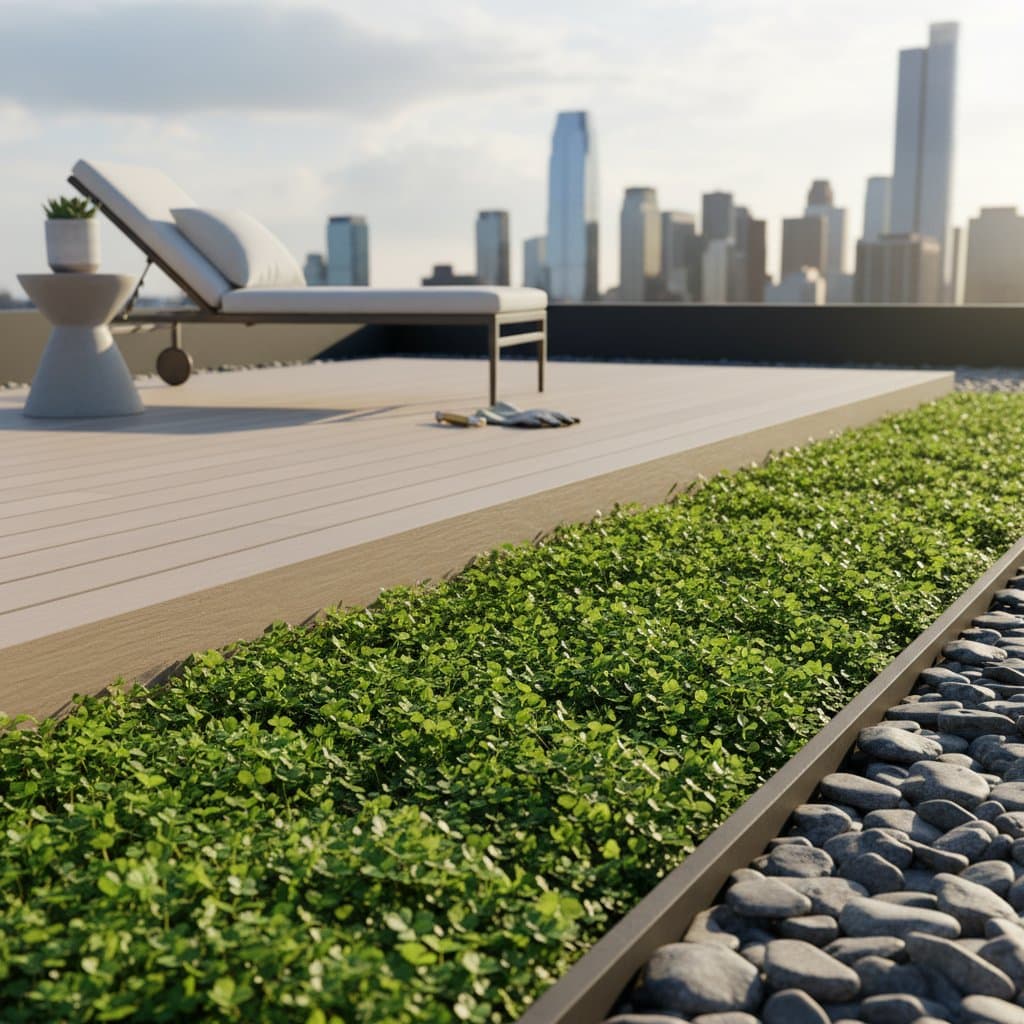
Urban decks often suffer from unkempt edges where grass thins under shade or foot traffic. Thin patches brown quickly in city heat, demanding frequent reseeding and watering. Micro-clover borders offer a superior alternative, creating a verdant frame that endures neglect and elevates outdoor appeal.

This ground cover consists of petite white clover varieties, bred for dense growth and nitrogen fixation. Unlike traditional turf, micro-clover requires no fertilizers, as it enriches soil naturally. Homeowners appreciate its role in softening hard deck surfaces, whether wood, composite, or stone, while fitting seamlessly into small yards.

The installation process transforms barren strips into vibrant borders. Readers gain insights into micro-clover's biology, its suitability for deck perimeters, and step-by-step guidance for long-term success. Such borders not only curb erosion but also support pollinators in urban environments.

Understanding Micro-Clover for Deck Applications

Micro-clover features small leaflets, typically one-eighth inch across, forming a tight mat that reaches four inches in height. This variety tolerates partial shade common under decks, unlike fescue or ryegrass that falter. Its roots delve deeply, accessing moisture during dry periods and preventing weed intrusion.

Around decks, micro-clover excels by hugging contours without invading wood joints. The plant's self-fertilizing trait stems from symbiotic bacteria that convert atmospheric nitrogen into usable nutrients. This process benefits adjacent garden beds, fostering healthier ecosystems without synthetic inputs.

City dwellers benefit from its drought resistance, needing up to 50 percent less water than conventional lawns. In high-traffic zones, it rebounds swiftly, maintaining a uniform green hue year-round in temperate climates. These qualities make micro-clover ideal for borders measuring 12 to 24 inches wide.

Essential Tools and Materials

Preparation demands straightforward supplies to ensure even coverage and establishment. Begin with high-quality micro-clover seed, allocating two ounces per 100 square feet for optimal density. A garden rake smooths the soil bed, while a hand trowel aids in precise edging.

Incorporate a watering can equipped with a fine mist nozzle to avoid displacing seeds. Spread one inch of compost or topsoil over the seeded area for nutrient retention and protection. Light mulch, such as straw, shields emerging sprouts from birds and excessive evaporation.

Consider optional enhancements for best results. A soil test kit verifies pH levels between 6.0 and 7.0, adjusting with lime if acidic. An edging spade defines boundaries, preventing clover spread onto deck surfaces.

Step-by-Step Planting Guide

Select a cool, overcast day in spring or fall for seeding, when soil temperatures hover above 50 degrees Fahrenheit. Clear the border area by removing debris, weeds, and old grass using a rake or sod cutter. Loosen the top two inches of soil to promote root penetration.

Level the surface and incorporate compost evenly, aiming for a slight slope away from the deck to direct water runoff. Broadcast seeds uniformly by hand or with a spreader, then rake lightly to cover them with a quarter-inch soil layer. Gently water the area to moisten without pooling.

Protect the seeded zone with a thin mulch layer and avoid traffic for two weeks. Germination occurs within seven to 14 days, with full coverage in four to six weeks. Thin overcrowded spots if necessary to encourage even growth.

Safety Considerations During Installation

Handle materials with care to protect both installer and structure. Gloves shield hands from soil-borne irritants and sharp tools. Brush away any spilled soil or mulch from deck boards immediately to prevent moisture trapping.

Seeding on calm days minimizes seed loss to wind. If working near elevated decks, secure ladders and wear non-slip shoes. Test soil moisture before planting; overly wet conditions can compact earth and hinder drainage.

For urban settings, check local regulations on ground covers near structures. Ensure no chemical residues from prior lawn treatments linger, as they may inhibit clover establishment.

Ongoing Maintenance Practices

Established micro-clover demands minimal attention, aligning with busy lifestyles. Water deeply every 10 to 14 days in dry weather, delivering one inch weekly to sustain roots. Avoid shallow, frequent watering that encourages weak growth.

Mow or trim two to three times per growing season, maintaining a three-inch height to promote density. Use sharp shears for edges abutting the deck, preventing overgrowth into cracks. Overseed thin areas annually in early spring to refresh coverage.

Micro-clover withstands moderate foot traffic, ideal for border pathways. Install stepping stones spaced 18 inches apart in high-use spots to distribute pressure. Monitor for pests like aphids, treating organically if infestations arise.

Cost Analysis and Time Investment

This upgrade proves economical, with seeds costing 10 to 15 dollars for 100 square feet. Compost and mulch add another 10 to 20 dollars, often sourced locally. Existing tools reduce outlay; new purchases rarely exceed 30 dollars.

Allocate two to three hours for a typical 50-foot border, including prep and seeding. Initial germination spans one to two weeks, with maturity in one month. Compare this to grass reseeding, which costs double and requires ongoing irrigation.

Long-term savings accumulate through reduced water bills and no fertilizer expenses. The investment yields a durable feature that enhances property value in urban markets.

Scenarios Requiring Professional Assistance

Most installations suit DIY enthusiasts with basic skills. Engage a landscape professional for complex site conditions, such as uneven grading or poor drainage near the deck. Experts assess soil compaction and recommend amendments for stability.

Seek help if deck repairs precede planting, like addressing rot or stabilizing posts. Professionals integrate micro-clover with automated irrigation or low-voltage lighting, ensuring compatibility. Consult on barrier fabrics to contain roots without impeding airflow.

A brief site visit, often under 100 dollars, safeguards structural integrity while maximizing aesthetic gains.

Core Benefits and Applications

Micro-clover borders supplant water-hungry grass with a resilient, eco-conscious option. They slash mowing frequency by 75 percent and eliminate chemical needs, benefiting urban waterways. The uniform foliage provides a plush transition from hardscape to softscape.

Apply in varied configurations: linear strips along deck perimeters, curved accents in corners, or infill between pavers. This versatility suits balconies, patios, and rooftop decks. Each installation mitigates heat island effects and supports biodiversity.

Over years, the clover improves soil quality, aiding companion plants like herbs or perennials. Homeowners enjoy a low-effort oasis that withstands city stressors.

Implementing Your Micro-Clover Project

Start by measuring the deck perimeter and delineating a 12- to 18-inch border with string or chalk. Acquire seeds and compost from reputable suppliers, verifying organic certification. Dedicate an afternoon to site prep, seeding, and initial watering.

Observe progress weekly, adjusting care as sprouts emerge. Integrate the border into broader landscape plans, such as pollinator gardens. This simple addition fosters sustainable outdoor living with enduring rewards.

You Might Also Like

Micro-Pergolas Drop Balcony Heat by 15 Degrees

Set Up Drip Irrigation for Deck Containers

Solar Pergolas Cut Deck Heat While Powering Your Home

Acoustic Panels Cut Deck Noise by 30 to 50 Percent

Solar Pergolas Blend Shade With Clean Energy Generation

Tagged:

landscaping,maintenance,deck,micro,clover,low,low-maintenance-deck,deck-landscaping

Recent by Dawn Hayden

Image for Micro-Misting Drops Balcony Temps 15°F in Minutes

Micro-Misting Drops Balcony Temps 15°F in Minutes

Mar 9, 2026
Image for Micro-Pergolas Drop Balcony Heat by 15 Degrees

Micro-Pergolas Drop Balcony Heat by 15 Degrees

Mar 9, 2026
Image for Native Grasses Create Low-Maintenance Balcony Prairies

Native Grasses Create Low-Maintenance Balcony Prairies

Mar 9, 2026
Image for Weatherproof Pods Turn Balconies Into Year-Round Rooms

Weatherproof Pods Turn Balconies Into Year-Round Rooms

Mar 9, 2026
Image for Fast Bamboo Screens Block Views in Weeks

Fast Bamboo Screens Block Views in Weeks

Mar 8, 2026

landscaping

Image for Gravel Gardens Replace Messy Deck Edges Fast

Gravel Gardens Replace Messy Deck Edges Fast

Dec 30, 2025
Image for Moss Walls Bring Calm to Urban Rooftops With Minimal Care

Moss Walls Bring Calm to Urban Rooftops With Minimal Care

Dec 25, 2025
Image for Gravel Decks Cut Water Use 60% With Less Maintenance

Deck Construction & Remodeling

Micro-Clover Borders Cut Deck Upkeep in Half

Revitalize weary deck borders using resilient micro-clover, a self-sustaining ground cover that thrives with little intervention. This guide details installation, care essentials, and advantages like reduced mowing and enhanced aesthetics for compact urban spaces.

Mar 10, 2026

Set Up Drip Irrigation for Deck Containers

Elevate deck gardening with a micro-drip irrigation system that automates watering for consistent plant health. This guide covers planning, installation, and maintenance to save time, reduce water use, and ensure thriving containers in urban settings.

Mar 8, 2026

Soundproof Your Deck with Layers and Soft Surfaces

Convert a bustling urban deck into a serene haven through effective soundproofing techniques. This guide details sealing gaps, layering soft materials, installing acoustic panels, and integrating natural barriers like plants and curtains to foster a private, relaxing environment that balances style and acoustic control.

Mar 8, 2026

Categories

Deck Construction & Remodeling(210)
Balcony Design(182)
Small-Space Gardens(77)
Rooftop Decks(73)
Backyard Design(21)

Gravel Decks Cut Water Use 60% With Less Maintenance

Dec 23, 2025
Image for Moss Walls Cut Deck Upkeep While Cooling City Spaces

Moss Walls Cut Deck Upkeep While Cooling City Spaces

Dec 12, 2025
Image for Moss Thrives Where Rooftop Grass and Sedums Fail

Moss Thrives Where Rooftop Grass and Sedums Fail

Nov 26, 2025

Solar Pergolas Cut Deck Heat While Powering Your Home

Elevate your deck with a solar pergola that offers shade from heat and produces renewable energy. This comprehensive guide details design options, material choices, step-by-step installation, safety measures, and upkeep strategies to boost comfort, cut costs, and promote eco-friendly living in your outdoor area.

Mar 7, 2026

Native Plants Transform Deck Edges Into Pollinator Havens

Convert a plain deck into a bustling pollinator sanctuary using native plant borders. This guide covers design principles, plant selection, planting techniques, and maintenance strategies to attract bees, butterflies, and birds with minimal effort. Explore practical advice, recommended species, and care essentials for a vibrant, eco-friendly outdoor space.

Mar 7, 2026

Acoustic Panels Cut Deck Noise by 30 to 50 Percent

Elevate a bustling deck to a tranquil sanctuary via outdoor acoustic panels. This resource covers selecting resilient materials, orchestrating installations, and upholding acoustic efficacy throughout the year. Acquire actionable guidance, cost-saving advice, and aesthetic concepts to neutralize city clamor, enhance seclusion, and foster relaxed, conducive outdoor interactions.

Mar 6, 2026

Solar Pergolas Blend Shade With Clean Energy Generation

Elevate your deck with a solar pergola that offers shade and generates clean energy. This comprehensive guide details design strategies, material choices, installation processes, safety measures, and ongoing maintenance to achieve a balance of comfort, eco-friendliness, and visual elegance for discerning homeowners eyeing 2026 upgrades.

Mar 6, 2026

Turning Your Deck Into a Native Pollinator Haven

Convert your urban deck into a thriving native pollinator habitat that draws bees, butterflies, and birds. Native wildflowers, strategic container arrangements, and minimal upkeep create a sustainable oasis, enhancing beauty, aiding biodiversity, and linking city life to natural cycles.

Mar 5, 2026

Solar Canopy Decks Generate 1-3 Kilowatts of Power

Elevate your outdoor area into an efficient, eco-conscious haven with a solar canopy deck. These installations offer shaded comfort and generate electricity to offset home energy needs. Follow this guide to design, construct, and upkeep a solar-powered deck for enhanced living and sustainability.

Mar 5, 2026

Solar Canopies Cut Bills While Shading Your Deck

Convert your sun-exposed deck into a cool, power-producing haven with a solar canopy. This versatile addition provides shade, reduces electricity expenses, and promotes environmental responsibility. Understand the elements of design, setup, and upkeep that deliver comfort, cost efficiency, and aesthetic appeal, making your deck a seamless, sustainable part of your living area.

Mar 5, 2026

Solar Pavers Turn Every Step Into Usable Power

Elevate your outdoor space with solar pavers that capture energy from sun and steps. This guide covers planning, setup, costs, and upkeep to achieve efficient, eco-friendly power generation while enhancing deck functionality and appeal.

Mar 4, 2026

Acoustic Panels Cut Urban Deck Noise by 15 Decibels

Outdoor acoustic panels absorb urban noise, transforming bustling city decks into tranquil havens with reductions up to 15 decibels. This guide covers selecting high-NRC materials, safe installation methods, and weather-resistant maintenance to enhance privacy, comfort, and enjoyment on your balcony or rooftop.

Mar 4, 2026

Solar Pavers Turn Your Deck Into a Power Source

Convert your deck into an energy-generating feature using solar pavers. These robust, non-slip tiles produce clean power to illuminate pathways, recharge devices, and lower utility expenses. Review installation procedures, care guidelines, and professional recommendations to maintain an attractive, effective, and independent outdoor environment.

Mar 3, 2026

Shade Sails Drop Deck Temps 20 Degrees Fast

Shade sails emerge as the premier 2026 option for cooler decks, leveraging tensioned fabrics that slash surface heat by 20 degrees while promoting airflow and elegance. This guide covers material selection, secure anchoring, and upkeep strategies to deliver enduring outdoor enjoyment.

Mar 2, 2026

Hidden Compost Bins That Keep City Decks Clean

Elevate your urban deck with concealed micro compost bins integrated into railings. This comprehensive guide details planning, construction, installation, and upkeep to maintain a tidy, eco-conscious patio without compromising aesthetics or convenience.

Mar 1, 2026

Shade Sails Block 95% of UV While Cooling Your Deck

Elevate your deck with shade sails that deflect up to 95% of harmful UV rays while providing refreshing shade. This comprehensive guide details fabric selection, anchor installation, tension techniques, and ongoing care, all achievable on a modest weekend investment. Achieve greater comfort, safeguard your outdoor area, and embrace seamless al fresco experiences year-round.

Feb 28, 2026

Solar Drip Systems Cut Deck Garden Water Waste 80%

Elevate your deck garden with a solar-powered drip system that uses sunlight for targeted watering, slashes water waste by 80%, and requires minimal upkeep. This guide covers assembly, installation, and tips to maintain thriving plants sustainably.

Feb 28, 2026

Solar Railings Cut Deck Lighting Costs to Zero

Elevate your deck with solar railings that harness sunlight to power lights without utility bills. These systems feature clear solar panels, integrated batteries, and efficient LEDs for a seamless blend of functionality and aesthetics, delivering energy autonomy, minimal upkeep, and eco-friendly illumination.

Feb 27, 2026

The Deck Trick: Growing Gourmet Mushrooms at Home

Convert your deck into a productive mushroom cultivation area with essential tools, effective moisture strategies, and adaptations for changing seasons. This guide details growing premium oyster, lion’s mane, or shiitake mushrooms in buckets or bags, delivering fresh, flavorful results year-round. Inexpensive, easy to maintain, and highly satisfying, these methods prove that compact areas produce substantial culinary rewards.

Feb 26, 2026

Walkable Solar Pavers Turn Patios Into Power Plants

Walkable solar pavers integrate photovoltaic technology into patios, decks, and pathways, generating clean electricity while preserving design integrity. These tiles harness sunlight to energize outdoor features or home networks. Discover their mechanics, pricing, setup process, upkeep advice, and role in advancing sustainable landscapes.

Feb 26, 2026