
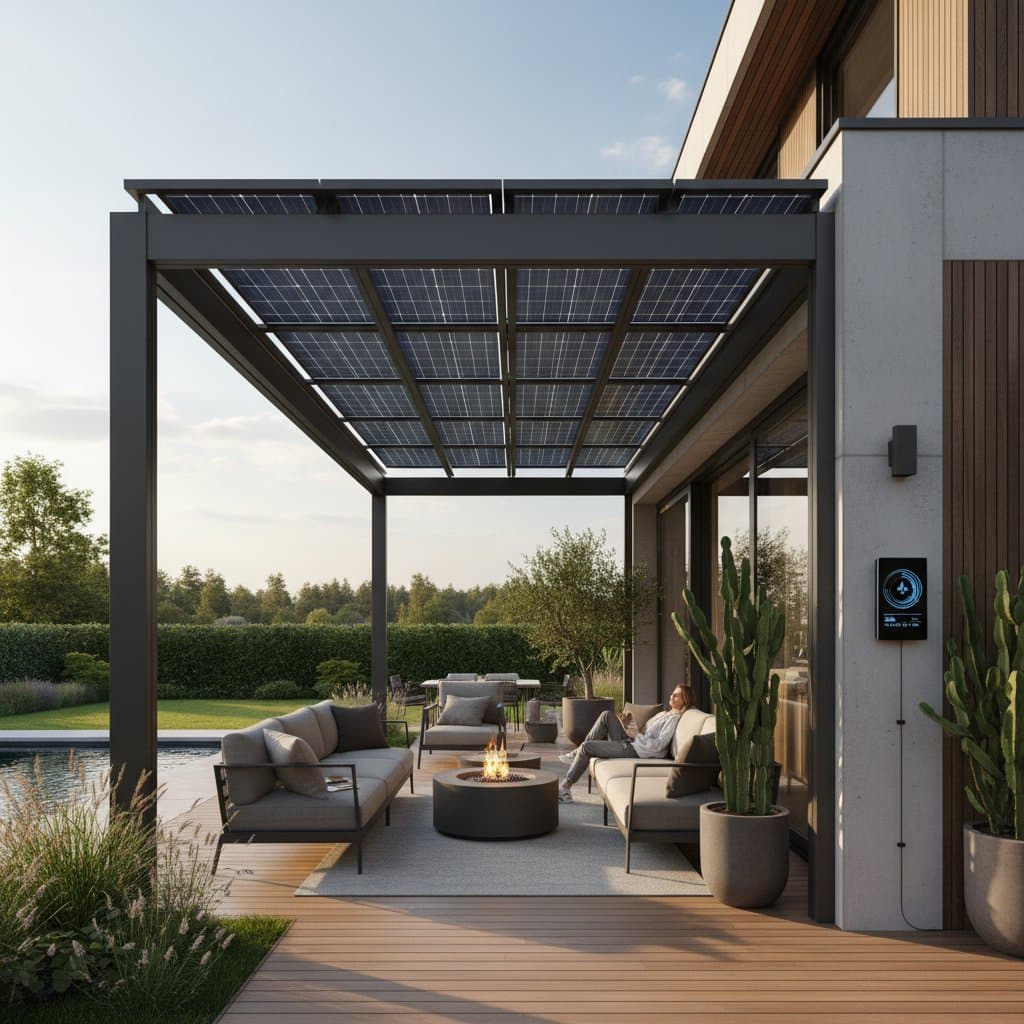
Understanding Solar Retractable Roofs
Decks serve as vital extensions of living spaces, accommodating everything from family gatherings to quiet relaxation. Harsh weather, however, often limits their use, turning potential havens into underutilized areas. Solar retractable roofs address this challenge by combining adjustable coverage with integrated solar technology, allowing users to control sunlight exposure while producing electricity for home use.
These systems consist of retractable panels mounted on durable frames, typically spanning 10 to 20 feet in width to suit standard decks. When extended, the panels provide shelter from rain or intense sun; when retracted, they expose the space to natural light. Embedded photovoltaic cells capture sunlight, converting it into usable power that feeds into the home's electrical system. This dual functionality not only enhances comfort but also promotes energy independence.
Homeowners benefit from reduced reliance on grid power, especially during peak summer months when air conditioning demands soar. Studies indicate that such installations can offset up to 20 percent of a household's annual electricity needs, depending on location and sunlight exposure. Beyond energy savings, these roofs protect deck surfaces from UV damage and weathering, extending the lifespan of outdoor furniture and flooring.
How Solar Retractable Roofs Function
At the heart of a solar retractable roof lies advanced engineering that balances aesthetics, durability, and efficiency. The structure relies on a motorized system driven by low-voltage motors, enabling effortless extension or retraction via remote control or smartphone app. Sensors integrated into the frame detect environmental changes, such as wind speeds exceeding 25 miles per hour or impending rain, prompting automatic adjustments to safeguard the setup.
Solar panels, often made from high-efficiency monocrystalline cells, cover the roof's surface. These panels generate direct current (DC) electricity, which an onboard inverter transforms into alternating current (AC) compatible with household appliances. Excess power can charge batteries for nighttime use or be fed back to the grid through net metering programs, potentially earning credits on utility bills.
Installation begins with assessing the deck's load-bearing capacity. Most systems weigh 5 to 10 pounds per square foot when extended, requiring reinforcements if the existing structure cannot support this. Professionals evaluate site-specific factors like roof pitch, shading from nearby trees, and local building codes to ensure compliance and optimal performance.
Essential Components and Tools
Selecting the right components ensures a seamless integration with your deck. Key elements include robust aluminum or stainless steel framing that resists corrosion in humid or coastal environments. Tempered glass or polycarbonate panels encase the solar cells, offering transparency for light diffusion while withstanding hail impacts up to 1 inch in diameter.
The retraction mechanism features heavy-duty tracks and pivot arms, often powder-coated for added weather resistance. Electrical components encompass junction boxes, conduit piping for wiring protection, and a microinverter or string inverter sized to the system's wattage output, typically 2 to 5 kilowatts for residential decks.
For those overseeing installation or performing upkeep, gather these tools:
- Cordless drill equipped with metal and wood bits for secure fastening.
- Adjustable wrench and socket set for tightening frame bolts.
- Sturdy extension ladder with a 300-pound capacity rating for safe access.
- Digital multimeter to verify voltage and continuity in circuits.
- Level and plumb line to align tracks precisely.
- Protective gear, including impact-resistant goggles, work gloves, and non-slip boots.
Professional installers handle complex tasks like panel array wiring and grid tie-ins, but familiarity with these tools empowers homeowners to contribute to site preparation or minor adjustments.
Prioritizing Safety During Setup and Use
Safety forms the foundation of any outdoor improvement project. Before commencing work, disconnect all power sources and confirm the deck's stability to prevent accidents. Position ladders on level, non-slip surfaces, and secure them with ties or standoffs when working near edges.
When handling panels, lift from the edges to avoid pressure points that could cause cracking. Electrical safety demands double-checking connections with a voltage tester and using ground-fault circuit interrupters (GFCIs) for all outdoor outlets. During operation, program sensors to retract the roof in high winds, reducing strain on motors and frames.
Involve at least one assistant for tasks involving heavy lifting or overhead work. This partnership minimizes risks and streamlines processes. Regular safety drills, such as practicing emergency shutdowns, prepare users for unexpected scenarios like power surges or mechanical failures.
Planning Your Budget and Timeline
Investing in a solar retractable roof requires careful financial planning. Base systems for a 200-square-foot deck range from $10,000 to $18,000, factoring in panel quality, frame size, and automation features. Add 15 to 25 percent for labor, permits, and electrical upgrades, bringing the total to $12,000 to $22,500.
Return on investment materializes through energy bill reductions of $500 to $1,000 annually, alongside potential tax incentives like the federal solar investment tax credit, which covers 30 percent of costs. Enhanced property value adds another layer of appeal, with appraisers noting up to a 5 percent increase for energy-efficient features.
Timeline varies by scope: Site assessment and permitting take one to two weeks, followed by two to four days of installation. DIY enthusiasts might extend this by a week for custom preparations, such as reinforcing joists or painting frames. Opt for phased approaches, like installing a basic retractable canopy first, then retrofitting solar elements within six months.
Maintenance Strategies by Season
Consistent maintenance preserves performance and longevity, often warrantied for 20 to 25 years. In spring, examine frames for rust spots or loose fittings, applying sealant to vulnerable joints. Gently wash panels with a soft brush and mild detergent to remove pollen buildup, restoring up to 10 percent of efficiency.
Summer demands monitoring for overheating; ensure vents allow airflow to keep panel temperatures below 140 degrees Fahrenheit. Retract during peak heat to avoid thermal stress, and inspect wiring for signs of wear from UV exposure.
As fall arrives, remove debris like leaves or acorns that could obstruct tracks, using a leaf blower on low settings. Test sensors monthly to confirm responsiveness, adjusting thresholds as needed for local weather patterns.
Winter preparation includes reinforcing against snow accumulation. Limit loads to 20 pounds per square foot by clearing drifts promptly with plastic shovels. Insulate exposed wiring with heat-shrink tubing to prevent freezing, and run diagnostic checks on the inverter to detect early issues.
Identifying When Professional Help Is Needed
Even robust systems require occasional expertise. Schedule inspections if output drops below 80 percent of rated capacity or if panels show discoloration. Mechanical problems, such as jerky movements or unusual noises, signal the need for lubrication or motor replacement.
Electrical red flags include flickering inverter lights, tripped breakers, or warm-to-touch components. A certified technician can diagnose grounding faults or inverter inefficiencies using specialized tools. Maintain service logs to streamline warranty claims and track performance trends over time.
Realizing the Full Potential of Your Investment
A solar retractable roof elevates everyday outdoor experiences while contributing to broader sustainability goals. It adapts to your lifestyle, providing tailored protection and power generation that aligns with modern living. With thoughtful planning and upkeep, this addition delivers enduring value, transforming your deck into a resilient, eco-friendly retreat for years to come.