
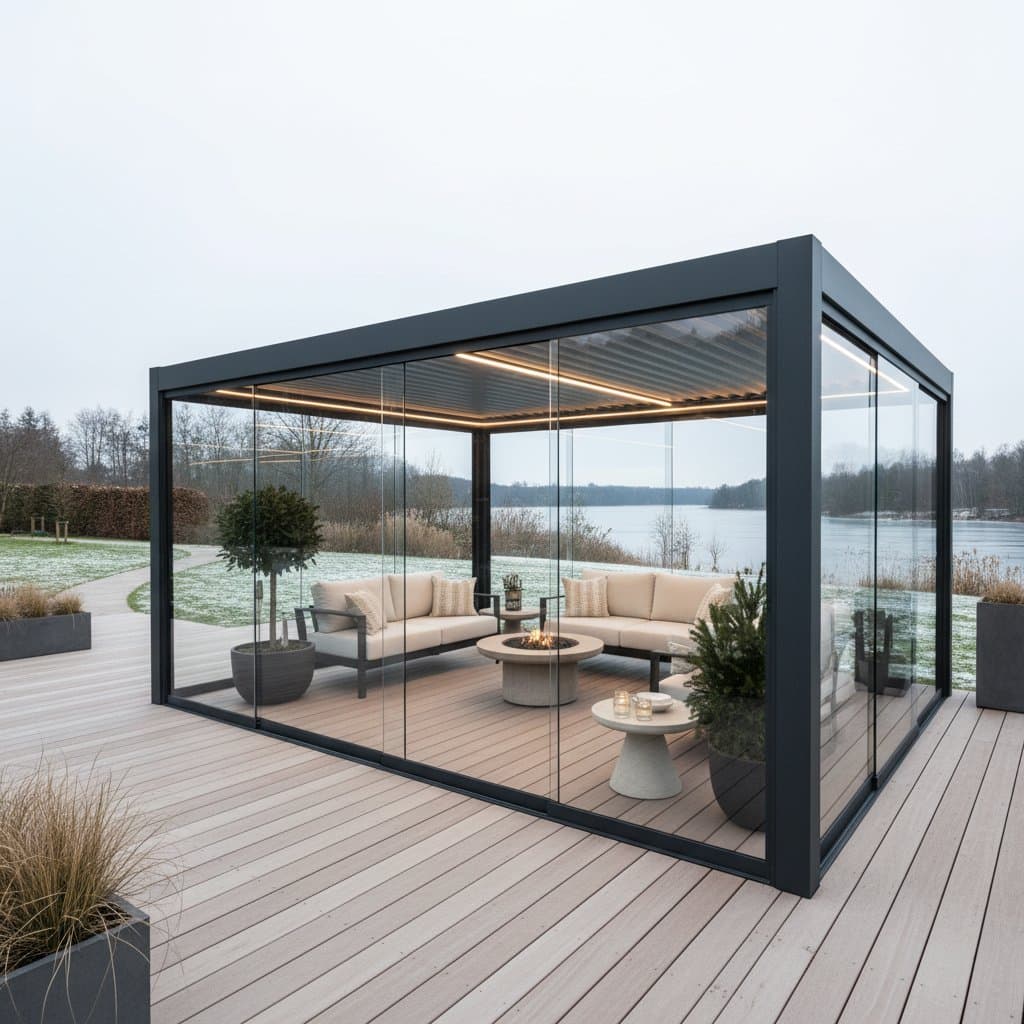
Introduction to Pergola Pods for Decks
Pergola pods offer a practical solution for extending the usability of outdoor decks regardless of weather conditions. These structures integrate the open-air aesthetic of traditional pergolas with enclosed, protective elements to shield against rain, wind, and intense sunlight. Homeowners appreciate their versatility, as they transform underutilized spaces into comfortable retreats for relaxation, dining, or entertaining.
Selecting the right pergola pod involves considering your deck's size, local climate, and desired features. Aluminum options provide superior durability in humid environments, while wood frames add natural warmth for drier regions. With proper planning, installation becomes a straightforward project that enhances property value and daily living.
Essential Materials and Tools
Gather these components before beginning construction to ensure a smooth process. Quality materials contribute to the pod's longevity and weather resistance.
- Fasteners: Galvanized screws, corner brackets, and anchor bolts to secure the framework against corrosion.
- Floor anchors: Four steel base plates designed for secure deck mounting.
- Sealants: Outdoor-grade silicone for sealing roof joints and preventing water infiltration.
- Optional upgrades: Retractable shades for adjustable sunlight control, LED strips for ambient lighting, and side screens for enhanced privacy and wind protection.
Additional tools include a level, drill, chalk line, ladder, and safety gear. Always measure the space twice before marking or drilling to accommodate the deck's footprint and adjacent railings accurately.
Step-by-Step Installation Guide
Follow these sequential steps to assemble a stable pergola pod. Each phase builds upon the previous one, promoting structural integrity and ease of execution.
- Survey the deck: Inspect for level boards and sturdy joists. Replace any soft or cracked planks to support the added weight without compromise.
- Mark the footprint: Draw chalk lines to outline a 10-foot square or rectangle. Maintain at least three feet of clearance from the house wall to facilitate proper airflow and prevent moisture buildup.
- Install the base plates: Position and screw each plate into the deck joists using galvanized bolts. Tighten securely to eliminate any potential wobble.
- Attach vertical posts: Insert posts into the base plates and fasten with corner brackets. Verify plumb alignment with a level on each post.
- Add crossbeams: Secure horizontal beams across the tops of the posts to form a robust frame. Employ two individuals for this task to manage the weight and alignment effectively.
- Mount roof panels: Place panels or louver sections over the beams. Apply silicone sealant along all seams to achieve a watertight barrier.
- Incorporate side features: Attach screens or sliding panels as needed. These elements mitigate wind exposure and provide additional shading.
- Install electrical components safely: Route outdoor-rated cable through a ground fault circuit interrupter outlet. Consult a licensed electrician if unfamiliar with wiring procedures.
- Conduct final inspection: Test the roof integrity by spraying water from a hose. Adjust and tighten any loose connections identified during the check.
Proceeding methodically through these steps minimizes errors and ensures even weight distribution. Omitting any phase risks instability or reduced performance over time.
Safety Considerations
Prioritize safety throughout the installation to protect yourself and the structure's occupants.
- Wear protective gloves and goggles during cutting or drilling of metal and wood materials.
- Refrain from installing on decks with weak or deteriorated elements; reinforce joists and beams beforehand.
- Schedule work during calm weather conditions, as wind can displace panels unexpectedly.
- Encase all electrical wiring for lights or heaters in protective conduit.
- Preserve at least two inches of space between the pod and house siding to avoid moisture accumulation.
Adhering to these practices not only safeguards the build process but also promotes long-term reliability.
Common Troubleshooting Solutions
Address potential issues promptly to maintain the pod's functionality.
- Leaks at seams: Inspect for inadequate silicone application or absent washers. Reapply sealant and secure screws more firmly.
- Frame instability: Incorporate diagonal braces at corners or opt for extended anchor bolts to enhance rigidity.
- Excessive heat retention: Replace a solid panel with a vented louver or integrate an outdoor-rated fan for improved circulation.
- Condensation formation: Add a vent strip along the roof ridge to facilitate moisture evaporation.
These targeted fixes resolve most problems without requiring full disassembly.
Budget and Timeline Estimates
A basic DIY pergola pod kit for a modest deck typically ranges from 800 to 2500 dollars, varying by material choices and included features. Aluminum constructions endure longer and incur approximately 20 percent higher costs compared to wood alternatives.
Assembly requires about two full days for a team of two. Factor in additional time for electrical work or finishing touches like painting. Professional assistance incurs labor fees of 300 to 600 dollars, offering expedited completion and assured waterproofing.
Stock spare panels and fasteners to mitigate delays from ordering replacements, which may take several weeks.
Ongoing Maintenance Practices
Regular upkeep preserves the pod's appearance and performance. Perform inspections every three months, concentrating on key areas.
- Tighten all bolts and brackets to counteract settling.
- Clean panels using mild soap and a soft brush to remove debris.
- Examine sealant edges for cracks and reapply as necessary.
- Apply silicone spray to lubricate any sliding mechanisms.
- Repaint exposed wood surfaces to inhibit rot development.
In winter months, remove snow from the roof using a soft broom. Avoid metal implements that might cause surface damage.
Optimizing Storage Within the Pod
Maximize space efficiency by integrating storage solutions into the design. Sealed benches or cabinets beneath seating areas provide concealed storage for essentials.
Store cushions in weatherproof plastic bins during periods of non-use. Install hooks on interior frame elements for hanging garden tools or decorative lights.
For compact decks, prioritize vertical options. A narrow cabinet, 12 inches in depth, accommodates grilling utensils and small planters. Anchor it firmly to the frame to prevent overturning.
Professional Assistance Indicators
Engage experts when complexities arise. Seek a contractor for decks exhibiting sagging boards, corroded joists, or unstable railings. Professionals assess load capacities and recommend reinforcements.
For integrations involving lighting, fans, or heating systems, retain a licensed electrician. Inquire about dedicated outdoor circuits and weatherproof enclosures.
Custom designs featuring glass enclosures or integrated drainage necessitate specialists in waterproof installations. The investment averts potential water damage to the underlying deck.
Building Your All-Season Deck Retreat
A well-constructed pergola pod converts a vulnerable deck into a dependable, inviting space. Begin with precise measurements and a load capacity evaluation. Select climate-appropriate materials, favoring aluminum in humid locales for corrosion resistance or sealed wood in arid settings for aesthetic appeal.
Dedicate a weekend to core framing and sealing tasks. Follow up with enhancements like screens or illumination in subsequent sessions.
Within a short time, enjoy a serene outdoor haven that withstands varying weather. This addition renders your deck a permanent fixture for relaxation and gatherings.