
Loading...

Deck Bench Composting: Convert Scraps to Soil for Urban Gardens | urbanoutdoorsnyc.com | Urban Outdoors - Small-Space Gardens, Rooftop Decks, Balconies, Decks, Backyard Design
Skip to main content
Urban Outdoors
Search
Home
  1. Home
  2. /
  3. Deck Construction & Remodeling
  4. /
  5. Deck Bench Composters Convert Kitchen Scraps to Soil
Deck Construction & Remodeling

Deck Bench Composters Convert Kitchen Scraps to Soil

byAnne Marion
2026-04-27 05:10:39April 27, 2026
6 min read
Featured image for Deck Bench Composters Convert Kitchen Scraps to Soil

Categories

Navigation

  • Home
  • All Articles
  • About Us
  • Privacy Policy
  • Terms of Service

© 2026 Urban Outdoors. Crafted for bold city dwellers.

2026-04-27 05:10:39
Urban Outdoors - Small-Space Gardens, Rooftop Decks, Balconies, Decks, Backyard Design

Introduction to Deck Bench Composting

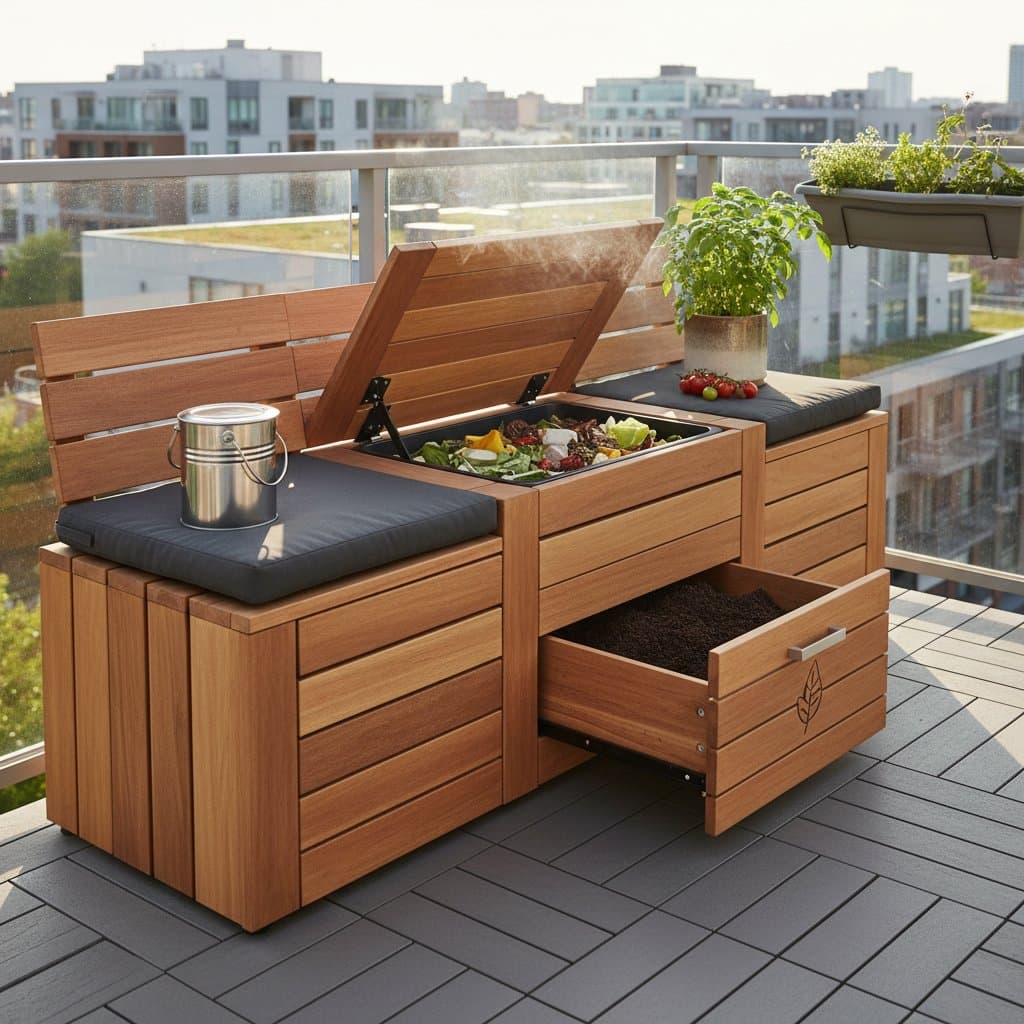
Urban dwellers often face limited space for gardening and waste reduction. A deck bench composter addresses both challenges by integrating a composting system into functional outdoor furniture. This design allows you to process organic scraps directly on your deck or balcony, producing nutrient-dense soil for container plants while providing a sturdy seat for relaxation.

Composting in this manner minimizes trips to larger bins and keeps waste management convenient. The process relies on natural decomposition, accelerated by proper aeration and material balance. With basic woodworking skills, you can assemble one in a single afternoon, yielding benefits for your garden and the environment.

Materials and Tools Required

Gather these essentials before starting construction:

  • Pressure-treated lumber: 2x4 boards for the frame (eight feet total), 1x6 planks for seating and sides (ten feet total).
  • Plastic storage bin: 18-gallon size with lid, for the compost chamber.
  • Hardware: Hinges (two heavy-duty), latch, screws (exterior-grade, 2-inch and 3-inch), mesh screening (fine wire).
  • Sealant: Water-based wood protector for exterior surfaces.
  • Tools: Drill with bits (1/8-inch for holes), saw (circular or hand), measuring tape, sandpaper, brush.

These items ensure durability against weather exposure. Opt for untreated wood inside the compost area to avoid chemical contamination.

Step-by-Step Building Guide

Follow these steps to construct a bench approximately 4 feet long, 18 inches deep, and 18 inches high, suitable for two people.

1. Build the Frame

Cut four 2x4 boards to 18 inches for the legs and four to 24 inches for the base and top supports. Assemble two rectangular frames: one for the base (using 18-inch legs and 24-inch crossbars) and one for the seat height (adding legs). Secure joints with 3-inch screws, pre-drilling to prevent splitting. Stand the frames upright and connect them with 2x4 braces along the sides, creating a box-like structure elevated 4 inches off the ground for airflow.

Sand all edges smooth. This sturdy frame supports weight while enclosing the compost area securely.

2. Create the Compost Chamber

Position a plastic tub or bin inside the lower frame, centering it to leave 2 inches of space on all sides. Drill drainage holes 1 inch apart along the bottom and lower sides, spacing them evenly for uniform flow. Cover each hole with a patch of fine mesh, secured with adhesive or small staples, to block pests while permitting air and water passage.

Elevate the bin slightly on wooden spacers if needed, ensuring at least 2 inches of clearance underneath. This setup promotes aerobic decomposition and prevents stagnation.

3. Install the Lid

Cut a 1x6 plank to fit the top frame, creating a hinged lid for easy access. Attach two heavy-duty hinges along the back edge with 2-inch screws. Install a simple latch on the front for secure closure during use as a bench.

Select slow-close hinges if children or pets frequent the area, reducing the risk of injury from sudden snaps. Test the lid for smooth operation before proceeding.

4. Add Airflow Features

Drill 2 to 3 ventilation holes (1/2-inch diameter) near the top of each side panel, positioned 6 inches below the seat level. Cap these with mesh screens or purpose-built vent covers to maintain breathability without inviting insects.

These openings supply oxygen to the compost pile, preventing anaerobic conditions that lead to odors. Position the bench in a spot with gentle air circulation, away from direct stove exhaust if on a balcony.

5. Treat and Seal the Wood

Apply a brush-on sealant to all exterior surfaces, including legs, sides, and the lid underside. Work in thin coats, allowing each to dry per manufacturer instructions, typically 24 hours. Skip the interior compost chamber to preserve microbial health.

Once fully cured, the bench resists rain and sun damage. Wipe away any drips immediately to avoid uneven protection.

Safety Considerations

Maintain a moist but not soggy compost environment to deter mold growth. Always wash hands thoroughly after adding scraps or stirring the pile. Exclude meat, dairy products, and greasy items from the mix, as they draw rodents and insects.

During winter, position the bench near a sheltered wall to shield it from extreme cold. If incorporating worms for vermicomposting, provide shade to regulate temperature and prevent stress to the organisms.

These practices ensure hygienic operation and protect users from potential hazards.

Common Issues and Solutions

Odors often signal imbalance; counteract sour smells by incorporating dry carbon sources such as leaves or shredded newspaper. For fruit flies, bury new additions under a layer of soil or brown materials immediately.

If decomposition lags, reduce scrap size to 1-inch pieces, increasing exposure to air and microbes. Address water accumulation by adding more drainage holes or layering in absorbent wood chips at the base.

Most problems stem from moisture excess or oxygen deficiency. Routine monitoring and minor tweaks resolve them efficiently.

Cost and Time Estimates

Materials typically cost $120 to $200, varying with lumber quality and hardware choices. A solo builder with basic tools completes assembly in four hours. Purchasing a ready-made compost insert adds $40 but simplifies waterproofing.

Budget-friendly alternatives include sourcing untreated reclaimed wood from local suppliers and substituting PVC pipe sections for vent caps. Collaborate with neighbors on shared purchases like sealant to lower expenses.

Prioritize robust bin liners and secure fasteners, as they endure constant exposure and handling.

Ongoing Maintenance

Inspect the compost weekly, using a hand trowel to aerate the contents and distribute materials evenly. Balance inputs with equal volumes of greens (vegetable peels, coffee grounds) and browns (cardboard, dry leaves) to foster steady breakdown.

After 8 to 12 weeks, mature compost appears earthy and uniform. Harvest by removing the bottom layer through the access door, retaining some unfinished material to inoculate the next cycle. Rinse the bin annually with mild soap solution, drying thoroughly before reuse.

During inspections, check hardware for wear; replace corroded screws or lubricate hinges to maintain functionality.

Maximizing Utility

Beyond composting, repurpose the bench for organized storage once the system stabilizes. Dedicate a dry compartment for essentials like pruning shears and work gloves. Keep a container of prepared brown materials handy for prompt additions.

Incorporate a slide-out tray to isolate tools from the compost zone, preserving cleanliness. This versatility enhances deck organization without sacrificing green practices.

Professional Assistance

Seek a carpenter if base wood shows rot or the structure wobbles under load; reinforcements may involve new framing or elevated footings. For persistent pest issues despite adjustments, consult an exterminator to identify and seal hidden access points.

Early intervention preserves the bench's longevity and safety.

Applying Your Compost

Apply harvested soil to balcony planters or raised beds, mixing it into potting soil at a 1:3 ratio for optimal nutrition. Observe improved growth in herbs, tomatoes, or flowers as roots access the enhanced medium. This cycle sustains your urban oasis, turning waste into a resource for vibrant greenery.

You Might Also Like

Solar Shade Sails Cut Cooling Costs and Power Deck Lights

Pergola Pods Turn Rainy Rooftops Into Year-Round Dining

Rooftop Wind Turbines Power Deck Lights Year-Round

Pergola Pods Turn Backyards Into Year-Round Rooms

Permeable Pavers Stop Deck Rot and Puddles for Good

Tagged:

outdoor,furniture,sustainable,sustainable decking,decking,composting,waste,zero,composting-furniture,zero-waste-outdoor

Recent by Anne Marion

Image for Solar Shade Sails Cut Cooling Costs and Power Deck Lights

Solar Shade Sails Cut Cooling Costs and Power Deck Lights

Apr 26, 2026
Image for Create a Balcony Pond in 18 Inches or Less

Create a Balcony Pond in 18 Inches or Less

Apr 26, 2026
Image for Shape Your Balcony Into a Year-Round Retreat

Shape Your Balcony Into a Year-Round Retreat

Apr 25, 2026
Image for Dual Panels Cut Deck Noise 60% While Dividing Space

Dual Panels Cut Deck Noise 60% While Dividing Space

Apr 25, 2026
Image for Pergola Pods Turn Rainy Rooftops Into Year-Round Dining

Pergola Pods Turn Rainy Rooftops Into Year-Round Dining

Apr 24, 2026

outdoor

Image for Solar Shade Sails Cut Cooling Costs and Power Deck Lights

Solar Shade Sails Cut Cooling Costs and Power Deck Lights

Apr 26, 2026
Image for Pergola Pods Turn Rainy Rooftops Into Year-Round Dining

Pergola Pods Turn Rainy Rooftops Into Year-Round Dining

Apr 24, 2026
Image for Pergola Pods Turn Backyards Into Year-Round Rooms

Deck Construction & Remodeling

Solar Shade Sails Cut Cooling Costs and Power Deck Lights

Elevate your deck with solar shade sails that offer shade and produce clean energy for lights and devices. This guide covers planning, setup, and upkeep to achieve comfort, savings, and eco-friendly design in a single weekend endeavor.

Apr 26, 2026

Dual Panels Cut Deck Noise 60% While Dividing Space

Convert a noisy, open city deck into a peaceful, private haven using dual sound-blocking panels. These innovative screens diminish noise levels by up to 60 percent, delineate functional zones elegantly, and install with simple tools. Discover selection, installation, and upkeep strategies to boost outdoor comfort, seclusion, and contemporary design appeal.

Apr 25, 2026

Grow Fresh Herbs Right on Your Deck Railing

Elevate your deck with a railing herb garden that maximizes space and brings fresh greenery to outdoor areas. This guide details selecting suitable herbs, setting up secure planters, and providing ongoing care for year-round vitality. Explore essential tools, installation techniques, safety measures, and maintenance strategies to harvest aromatic herbs conveniently.

Categories

Deck Construction & Remodeling(243)
Balcony Design(207)
Rooftop Decks(86)
Small-Space Gardens(86)
Backyard Design(22)

Pergola Pods Turn Backyards Into Year-Round Rooms

Apr 18, 2026
Image for Why Shade Sails Drop Deck Temps 20 Degrees

Why Shade Sails Drop Deck Temps 20 Degrees

Apr 5, 2026
Image for Shade Sails Drop Rooftop Temps 20 Degrees Fast

Shade Sails Drop Rooftop Temps 20 Degrees Fast

Mar 31, 2026
Apr 24, 2026

Solar Deck Pavers Turn Sunlight Into Home Power

Transform your deck into a renewable energy hub using solar deck pavers, robust tiles that capture sunlight to generate electricity. Discover strategies to lower energy costs, integrate them aesthetically into your landscape, and install them securely with basic tools for reliable, minimal-upkeep power production.

Apr 23, 2026

Mirror Tricks That Make Small Decks Feel Twice as Big

Turn a compact deck into an expansive outdoor haven with strategic mirror placements. This comprehensive guide covers mirror selection, durable outdoor materials, secure installation techniques, essential safety measures, and cost-effective strategies to amplify your deck's visual depth and brightness.

Apr 23, 2026

Retractable Shade Sails for Flexible Urban Deck Comfort

Elevate your urban deck using retractable shade sails that offer customizable shade, contemporary aesthetics, and effortless usability. This comprehensive guide explains material choices, anchor planning, safe installation methods, essential tools, cost estimates, upkeep routines, and expert advice to foster a shaded, welcoming outdoor area throughout the year.

Apr 22, 2026

Acoustic Panels Cut Deck Noise By Half Without Walls

Frustrated by intrusive sounds from neighbors disrupting your deck relaxation? This guide details how to deploy outdoor acoustic panels and privacy screens to cultivate tranquility. It includes comprehensive advice on selecting materials, performing installations, ensuring safety, and conducting upkeep to diminish disturbances and refine your deck's appeal and usability.

Apr 21, 2026

Solar Shade Sails Generate Power While Cooling Decks

Convert your urban deck into a cool, energy-generating haven with solar shade sails. These innovative structures offer shade for comfort and photovoltaic panels for clean power, maximizing small spaces. Explore selection criteria, safe installation methods, and upkeep routines to lower costs, beat the heat, and foster sustainable outdoor enjoyment.

Apr 20, 2026

Self-Watering Rail Planters Cut Watering Time in Half

Elevate your deck with self-watering rail planters that provide consistent moisture, reduce watering frequency, and simplify outdoor care. This guide covers installation, maintenance tips, and seasonal strategies to maintain a thriving, space-saving garden year-round.

Apr 20, 2026

Pergola Pods Turn Backyards Into Year-Round Rooms

Pergola pods revolutionize outdoor living by merging the openness of fresh air with reliable protection from the elements. Equipped with adjustable roofs, durable materials, and integrated smart features, these structures offer versatile areas for dining, relaxation, or remote work. This guide explains their rising popularity and provides practical advice on designing, constructing, and maintaining your own durable outdoor haven.

Apr 18, 2026

Solar Pergolas Cut Energy Bills While Shading Your Deck

Transform your deck into a sustainable retreat using a solar pergola. This comprehensive guide details the design process, construction methods, and upkeep strategies for a structure that harnesses solar power, decreases energy expenses, and improves outdoor living. Delve into material selections, step-by-step installation guidance, safety considerations, and financial planning for an elegant, eco-friendly enhancement to your yard.

Apr 17, 2026

Permeable Pavers Stop Deck Rot and Puddles for Good

Frustrated by persistent puddles on your deck? Permeable pavers provide an effective, environmentally conscious solution to drainage challenges, preserving your deck's integrity and reducing environmental impact. This guide covers material selection, precise installation techniques, ongoing maintenance, and tips for seasonal durability, slip resistance, and year-round comfort.

Apr 17, 2026

Gravel Gardens Replace Lawn Care Around Decks

Gravel gardens offer a sleek replacement for traditional lawns around decks in 2026. These stone-based landscapes require minimal water and upkeep while providing excellent drainage and year-round beauty. This guide details planning, installation, and maintenance to create an effortless, sustainable outdoor area suited to city environments.

Apr 16, 2026

Deck Benches That Water Your Plants While You Sit

Elevate limited deck space with a multifunctional bench that conceals a water reservoir for automatic plant irrigation. This comprehensive DIY guide covers construction, customization, and maintenance to create a serene, low-maintenance outdoor haven.

Apr 15, 2026

Cut Deck Heat 40 Degrees with Reflective Coatings

Convert your overheated deck into a comfortable oasis using reflective coatings that reflect sunlight and drop temperatures by up to 40 degrees. Explore detailed guidance on tools, safe application methods, upkeep strategies, and cost-effective options to maximize your outdoor enjoyment.

Apr 14, 2026

Mushroom Decks That Compost After Years of Use

Mycelium decking revolutionizes eco-conscious outdoor design with durable, compostable panels grown from fungal roots and agricultural waste. This guide details production, care, budgeting, and the profound environmental gains, paving the way for zero-waste living spaces.

Apr 13, 2026

Solar Retractable Roofs Generate Power While You Relax

Elevate your deck with a solar retractable roof that delivers on-demand shade, generates renewable energy, and reduces utility bills. This guide covers planning, key components, installation insights, and maintenance strategies for sustainable outdoor living.

Apr 13, 2026

Why Shade Sails Drop Deck Temps 20 Degrees

In 2026, shade sails emerge as a transformative solution for outdoor comfort. These tensioned fabric structures decrease deck surface temperatures by as much as 20 degrees Fahrenheit, safeguard materials from UV damage, and promote relaxation without relying on energy-intensive methods. This guide covers selection criteria, installation procedures, and upkeep practices to deliver elegant, eco-friendly shading that elevates urban decks into inviting havens.

Apr 5, 2026

Cut Urban Deck Noise with Acoustic Panels

Convert your bustling urban deck into a tranquil haven using acoustic panels. This guide details the mechanics of sound absorption, essential tools for setup, precise installation procedures, ongoing care practices, expense breakdowns, and seasonal upkeep strategies to sustain a serene, inviting, and aesthetically pleasing environment throughout the year.

Apr 1, 2026

Mushroom-Based Deck Tiles Cut Carbon and Maintenance

Mycelium deck tiles, derived from fungal roots, redefine urban outdoor living. These lightweight, eco-degradable, and insulating options enable simple DIY setup and reduced upkeep. Delve into their green advantages, precise installation process, and care strategies for an earth-friendly deck that enhances comfort and sustainability.

Mar 22, 2026