
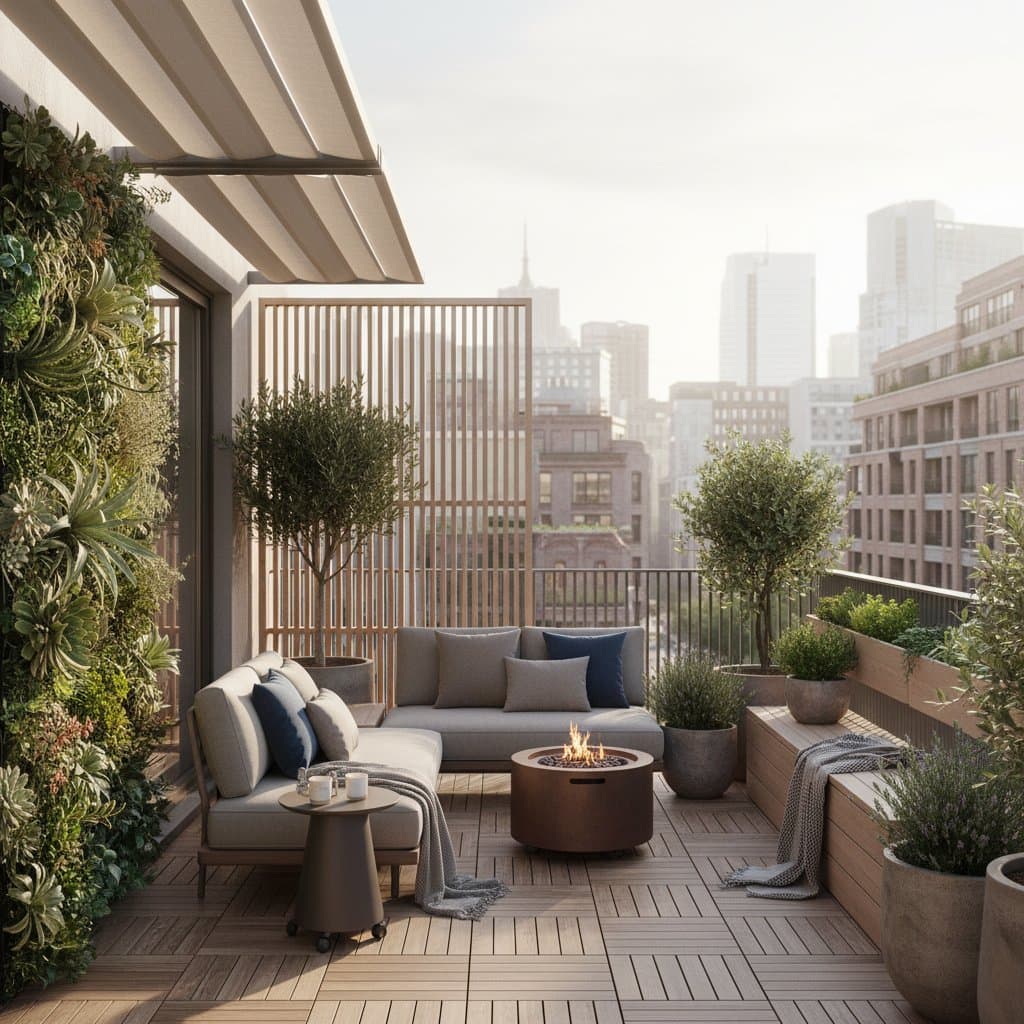
Design Balconies for All-Season Comfort with Microclimates
Urban balconies offer precious outdoor space, yet many remain underutilized due to seasonal discomforts like harsh winds, intense sun, or chilling temperatures. By understanding and manipulating the balcony's microclimate—the localized weather patterns influenced by surrounding buildings, orientation, and exposure—you can create a welcoming retreat that invites relaxation throughout the year. This approach focuses on subtle adjustments rather than costly overhauls, allowing you to enjoy fresh air and natural light without compromise.
The key lies in observing how sun paths, wind flows, and temperature fluctuations affect your space. For instance, south-facing balconies in northern climates receive abundant winter sun, ideal for passive warming, while east-west orientations may demand more shade during peak summer hours. With targeted design elements, you can mitigate extremes, extend usability, and enhance the balcony's role as an extension of your living area.
Understanding Your Balcony's Microclimate
Begin by mapping your balcony's environmental dynamics to inform every decision. Spend a few days noting daily patterns: track sunlight hours using a simple sun chart or app, measure wind speed and direction with an anemometer or by observing leaf movement, and log temperature variations at morning, midday, and evening.
Identify hot spots and cold zones. A corner shielded by a building wall might stay warmer in winter, while an exposed railing could channel gusts. Consider reflections from glass facades that amplify heat or shade from overhanging trees that cools effectively. This assessment reveals opportunities, such as positioning seating to capture morning sun or erecting barriers to deflect afternoon breezes.
Factor in urban specifics like noise and pollution, which microclimate tweaks can indirectly address through dense plantings that act as natural filters. Once mapped, prioritize interventions that align with your lifestyle—whether solitary reading or casual entertaining.
Essential Design Principles for Comfort
Effective balcony design balances light, air movement, and thermal control. Start with solar orientation: orient movable elements like loungers toward low-angle winter sun for natural heating, and introduce overhangs or sails to block high summer rays, reducing surface temperatures by up to 20 degrees Fahrenheit.
Address wind through layered defenses. Low-level barriers, such as raised planters filled with evergreens, slow ground-level drafts without obstructing views, while higher screens diffuse stronger upper winds. For temperature regulation, incorporate thermal mass materials like stone tiles that absorb daytime heat and release it slowly at night.
Incorporate adaptability as a core principle. Select elements that shift with seasons—retractable shades for variable light, stackable stools for flexible arrangements, and modular planters that relocate to follow optimal conditions. These choices ensure the space evolves, maintaining comfort as weather shifts.
Tools and Materials
Gather straightforward tools to assess and implement changes without specialized skills. A tape measure helps quantify dimensions for custom fits, while a compass or smartphone app determines cardinal directions to predict sun arcs accurately.
For physical modifications, opt for durable, weather-resistant materials. Fabric or mesh panels serve as lightweight windbreaks or privacy screens, easily attached with clips or grommets. Pots and trough planters, made from fiberglass or recycled plastic, provide mobile greenery that doubles as barriers.
Enhance the floor with outdoor rugs or interlocking decking tiles that insulate against cold concrete and add traction. Choose lightweight, modular furniture such as aluminum-framed chairs and tables that rearrange effortlessly. A basic thermometer monitors microclimate effectiveness over time.
Consider optional enhancements for greater control. A retractable awning adjusts shade precisely, while a trellis supporting climbing vines offers organic wind diffusion. Install energy-efficient LED string lights to extend evening usability, ensuring all components withstand moisture and UV exposure to avoid premature wear.
Safety Considerations
Prioritize structural integrity and personal protection in every modification. Consult your building's guidelines or a professional to verify weight limits before placing heavy items like filled planters or tiled surfaces, typically capping at 50-100 pounds per square foot.
Anchor vertical elements securely using wall-mounted brackets or tension rods to resist wind uplift. For any electrical additions, such as pathway lights or fans, select cords and fixtures certified for outdoor wet locations, and connect to GFCI-protected outlets to prevent shocks.
Maintain clear pathways by positioning rugs and mats with nonslip backing, especially near access doors. Water plants at the base to minimize puddles, and inspect railings regularly for stability. These measures safeguard enjoyment without introducing hazards.
Budgeting and Timeline
Achieve a functional microclimate setup within varied financial scopes, scaling to your resources. A basic configuration—including fabric panels, two portable planters, a weatherproof rug, and stackable seating—costs between 150 and 200 dollars, delivering immediate improvements.
Advance to a midrange option with a manual retractable awning, four modular planters, interlocking composite tiles for insulation, and solar-powered lighting, totaling around 500 dollars. This level introduces more permanence and aesthetic polish.
For premium investments, integrate custom built-in benches with under-seat storage, an automated drip irrigation system for low-maintenance plants, and high-end synthetic decking resistant to fading, exceeding 1,000 dollars. Focus on quality materials that endure urban conditions.
Timeline aligns with weekend warriors. Dedicate two hours to initial observation and planning, sketching layouts based on your microclimate map. Allocate one afternoon for installing screens, flooring, and basic furnishings, followed by a half-day for planting and accessorizing. Full realization emerges over one dedicated weekend, with refinements as needed.
Optimizing Storage in Compact Spaces
Maximize every inch on small balconies through clever, vertical storage solutions that preserve openness. Mount slim shelves or pegboards on walls to hold lightweight gardening tools, spare ties, and seasonal accessories, keeping the floor clear for movement.
Employ multifunctional pieces like a sealed deck box that stores cushions and doubles as extra seating during gatherings. Suspend foldable chairs or stools from sturdy hooks when idle, freeing floor space for plants or rugs.
Organize systematically: label bins for quick access to items like pruning shears or fabric clips, and reserve a compact toolkit for upkeep, including weatherproof tape and spare parts. This system streamlines maintenance, ensuring the retreat remains inviting year-round.
Implementing Your Plan
Launch with observation: over one week, document your balcony's patterns in a notebook, noting comfortable zones and pain points like drafty corners or overly sunny exposures. Select a single, high-impact change—perhaps a temporary windbreak or lighter-colored flooring to reflect heat—for quick wins that build momentum.
Proceed iteratively: after the first adjustment, reassess and layer in elements like shade solutions or plantings. Test arrangements during different weather to refine positioning. This phased approach minimizes overwhelm while yielding progressive enhancements.
Sustain the space through seasonal reviews. In spring, refresh plantings with heat-tolerant varieties; in fall, add insulating layers. Regular tweaks keep the microclimate optimized, turning your balcony into a reliable sanctuary that boosts well-being and connects you to nature amid city life.