
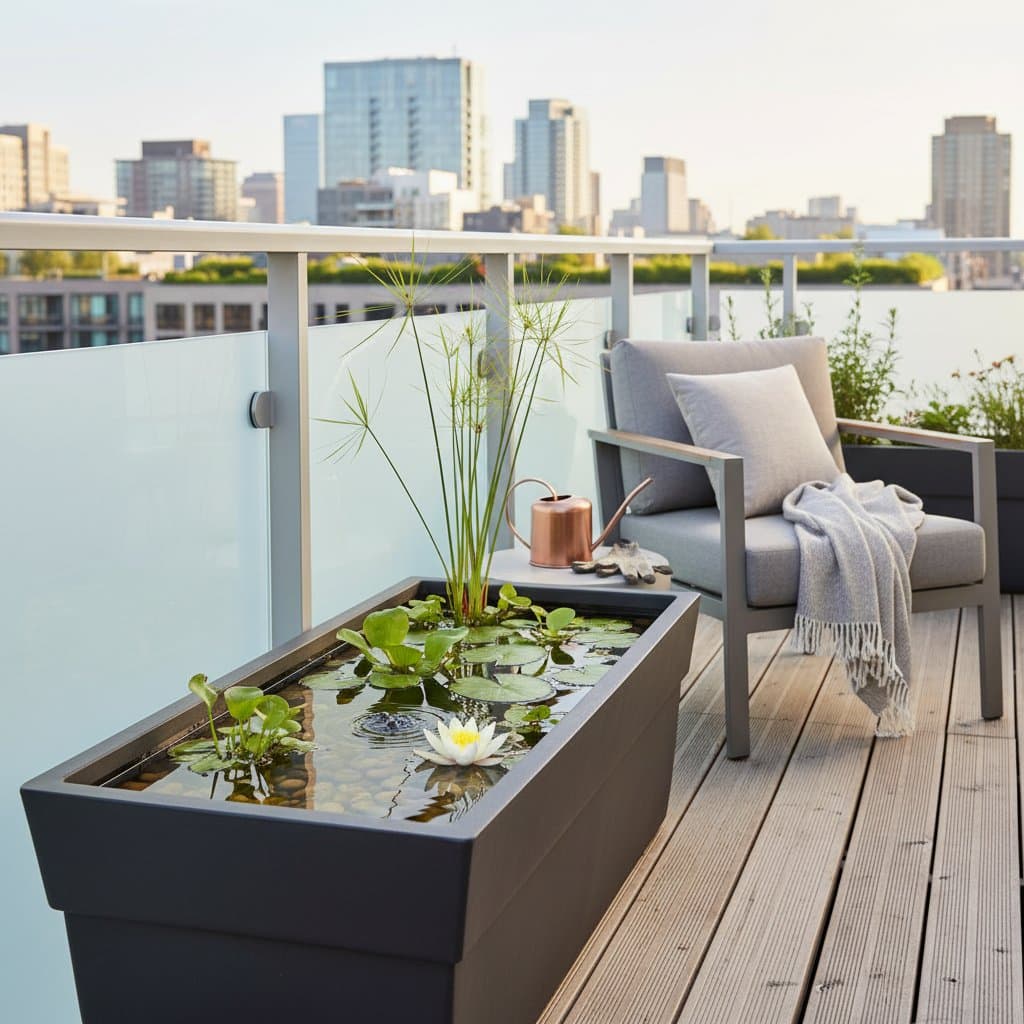
5. Introduce Fish (Optional Step)
Consider adding fish only after the pond water has stabilized for at least two days. This period allows chlorine to dissipate and temperatures to even out. Select hardy species suited to small volumes, such as guppies, mosquito fish, or dwarf gouramis, limiting the number to one small fish for every 3 gallons of water to prevent overcrowding and stress.
Before release, float the sealed bag containing the fish on the pond surface for 15 to 20 minutes. This acclimation equalizes water temperatures and reduces shock. Gently net the fish into the pond, avoiding direct pouring to minimize disturbance to the ecosystem.
Monitor the fish closely in the first week. Feed sparingly with high-quality flakes or pellets, removing any uneaten portions within five minutes to maintain water quality.
6. Final Adjustments and Initial Observation
Fill the pond to within one inch of the rim, ensuring even distribution around plants and gravel. Reposition plants if needed, spacing them 2 to 4 inches apart to allow for growth and air circulation.
Step back and observe the setup from various angles. Notice how sunlight filters through leaves and dances on the water surface, creating dynamic patterns. Over the next few days, beneficial insects like dragonflies may appear, signaling a balanced habitat, while plants settle and root more firmly.
Document changes with photos to track progress. This record helps identify patterns in light exposure or water levels for future refinements.
Essential Safety Considerations
Balcony ponds require careful planning to mitigate risks associated with water weight and accessibility.
- Managing Water Weight: Calculate the total load, including container, water, soil, plants, and gravel, and ensure it stays below 150 pounds. Distribute weight evenly across load-bearing surfaces, and consult your building manager for balcony specifications if unsure.
- Protecting Children: Supervise young children at all times near the pond. Install a removable mesh cover or barrier for added security, as even 6 inches of water poses a drowning hazard.
- Electrical Precautions: Position any pumps or lights away from edges, especially on rain-exposed balconies. Use outdoor-rated, grounded extensions and install ground fault circuit interrupters to prevent shocks.
- Preventing Mosquitoes: Incorporate circulation with fish, which eat larvae, or install a solar-powered bubbler for gentle movement. For fish-free setups, use pond-safe mosquito dunks containing bacteria that target larvae without harming plants or wildlife.
Regular inspections reinforce these measures, promoting a safe environment for all.
Common Issues and Solutions
Anticipate potential challenges in small-scale water features and address them promptly to sustain clarity and health.
Cloudy Water: Debris from un-rinsed gravel or stirred sediment often causes haze. Allow 24 to 48 hours for natural settling, then use a fine-mesh net to skim surface particles. If persistent, add a clarifying agent designed for aquariums, following dosage instructions based on your pond volume.
Algae Overgrowth: Excess direct sunlight or nutrient buildup from decaying matter fuels blooms. Relocate the pond to partial shade, aiming for 4 to 6 hours of morning sun. Introduce floating plants like water lettuce to shade 50 percent of the surface and absorb excess nutrients.
Plants Wilting or Yellowing: Temperature fluctuations outside 65 to 80 degrees Fahrenheit stress aquatic plants. Acquire a floating thermometer for daily checks. Adjust by shading during heatwaves or insulating the container base in cooler evenings; repot affected plants in fresh aquatic soil if roots show rot.
Fish Gasping or Lethargic: Insufficient oxygen from stagnation or waste accumulation signals distress. Perform a partial water change, replacing one-third with dechlorinated water at matching temperature. Increase aeration with a small air stone if needed, and reduce feeding to every other day.
Leaks in the Container: Inspect for cracks in seams or punctures in liners after setup. Dry the affected area thoroughly, apply a flexible, waterproof sealant like silicone aquarium glue, and allow 24 hours to cure before refilling.
Cost Breakdown and Time Investment
Assembling a compact balcony pond typically ranges from 60 to 120 dollars, varying with material quality and sourcing.
- Container: 25 to 60 dollars for a sturdy ceramic, fiberglass, or preformed plastic basin measuring 18 to 24 inches in diameter.
- Plants: 20 to 30 dollars for a mix of marginals like dwarf papyrus and floaters such as duckweed.
- Gravel and Decorative Stones: 10 dollars for 5 to 10 pounds of washed pea gravel and river rocks.
- Water Conditioner and Accessories: 10 to 20 dollars for dechlorinator, net, and basic tools.
Initial setup demands about two hours, including sealing and planting, plus overnight drying for any applied sealants. Ongoing weekly maintenance involves 10 to 15 minutes for water checks and debris removal.
Budget-Friendly Alternatives:
- Repurpose an old ceramic planter or whiskey barrel half, ensuring it holds water after sealing.
- Source plants through local gardening swaps or community groups to cut costs.
- Opt for a plant-only pond to eliminate fish care expenses and simplify routines.
Prioritize durable materials over savings; a subpar container risks leaks that could harm balcony integrity or require costly repairs.
Ongoing Maintenance Routines
Consistency keeps a small pond thriving with minimal effort, focusing on balance and prevention.
Weekly Responsibilities:
- Replenish evaporated water using rainwater or conditioned tap water to maintain levels.
- Gently skim fallen leaves, pollen, or insects from the surface with a leaf skimmer or soft cloth.
- Assess water clarity and plant vitality, noting any discoloration or drooping for early intervention.
Monthly Deep Cleans:
- Siphon or scoop out one-third of the water volume, replacing it with fresh, treated water to dilute toxins.
- Clean container interiors by wiping with a algae brush and mild hydrogen peroxide solution, avoiding harsh chemicals.
- Prune faded foliage and spent blooms to encourage new growth and prevent decay.
Seasonal Adjustments:
- Before winter, relocate fish to an indoor aquarium if temperatures fall below 50 degrees Fahrenheit; hardy varieties like goldfish can overwinter in deeper setups.
- Transition tropical plants to indoor spots with bright, indirect light, keeping roots moist in a tray of shallow water.
- Annually drain, scrub, and rinse the pond in spring to remove accumulated sludge, then refill gradually.
These routines foster a resilient ecosystem, reducing long-term issues.
Efficient Storage Solutions
Organize supplies for quick access, streamlining care and troubleshooting.
Maintain a dedicated, weatherproof bin positioned near the balcony door. Stock it with essentials such as a fine aquarium net, digital thermometer, bottle of dechlorinator, spare sealant patches, and a small bag of replacement gravel.
Label compartments clearly: one for tools, another for chemicals, and a third for spares. This setup enables rapid responses to evaporation, temperature shifts, or minor repairs, preventing small problems from escalating.
Review bin contents quarterly, discarding expired items and restocking as needed.
Indicators for Professional Assistance
While most balcony ponds manage with basic care, certain signs warrant expert input to avoid structural or safety concerns.
Seek a landscaper or balcony specialist if you detect cracks in the underlying surface beneath the container, persistent water stains on lower levels, or plans to integrate powered elements like submersible pumps or LED lighting.
Request a professional load assessment, including weight distribution and waterproofing verification, prior to expansions. They can evaluate balcony reinforcements and recommend reinforcements if the setup exceeds standard limits.
Early consultation ensures longevity and compliance with urban regulations.
Building and Enjoying Your Oasis
Embrace incremental care to cultivate a balcony pond that enhances daily life. Begin with core elements, monitor responses from plants and water, and refine based on seasonal cues.
Enhance ambiance with a quiet solar fountain positioned among stems for subtle sound. Introduce seasonal accents, like scattering water lily pads or herb clippings, to personalize for events.
This compact water garden lowers ambient temperatures, softens urban noise, and draws pollinators, transforming your balcony into an inviting sanctuary that greets you with tranquility upon entry.