
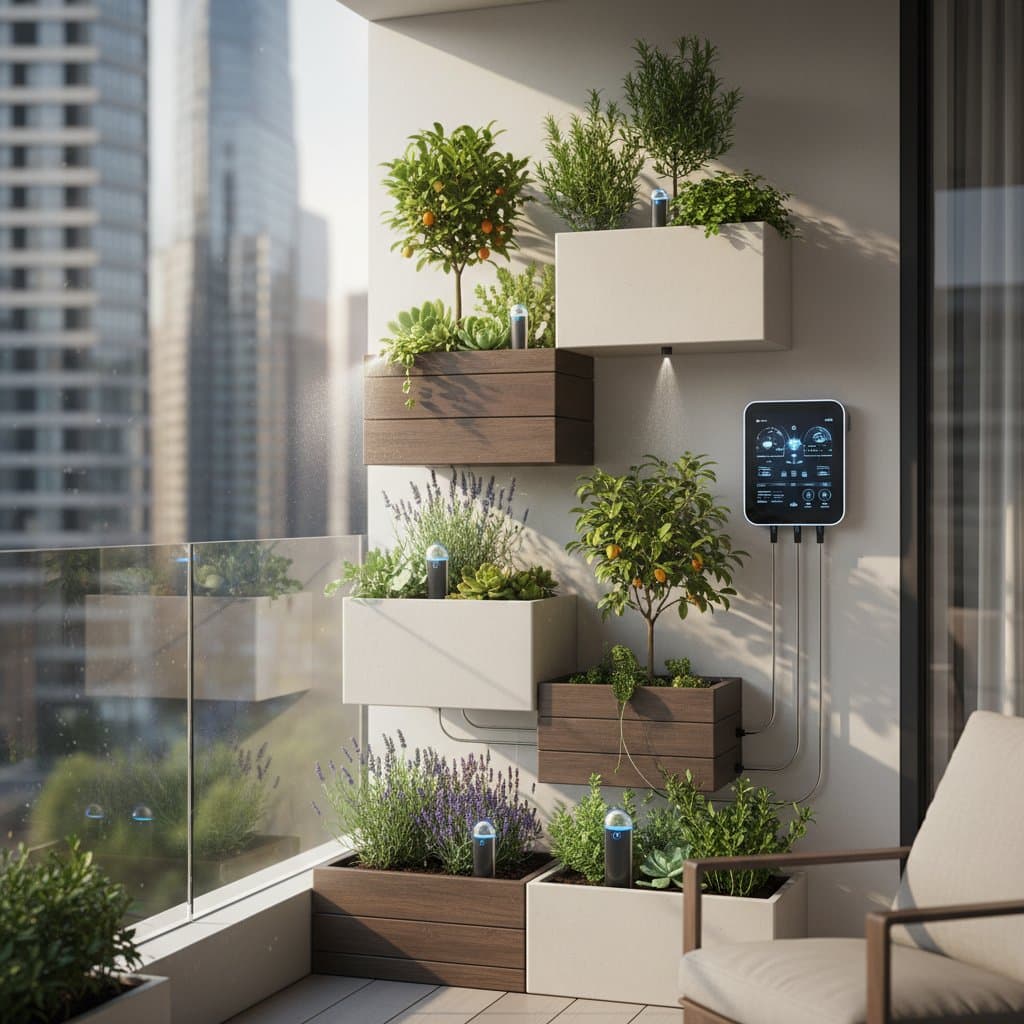
AI Watering Systems: Streamline Your Small Garden Care
Urban gardeners often face challenges with inconsistent watering schedules, especially in compact spaces like balconies or courtyards. AI-powered watering systems address these issues by using sensors, data analytics, and automation to deliver precise irrigation. These tools reduce manual effort, conserve water, and promote healthier plants with minimal intervention.
This guide outlines the setup process for a basic AI irrigation system tailored to small gardens. Expect to invest a few hours initially, followed by hands-off operation that halves your routine maintenance time. The result is thriving greenery backed by technology that adapts to your specific conditions.
Step 1: Select Your Components
Begin by assessing your garden's layout and plant needs. Choose a system with soil moisture sensors, a central controller hub, and drip emitters suited for pots or raised beds. Popular options include starter kits from brands like Rachio or Orbit, which integrate AI for weather-based adjustments.
Purchase at least two sensors for multi-zone monitoring, a hub compatible with your smartphone, and tubing long enough to reach all areas. Verify that the system supports local weather data integration to automate responses to rain or heat. This foundational choice ensures compatibility and scalability.
Step 2: Gather Tools and Prepare the Site
Assemble basic tools such as a trowel, scissors, and a measuring tape. Clear the garden area of debris and map out zones based on plant types, such as vegetables in one section and herbs in another. Test water pressure from your outdoor faucet to confirm it meets the system's requirements, typically 20 to 40 PSI.
Position the controller hub in a sheltered spot near power and Wi-Fi access. Lay out tubing routes to avoid tripping hazards or exposure to direct sun, which can degrade materials over time. Preparation at this stage prevents complications during installation.
Step 3: Install the Hardware
Connect the drip tubing to your water source using a pressure regulator and filter to protect components from debris. Bury or stake tubing along plant bases, securing it with landscape pins. Insert emitters directly into the soil near roots, spacing them 6 to 12 inches apart depending on pot size.
Place soil sensors 4 to 6 inches deep in representative spots within each zone. Avoid rocky areas or spots prone to water pooling. Secure the hub and connect sensors via provided cables, ensuring all connections are tight and weatherproof.
Step 4: Power Up and Connect
Plug the hub into a grounded outdoor outlet and pair it with your home Wi-Fi network using the manufacturer's app. Download the app on your smartphone and follow prompts to register the device. Enable location services for accurate weather data, which the AI uses to predict evaporation rates.
Test initial connectivity by sending a command to activate a valve. If the app confirms the signal, proceed to configuration. This step verifies that the system communicates reliably before full activation.
Step 5: Configure Watering Settings
Open the app and label each zone according to plant type, such as tomatoes or succulents. The AI analyzes sensor data alongside weather forecasts to recommend initial watering volumes and frequencies. Override suggestions manually for unique needs, like shade-tolerant plants requiring less moisture.
Set default thresholds, aiming for soil moisture between 20 and 40 percent for most urban varieties. Save profiles for quick adjustments later. Configuration aligns the system with your garden's diversity from the outset.
Step 6: Test and Observe
Initiate a complete watering cycle through the app to evaluate distribution. Monitor water output in each zone for 10 to 15 minutes, noting any dry spots or overflows. After one hour, probe the soil with your finger; it should retain moisture without saturation.
Adjust emitter flow rates if unevenness appears, using built-in regulators on most kits. Repeat the test on a dry day to simulate real conditions. Observation refines performance before relying on automation.
Step 7: Allow the AI to Learn
Permit the system to gather data over one to two weeks, tracking variables like humidity and sunlight exposure. Review app dashboards displaying moisture trends and adjustment logs. Tweak dryness thresholds if plants show stress, such as wilting in drier soils.
The AI refines algorithms during this phase, optimizing schedules for efficiency. Regular checks during learning ensure accurate adaptation to your microclimate.
Safety Considerations
AI watering systems employ low-voltage electronics, yet improper handling risks electrical hazards near water. Position all powered components at least 12 inches above ground and enclose them in waterproof housings. Select extension cords rated for outdoor use with GFCI protection.
Inspect for leaks prior to energizing the setup, and adhere to depth guidelines for buried elements, typically no more than 6 inches. Monthly emitter cleaning prevents clogs that could lead to pressure issues or overflows.
Common Troubleshooting Scenarios
Issue: App Displays No Sensor Data
Possible Reason: Interrupted Wi-Fi or depleted batteries.
Resolution: Restart the hub, verify router proximity, and install fresh batteries in sensors.
Issue: Plants Appear Dehydrated Despite Scheduled Watering
Possible Reason: Clogged emitters or insufficient pressure.
Resolution: Remove and clean emitters under running water, then flush the entire line to clear blockages.
Issue: Signs of Excess Moisture, Including Yellowing Foliage or Mold Growth
Possible Reason: Overly sensitive moisture settings.
Resolution: Reduce the target moisture level in the app or reposition sensors deeper in the soil profile.
Issue: Inconsistent Water Delivery Across Containers
Possible Reason: Varied flow rates in the distribution line.
Resolution: Install flow-adjustable emitters or designate separate zones for high- and low-water plants.
Cost and Time Investment
A starter AI watering setup for a small garden typically ranges from $150 to $250. Breakdown includes sensors at $30 to $50 apiece, a hub from $60 to $120, basic drip kits at $25 to $40, and optional weather add-ons for $30 to $60. These investments yield returns through 20 to 30 percent water savings annually.
Allocate two hours for DIY installation in a 100-square-foot space. Professional assistance for initial calibration costs around $100 per session, ideal for complex layouts. Long-term, the system minimizes labor, often recouping expenses in one growing season.
Ongoing Maintenance Practices
Perform monthly checks to sustain system performance. Calibrate sensors by cross-referencing app readings with manual soil tests; recalibrate if discrepancies exceed 10 percent. Clean emitters by soaking in a vinegar solution for 15 minutes to dissolve mineral buildup.
Update the app firmware promptly to leverage new AI features and security patches. Monitor battery indicators and replace units proactively to prevent interruptions. For seasonal shifts, revise plant profiles to accommodate changing needs, such as reduced watering for dormant periods.
Consistent oversight transitions to weekly app reviews once routines stabilize, freeing time for enjoyment rather than chores.
Storage and Optimization Strategies
Organize spare parts like tubing segments and fittings in a dedicated, labeled container for quick access. During winter, relocate sensors indoors to shield them from frost damage. Coil hoses without tight bends and store them horizontally to maintain flexibility.
For potted setups, position drip trays beneath containers to capture excess runoff, safeguarding surfaces and enabling water recycling. Integrate a compact pump to redirect collected water for ornamental uses, further enhancing sustainability.
Professional Assistance Indicators
Seek expert help if connectivity fails post-update or if sparks or moisture appear near electrical points; involve a certified electrician for diagnostics. In rooftop or elevated gardens, consult an irrigation specialist to assess load-bearing capacity and drainage paths before full deployment.
When introducing new soil types or plant varieties, professionals can fine-tune sensor placements. Differences in drainage, such as rapid percolation in sandy mediums versus retention in loamy ones, require AI reprogramming for optimal results.
Implementing Your System
Commence with a single sensor in the most demanding container to validate responsiveness. Compare automated alerts against your observations over several days. If alignment proves reliable, expand to additional zones, uncovering insights like hidden overwatering patterns.
Within a month, the integrated setup delivers consistent results, transforming garden care into a streamlined, data-informed routine that maximizes blooms and minimizes effort.