
Introduction
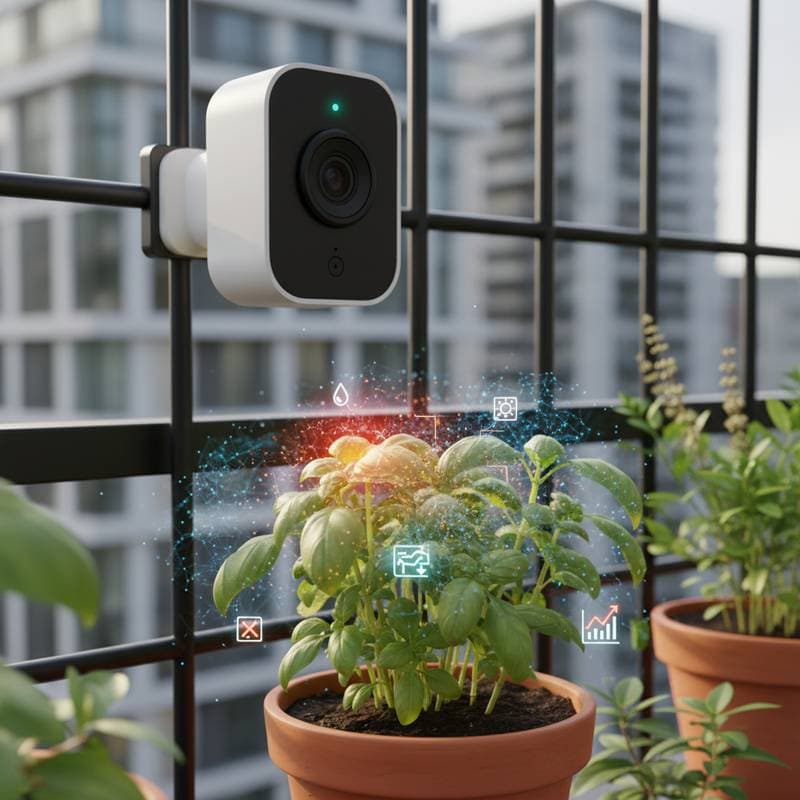
Urban gardening presents unique challenges, from limited space to fluctuating city conditions. AI garden cameras address these issues by providing real-time monitoring of plant health. These devices detect stress signals in light, moisture, and growth patterns long before visible symptoms appear, enabling proactive care that keeps plants vibrant year-round.
Equipped with sensors and artificial intelligence, these cameras analyze data to send alerts via mobile apps. Gardeners receive notifications about suboptimal conditions, such as low humidity or insufficient sunlight. This technology empowers city dwellers to maintain thriving green spaces on balconies, rooftops, or small patios without constant manual checks.
Safety Essentials
Proper setup minimizes risks in outdoor environments. Follow these guidelines to protect your equipment and ensure safe operation.
- Position all electrical plugs in dry, elevated locations away from ground moisture.
- Select extension cords rated for outdoor use and cover connections with weatherproof enclosures.
- Secure camera mounts firmly to withstand wind gusts and prevent falls.
- Unplug the device before any cleaning or adjustments to avoid shocks.
- Place wiring out of reach from pets and children to prevent tampering or accidents.
Implementing these measures not only reduces electrical hazards but also extends the lifespan of your AI garden camera system.
Troubleshooting Common Issues
Smart devices occasionally encounter glitches, but most problems have straightforward solutions. Address issues promptly to maintain reliable monitoring.
Camera Offline
Signal interruptions often stem from weak Wi-Fi. Verify connection strength in the app and reposition your router if necessary. Consider adding a compact Wi-Fi extender for better coverage in remote garden areas.
Blurry Images
Dust or environmental factors can obscure the lens. Gently clean the surface with a soft cloth and inspect for internal condensation. If moisture persists, relocate the unit indoors for several hours to allow drying.
Inaccurate Sensor Readings
Environmental changes may require recalibration. Access the app's settings to reset sensor baselines, ensuring measurements align with current conditions. Test readings against known values, such as soil moisture levels from a manual probe.
Rapid Battery Drain
Frequent recordings accelerate power consumption. Lower the video capture rate in app preferences or integrate a compact solar panel for supplemental charging. This adjustment balances monitoring needs with energy efficiency.
If basic fixes fail, reach out to the manufacturer's support with details of your setup, including photographs. Remote diagnostics often resolve persistent problems quickly.
Investment and Installation Overview
Setting up an AI garden camera typically takes less than one hour for most users. Initial costs vary based on features and capabilities, offering options for different budgets.
- Basic Models: Priced from $90 to $120, these include essential light and moisture sensors for single-plant monitoring.
- Intermediate Options: Ranging $150 to $200, they add AI-driven leaf analysis and temperature sensors for more comprehensive tracking.
- Premium Systems: At $240 to $300, these support multiple plants with 360-degree views and integrated solar power.
Ongoing expenses remain low. Basic data storage comes free for short periods, while extended cloud archiving costs under $10 monthly. Factor in occasional replacements for sensors, which endure one to two seasons of active use.
Ongoing Maintenance Practices
Consistent upkeep guarantees precise data and device durability. Establish a routine to integrate these tasks seamlessly into your gardening schedule.
- Weekly Checks: Clean the lens thoroughly, inspect power sources, and verify that data syncs correctly to the app.
- Monthly Reviews: Recalibrate sensors as needed and archive or delete outdated images to optimize storage.
- Seasonal Inspections: Examine mounting hardware for corrosion and apply waterproof sealant to cable connections.
Sensors that fail to respond accurately should be replaced promptly. Fresh components restore reliability, preventing misguided care decisions based on faulty inputs.
Leveraging Stored Data
AI garden cameras capture detailed records of environmental trends and plant responses. Harness this information to refine your gardening approach over time.
- Analyze monthly growth charts to identify optimal sunlight zones in your space.
- Note temperature correlations with plant performance to select resilient varieties.
- Reposition containers using historical data on light and moisture patterns.
- Download reports into spreadsheets for custom trend analysis and long-term planning.
Sharing insights with community forums or local gardening networks reveals neighborhood-specific patterns, such as urban heat islands or shadow effects from nearby structures.
Professional Assistance Indicators
While DIY solutions handle most concerns, certain symptoms warrant expert intervention. Persistent technical faults may indicate deeper electrical or installation flaws.
Engage a licensed electrician or certified installer if you notice:
- Frequent power interruptions despite stable connections.
- Visible damage like sparks, worn insulation, or rust on components.
- Plans to power several devices from a single outlet, requiring load assessment.
Professionals can verify that all electrical points are grounded and protected against weather. This evaluation safeguards your setup and avoids costly repairs down the line.
The Science Behind Early Detection
Plants exhibit subtle reactions to environmental stressors, often invisible to the naked eye. AI garden cameras quantify these changes through precise metrics, such as light intensity in lux units or soil moisture percentages.
This objective data supports timely interventions that prevent decline. For instance, urban shade from high-rises can reduce photosynthesis without obvious signs. Monitoring tools reveal exact light exposure, guiding adjustments like shifting pots a mere 12 inches to boost illumination by 30 percent.
In practical tests on city balconies, such optimizations have doubled herb production. By replacing intuition with evidence-based actions, gardeners achieve consistent results in challenging conditions.
Implementation Steps
Begin with a targeted approach to build confidence in the system. Select a single camera for initial plants and familiarize yourself with its interface.
Follow this sequence:
-
Initial Observation: Allow 24 hours of uninterrupted recording to establish baseline data.
-
Incremental Adjustments: Modify watering, lighting, or positioning in measured increments to evaluate impacts.
-
Documentation: Log outcomes in the app or a dedicated journal to correlate actions with results.
As proficiency grows, scale up to additional units or complementary tools like automated irrigation. The camera enhances rather than supplants your involvement, honing instincts through informed insights.
Sustaining Urban Greenery
Integrating AI garden cameras transforms constrained city spaces into productive oases. Regular attention to power stability, data utilization, and minor tweaks yields resilient plants that adapt to seasonal shifts.
This synergy of technology and hands-on care fosters deeper connections with nature amid urban hustle. Over time, your garden evolves into a self-optimizing ecosystem, delivering fresh produce and aesthetic joy with minimal effort.