
Adding the Acoustic Core
For stronger sound control, add a middle layer. Mass loaded vinyl sheets that measure one eighth inch thick work well. Recycled rubber mats about one quarter inch thick also perform effectively. Cork board that reaches one half inch thick offers another option.
Attach the core tightly to the panel surface. This layer absorbs low frequency noise that plants alone cannot block.
Creating Planting Pockets
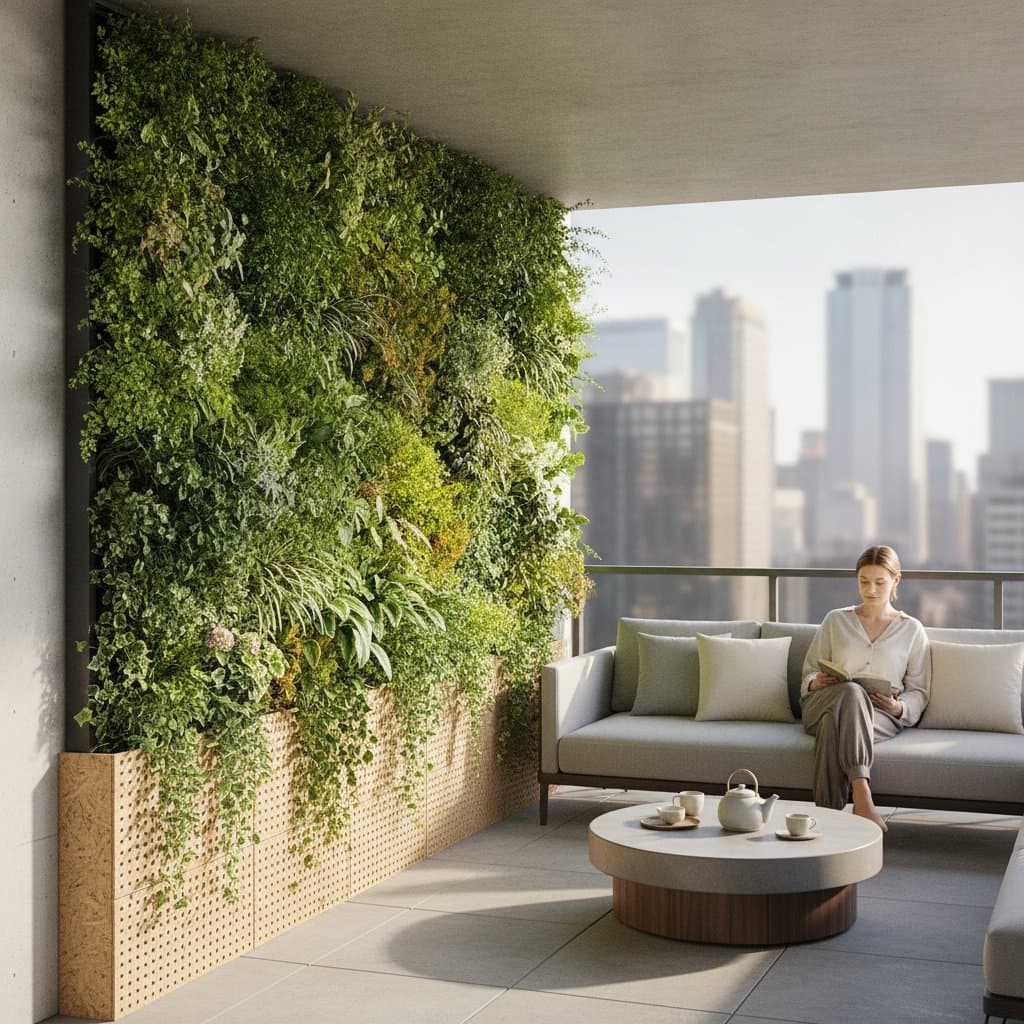
Attach vertical planters, mesh pockets, or modular garden boxes to the wall face. Leave eight to twelve inches between layers for airflow and root growth. Fill each pocket with a lightweight soil mix about six inches deep.
Planting and Watering
Start with base shrubs and then add climbing or spreading plants. Place taller species toward the top to form a canopy effect. Water thoroughly after planting and install a drip line to keep moisture steady without runoff.
Inspecting and Sealing Edges
Check for gaps where sound could slip through, such as corners or around pipes. Fill them with acoustic sealant or flexible foam strips. A continuous barrier works much better than one with small leaks.
Safety Considerations
Check the weight of your wall before attaching it to balconies or roofs. A filled wall can weigh twenty to thirty pounds per square foot. Use corrosion proof anchors if you attach to brick or concrete. Keep electrical lines and gas meters clear by at least twelve inches. Never climb or lean heavy tools against the planted surface.
Common Issues and Fixes
Plants that wilt or dry quickly need adjusted watering frequency or added mulch to hold moisture. Confirm that the drip line reaches upper pockets.
Noise that still seems loud requires measurement of entry points. Gaps near corners or under gates often let sound bypass the wall. Seal those spots with weatherproof strips.
Mold or musty smells call for improved drainage at the base. Add gravel and open weep holes so water does not sit behind panels.
A wall that leans or shifts needs reinforced posts with diagonal bracing or larger footings. Soil movement can loosen supports over time.
Ongoing Care
Inspect your wall twice a season. Trim vines that block airflow or cover watering emitters. Remove dead leaves to prevent pests. Refresh soil in pockets every year to keep plants healthy.
Wipe or hose the panel surface once a month to remove dust that can dull sound absorption. Tighten screws or brackets if you notice rattling in windy conditions.
Storing Materials
Store extra panels flat and dry. Keep leftover sealant in a sealed tube at room temperature. Coil the drip line neatly to avoid kinks. Drain the irrigation system before freezing weather to prevent cracks.
Cost and Schedule
Costs vary by material and size. A do it yourself eight foot section with plants and acoustic core usually runs between two hundred fifty and six hundred dollars. Professional installation can double that if structural support or irrigation is complex.
You can build a small section in a weekend. A full courtyard wall may take two or three weekends depending on curing time for footings and planting density.
Panels and posts cost eighty to one hundred fifty dollars per section. Acoustic core materials run fifty to one hundred twenty dollars. Plants and soil range from sixty to two hundred dollars. Sealant, screws, and hardware add thirty to seventy dollars.
Care Through the Seasons
In spring check for winter damage, loose panels, and dead plants. Replant any bare spots for full coverage.
In summer keep watering consistent especially during dry spells. Trim fast growers like ivy before they block light.
In autumn prune back overgrowth and inspect sealant. Add mulch at the base for insulation.
In winter protect delicate plants with burlap wraps if temperatures drop below freezing. Stop watering once soil stays cold to avoid root rot.
When Professional Help Is Needed
Call a professional if you need to attach the wall to a shared or structural surface. Seek help when the wall height exceeds eight feet. Address major cracks or leaning that suggest foundation issues.
Ask the pro about materials rated for a Sound Transmission Class of thirty or higher. That rating means solid noise reduction suitable for city environments.
Core Benefits
An acoustic garden wall cuts urban noise by about eighty percent when built with solid panels, dense plants, and sealed edges. Height, density, and continuity matter more than thickness alone. A six foot barrier can block most direct noise paths. Choose hardy evergreen species for year round coverage. Regular inspection and pruning keep both sound control and appearance strong.
Starting Your Project
Walk your space and note where traffic or neighbor noise enters. Plan height and materials that fit your budget and structure. Start with one wall segment before expanding. Plant and maintain a mix of sound absorbing greenery. Keep it trimmed and watered for steady results.
A weekend of work and steady care turns a balcony or courtyard from an echo chamber into a quiet retreat. The city will still hum beyond your walls, yet you will feel the calm difference every time you step outside.