
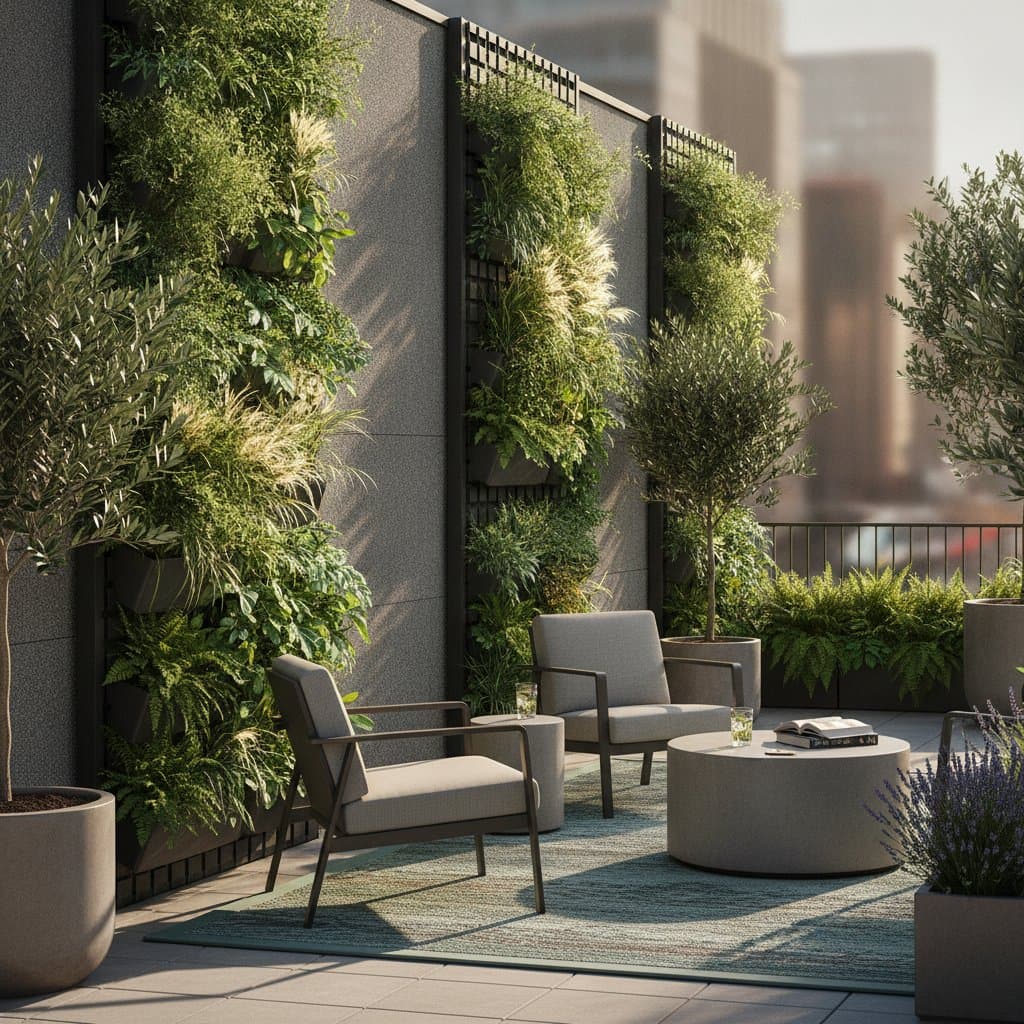
Layering Plants to Block Street Noise on Decks
Urban decks often face constant traffic sounds that disrupt relaxation. Layered plantings combined with simple structures create effective natural barriers that absorb and deflect noise while adding privacy and visual appeal.
Prepare the Planting Area
Clear the chosen section of your deck perimeter. Measure the space to determine how many planters or trellis panels will fit without crowding access points. Select containers with adequate drainage holes and sturdy construction to support soil and mature plants.
Install Support Structures
Position trellis panels against the railing or mount them to fixed posts. Use corrosion resistant screws and check that each joint sits level. This framework provides vertical space for vines to climb and forms the first layer of sound absorption.
Add Soil and Plants
Fill planters with a well draining mix that includes compost for nutrients. Place evergreen shrubs or dense foliage plants at the base. Train fast growing vines such as ivy or clematis up the trellis to create a green screen that softens high frequency sounds.
Cover the Ground
Spread a 2 inch layer of mulch on the soil surface. It quiets footfall, retains moisture, and improves the finished look.
Water and Secure
Water thoroughly until soil is moist but not soggy. Use a drip line or watering can with a slow flow to avoid runoff. Tighten trellis screws and anchor planters if your area is windy.
Safety Tips
- Always wear gloves and goggles when drilling or cutting.
- Avoid climbing or leaning on trellises. They are designed for plants, not people.
- If you use bamboo, install a root barrier or keep it in containers to prevent spreading.
- Do not block deck drainage or vents with large planters.
Troubleshooting
Plants not growing fast enough: Check sunlight levels. Vines need at least four hours of direct light. Add organic fertilizer every two weeks during active growth.
Noise still feels sharp: Add another layer. Place tall potted grasses like miscanthus or fountain grass in front of the wall. The movement and density help scatter mid range sound.
Soil drying too quickly: Install a drip irrigation line on a timer. It keeps moisture steady and reduces plant stress.
Frame wobbling in wind: Reinforce joints with corner brackets. If movement continues, attach the top of the panel to a fixed post instead of the railing.
Budget and Time
Expect to spend between 200 and 600 dollars depending on materials. Reusing planters and choosing native plants can lower costs. The project takes one weekend for setup, then a few months for vines to mature.
Low cost swaps
- Reclaimed pallets can replace new wood planters.
- Fast growing annual vines like morning glory can fill gaps while slower perennials take root.
- Mulch from fallen leaves or shredded bark saves money and reduces waste.
Do not cut corners on the frame. A weak trellis can collapse under plant weight or wind.
Maintenance
Trim vines monthly to keep them even and prevent tangling. Check screws and supports twice a season. Refresh mulch when it looks thin. Water deeply once or twice a week depending on heat and rainfall.
Every few months, clean leaves and debris from behind the planters. Good airflow prevents mildew and keeps the wall effective at absorbing sound.
Smart Storage Moves
Keep tools and fertilizer in a waterproof deck box under the seating area. Label each container with plant names and feeding schedules. Store pruning shears in a dry pouch to prevent rust.
When to Call a Pro
Call a landscaper if the deck structure feels uneven or if you want to install a heavy living wall system. Ask about drainage, load limits, and plant selection for your climate.
Building the Barrier Over Time
Start with one section of the deck and observe the change in sound levels. Add layers gradually by combining vines, shrubs, and grasses until the desired quiet is achieved.