
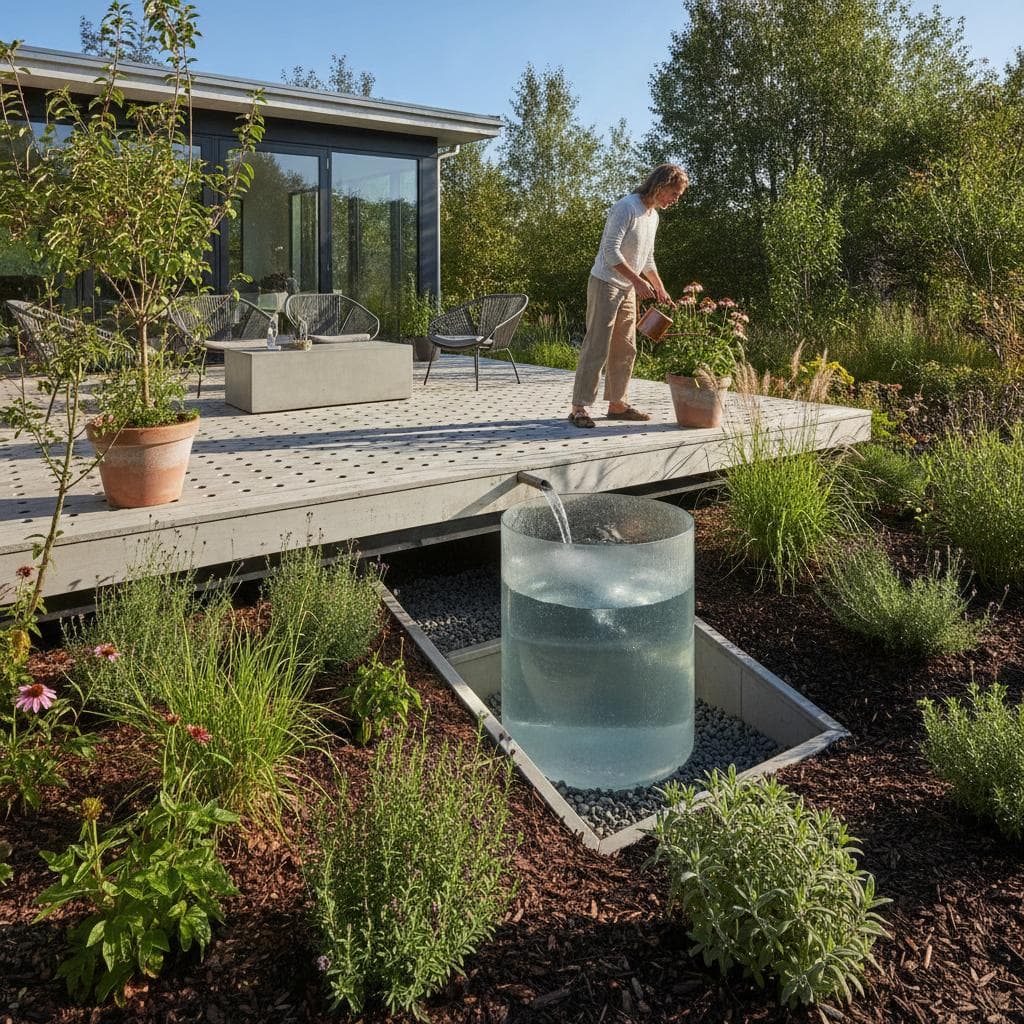
Decks That Drain Water Into Your Garden Naturally
A deck that drains instead of floods can change how your outdoor space feels after every storm. A permeable deck lets rainwater pass through its surface into a collection system or the ground below. The goal is simple. Keep the deck dry, reduce runoff, and use that water again for plants or cleaning.
Overview
A permeable deck works almost like a filter. Instead of sealing water out, it lets water travel through small gaps or porous materials into a layer designed to collect or redirect it. The system can include gravel, sand, or specialized drainage mats under the surface. Some setups store water in barrels or tanks for later use.
The benefit is twofold. You reduce strain on city drains during heavy rain, and you gain a steady supply of soft, non-chlorinated water that plants love. For small yards or rooftop decks, this design also reduces pooling, mildew, and slippery surfaces.
Tools and Materials
You can build a permeable deck from several materials. Choose what fits your skill level and the look you want.
Materials:
- Permeable pavers or decking tiles with small joints, usually 12 by 12 inches (30 by 30 centimeters)
- Plastic or aluminum subframe for stability and drainage
- Washed gravel about 2 inches (5 centimeters) deep for the base layer
- Geotextile fabric to keep soil from mixing with gravel
- Rainwater barrel or cistern between 30 and 100 gallons (113 to 378 liters)
- Gutter diverter or downspout connector if linking to existing roof runoff
Tools:
- Level, tape measure, and rubber mallet
- Power drill with stainless screws
- Shovel and rake for leveling gravel
- Safety gloves and eye protection
Steps
1. Measure and Plan
Measure your deck area in square feet. This tells you how much material you need. Mark where water will flow. The slope should drop about 1 inch for every 8 feet (2.5 centimeters per 2.4 meters) to ensure drainage.
2. Prepare the Base
Remove debris, old boards, or cracked concrete. Lay down geotextile fabric, then spread washed gravel evenly. Compact it lightly. This layer should stay level but not sealed.
3. Install the Frame
Build or place your frame over the gravel. Use corrosion-resistant materials. Keep small gaps between boards or tiles, about one quarter inch (6 millimeters), to let water seep through.
4. Connect the Drainage or Storage System
Place a rain barrel or cistern at the end of the slope. Connect it with a flexible hose or PVC pipe from the lower edge of the deck. Install a simple screen filter on top to block leaves and bugs.
5. Lay Decking or Tiles
Begin in one corner and work outward. Lock tiles together or screw boards to the frame. Check level every few rows. Gaps should stay open and clean.
6. Test the Flow
Pour a few gallons of water on the surface. Watch how it moves. Adjust slope or gaps if puddles remain longer than one minute.
7. Seal the Edges
Add a trim board or gravel border to keep the system neat. Make sure the rainwater outlet stays clear and accessible.
Safety Tips
Always wear gloves when handling sharp tiles or screws. Use eye protection while drilling or cutting. Do not climb or walk on wet surfaces during installation. If your deck attaches to a building, confirm structural load capacity before adding water tanks. A licensed contractor can verify this.
Troubleshooting
Water pooling on the surface requires an increase in slope or cleaning of clogged joints with a stiff brush. Debris in the barrel calls for a mesh screen or leaf guard at the inlet. Base shifting after heavy rain needs more gravel and better compaction. Check for soil erosion under the deck frame.
Maintenance
A permeable deck needs light but regular care. Every few weeks, sweep away dirt and leaves. Once each season, rinse the surface with a garden hose to clear fine silt from the gaps. Check the gravel bed once a year and top it off if it has settled more than half an inch (1.3 centimeters).
Clean the rain barrel monthly, especially in warm months when algae can grow. A mix of one cup of vinegar per gallon of water works well for scrubbing. Keep the outlet valve closed when not in use to prevent mosquitoes.
Storage
Store spare tiles flat and dry. Keep tools like drills and levels in a sealed box. If you use a foldable hose or flexible piping, coil it and hang it above ground level. Drain the barrel before freezing weather to avoid cracks.
Budget and Time
For a small deck of about 100 square feet, expect material costs to range from 6 to 12 dollars per square foot depending on tile type. Rain barrels start around 60 dollars, with larger cisterns near 200 dollars. Most homeowners can complete the job in two weekends with one helper. Hiring a professional installer adds roughly 30 percent to the total cost but ensures proper drainage and structural checks.
Seasonal Reminders
In dry months, use stored rainwater for garden beds and container plants. During heavy rain seasons, inspect gutters and overflow points weekly. If you live in a cold region, disconnect and drain your barrel to prevent ice damage. Mark drainage paths with small stones or pavers so snow removal does not block them.
When to Call a Pro
Call a licensed deck builder or structural engineer if your deck sits on a roof, over a basement, or connects to a building wall. A pro can verify weight limits, slope safety, and water routing. Ask about load-bearing ratings for permeable materials, safe integration with roof drains, and proper sealing where the deck meets structure walls.
Key Takeaways
A permeable deck lets you work with water, not against it. By choosing porous materials and a simple drainage or storage system, you can cut surface runoff by up to 90 percent compared to sealed decks. You can also harvest soft rainwater for plants, cleaning tools, or washing bikes. The result is an outdoor space that stays cleaner, safer, and cooler after storms.
Your Next Steps
Walk your site to identify where water collects or runs off too fast. Sketch a plan that includes slope direction, barrel placement, and access paths. Start small with a 4 by 4 foot (1.2 by 1.2 meter) test area before committing to the full deck. With basic tools, a few clear weekends, and a focus on flow, you can turn your deck into a quiet system that manages rain naturally.