
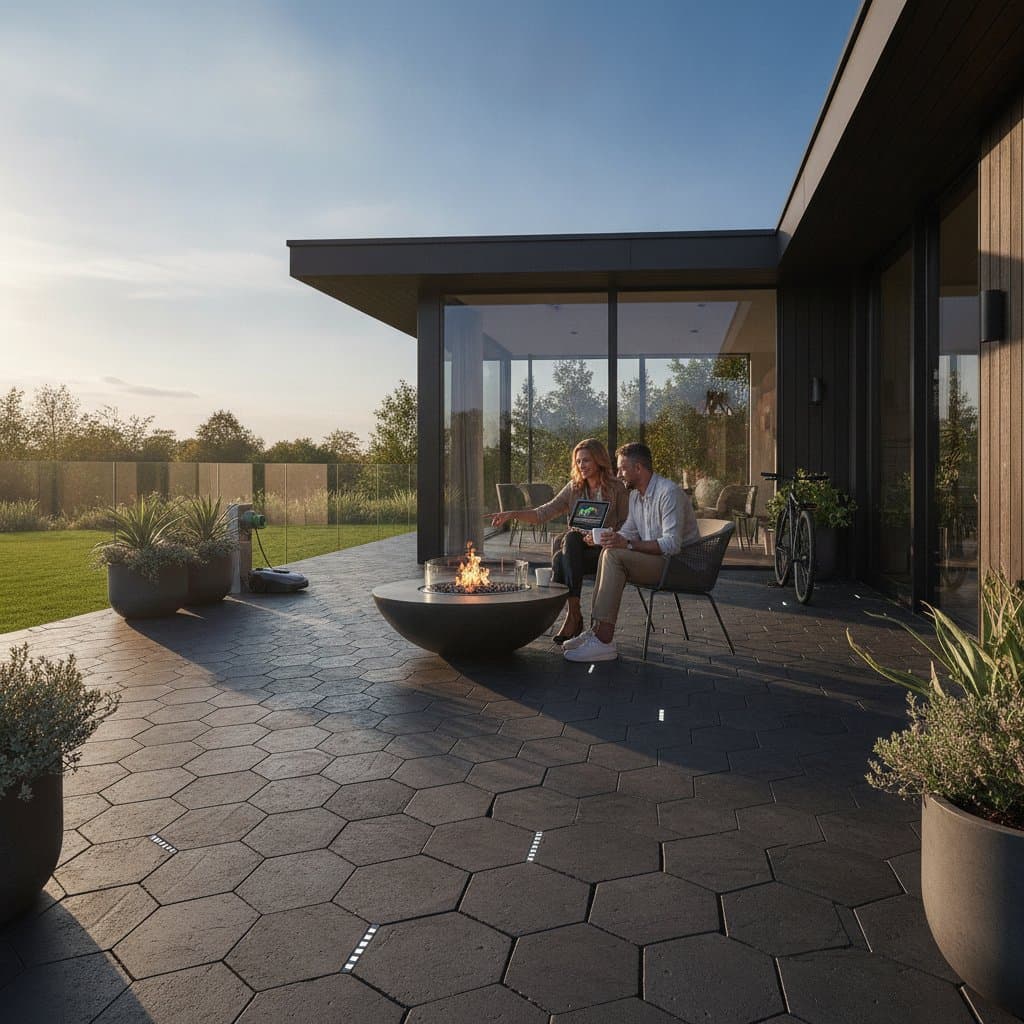
Transform Your Deck Into a Power Source Using Solar Pavers
Your deck can serve as more than a surface for furniture and plants. Solar pavers allow it to generate clean electricity while preserving its visual appeal. This approach combines relaxation space with a compact energy setup that reduces monthly utility expenses. Readers will find details on the function of these pavers, required preparation steps, safe installation methods, and ongoing care routines.
Solar pavers consist of tempered glass panels embedded with photovoltaic cells. They convert sunlight into electricity that flows through connected wiring to a controller or inverter. The resulting power can supply outdoor lighting, small appliances, or feed back into a home system. Proper orientation toward sunlight maximizes daily output throughout the year.
Required Tools and Materials
Assemble all items in advance to maintain steady progress during installation.
Tools
- Tape measure
- Rubber mallet
- Carpenter level
- Power drill equipped with a masonry bit
- Wire crimping tool
- Protective gloves and safety glasses
Materials
- Solar pavers sized to cover the deck area at roughly one unit per square foot
- Subframe or mounting base suited to the deck surface
- Low voltage wiring with weatherproof connectors
- Junction box rated for outdoor exposure
- Microinverter or charge controller
- Optional battery bank for energy storage
- Exterior grade electrical sealant
Retain all original packaging and documentation until the system operates correctly. Warranties often depend on proof of correct purchase and sequential installation records.
Essential Safety Measures
- Disconnect all power sources before handling electrical components.
- Wear gloves and eye protection to guard against sharp edges.
- Test the system only on dry surfaces.
- Refrain from drilling into paver units to avoid seal damage.
- Position junction boxes at least two inches above deck level to block moisture entry.
Project Costs and Timeline
A fifty square foot installation typically ranges from two thousand to thirty five hundred dollars based on paver quality and inverter selection. Professional electrical work adds seventy five to one hundred fifty dollars per hour. The complete process spans approximately two days, with one day allocated to surface preparation and layout followed by one day for wiring and verification.
Owners can reduce expenses by placing the pavers themselves and engaging a qualified electrician solely for final connections. Attention to waterproofing and proper grounding remains essential for long term safety and code compliance.
Maintenance Across Seasons
Spring
Remove pollen buildup and inspect all seals after periods of heavy rainfall. Verify that each paver remains level following winter freeze and thaw cycles.
Summer
Check power output during peak sunlight hours to identify any early decline in performance.
Fall
Clear fallen leaves on a weekly basis. Accumulated organic matter retains moisture that reduces light transmission through the glass.
Winter
Clear snow with a plastic shovel only. Avoid application of hot water, which can cause thermal shock and fracture the surface.
Situations Requiring Professional Assistance
Contact a licensed electrician when connecting to the main electrical panel. Professional involvement is also advised for installations exceeding one hundred square feet or when moisture appears inside any connectors. Repeated fault codes on the inverter indicate the need for expert diagnosis.
Discuss local electrical regulations with the contractor and inquire about registration requirements for small scale solar arrays. Certain regions provide financial incentives for grid connected renewable systems.
Realizing Ongoing Energy Savings
Consistent monitoring of output allows owners to adjust usage patterns and maximize returns. Over time the system offsets initial costs through reduced utility bills and potential incentive payments. Regular care ensures reliable performance across all weather conditions while supporting broader sustainability goals.