
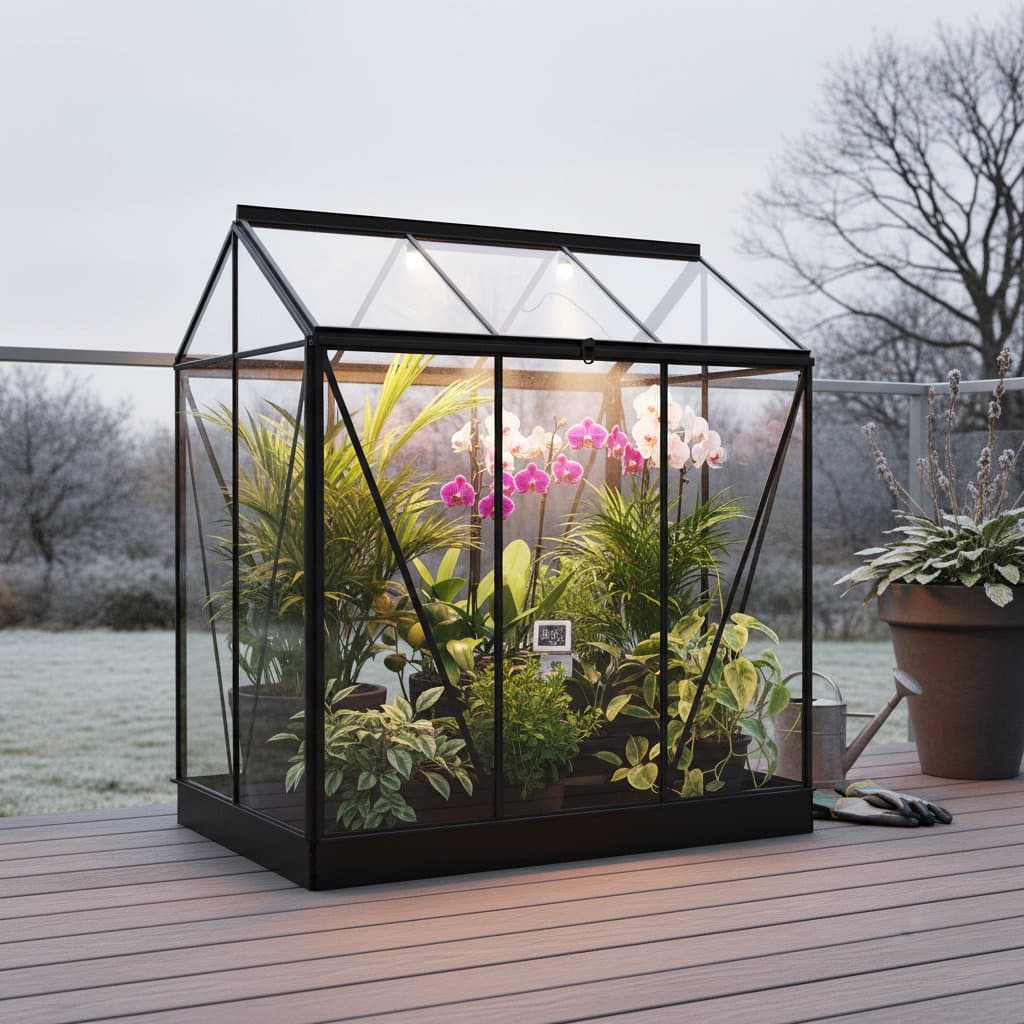
Grow Tropical Plants on Cold Decks with Pocket Greenhouses
Cold air can make your deck feel off limits for part of the year. Your love of tropical plants does not have to stop when temperatures drop. A pocket greenhouse lets you grow warm climate plants in compact outdoor spaces without permanent construction. You can protect palms, orchids, or herbs right on your deck using materials that fit a small footprint.
The goal is simple. Keep tropical plants thriving outside even when air temperatures fall below their comfort zone. You will learn how pocket greenhouses work, what to buy or build, how to manage temperature and moisture, and how to care for your setup season to season.
Overview
A pocket greenhouse is a small enclosure made of clear panels or heavy plastic that captures sunlight and traps heat. It can range from a tabletop dome to a walk in tent about 6 feet tall. The name comes from its compact size, meant for decks, balconies, or patios where space is tight.
Tropical plants prefer steady warmth and humidity. On a cold deck they struggle because the air is dry and the temperature can swing quickly. A pocket greenhouse creates a microclimate around your plants. It holds moisture, buffers wind, and captures solar heat during the day.
You do not need to turn your whole deck into a greenhouse. A pocket greenhouse only needs to be large enough to cover your pots and allow airflow. With a few low cost parts you can create a warm protected zone that keeps plants active through cold spells.
Benefits include the following:
- Keeps temperatures inside up to 10 to 20 degrees Fahrenheit warmer than outside air.
- Reduces water loss by maintaining humidity around 60 to 80 percent.
- Protects leaves and stems from windburn and frost.
- Extends the growing season for tender plants.
Tools and Materials
You can buy a ready made pocket greenhouse or assemble one with simple parts. Either way plan for stability, ventilation, and insulation.
Basic materials include a frame of PVC pipe or lightweight metal tubing 4 to 6 feet tall for deck use. You will also need a covering of clear polyethylene sheet 4 to 6 mil thick or a zippered greenhouse cover. Add wire or plastic racks about 18 inches deep along with clips or ties to secure the cover to the frame. Include a thermometer and hygrometer to monitor temperature and humidity. A small fan or vent flap supports airflow on warm days. Optional items such as a heat mat or string light add gentle warmth when rated for outdoor use.
Keep a small bucket, watering can, and soft cloth inside for easy care.
Steps
Step 1: Choose the Location
Pick a spot on your deck that gets at least 5 hours of direct sun. Look for a corner near a wall if possible since walls absorb and radiate heat. Make sure the surface is flat and can support the frame weight plus plant pots.
Step 2: Assemble or Build the Frame
Connect the frame pipes and joints on the deck surface. Most kits snap together in under an hour. If building from scratch cut PVC pipe lengths with a hand saw and fit them into corner elbows to form a box shape. Secure the base with deck clamps or bricks so wind cannot lift it.
Step 3: Attach the Cover
Drape the plastic or cover over the frame. Pull it tight to avoid sagging that can collect rain or snow. Use clips or zip ties to fasten the edges. Leave one side as a roll up door or zip opening to reach your plants.
Step 4: Set Up Shelving
Place wire racks inside for your pots. Position taller plants on the bottom shelf and shorter ones up top. Leave at least 2 inches between the leaves and the cover for air circulation.
Step 5: Add Temperature and Humidity Control
Hang a thermometer and hygrometer inside at mid height. On cold nights place a heat mat under the lowest shelf or a low wattage outdoor rated string light along the frame. Aim to keep the air between 65 and 80 degrees Fahrenheit.
Step 6: Water and Vent
Check soil moisture daily. The enclosed space slows evaporation so water less often. On sunny days unzip or open a flap for a few hours to prevent overheating or fungal build up.
Step 7: Monitor and Adjust
Observe your plants. If leaves yellow humidity may be too high. If tips brown air may be too dry. Adjust venting or misting as needed.
Troubleshooting Common Issues
Condensation dripping on leaves calls for wiping the inside cover with a soft cloth and opening vents for one hour daily. This prevents mold and leaf rot.
Temperature spikes above 90 degrees Fahrenheit require opening both ends of the greenhouse and using a small fan. Warm air escapes quickly through cross ventilation.
Wilted leaves despite moist soil point to root crowding. In small pots roots can overheat. Repot into a larger container or shade the pot base.
Mold or fungus growth means you should reduce humidity by spacing plants 3 to 4 inches apart. Use a diluted vinegar spray on shelving once a week for cleaning.
Ongoing Care and Storage
Pocket greenhouses need regular checks to stay efficient. Once a week wipe down clear panels with mild soap and water to keep light transmission high. Every two weeks inspect seams and ties for wear. Replace any loose clips or torn plastic before cold weather returns.
Rotate plants every few days so each gets even light. Remove any dead leaves or debris to reduce pests. If you use a heat mat unplug it when outdoor daytime temperatures rise above 60 degrees Fahrenheit.
At the end of the season wash and dry the cover thoroughly before storage. Fold it loosely to avoid cracks and store in a dry closet or bin.
If you plan to disassemble your pocket greenhouse for warm months label each frame piece with masking tape for easy reassembly. Store metal parts indoors to prevent rust. Stack shelves flat and cover them with a towel or tarp to keep dust off.
Plastic covers last longer if kept in a cool shaded place. Avoid folding along the same crease each time. Rolled storage prevents weak spots and extends life by several seasons.
Budget Considerations
A small ready made pocket greenhouse costs about 40 to 100 dollars depending on size and features. Building your own with PVC pipe and plastic sheet runs about 25 to 60 dollars. Setup takes 1 to 3 hours for most people.
Operating costs are low. If you add a small heat mat or light expect a few dollars per month in electricity. Most maintenance involves cleaning and small replacements under 10 dollars.
Seasonal Adjustments
In cold months close vents by late afternoon to hold heat overnight. In warm months keep vents open and remove the cover when temperatures stay above 80 degrees Fahrenheit. Before the first frost check that all seams are sealed and covers are snug. Midseason refresh potting soil with compost or slow release fertilizer.
These small tasks keep your tropical plants strong and your greenhouse working efficiently.
When Professional Help Is Needed
If your deck has electrical outlets or lighting near water sources ask a licensed electrician to install a weatherproof plug before running heating mats. A pro can also advise on load limits if your deck holds large pots or water barrels.
Call a structural or building expert if you plan to mount a heavy frame to railings or walls. They can confirm safe attachment points and prevent moisture damage to deck materials.
Sustaining Your Tropical Oasis Year Round
A pocket greenhouse gives you a simple way to grow tropical plants in cold conditions without major construction. It uses sunlight and insulation to create a warm humid space for your plants. Consistent attention to ventilation and moisture turns a basic enclosure into a reliable microclimate that supports growth through every season.