
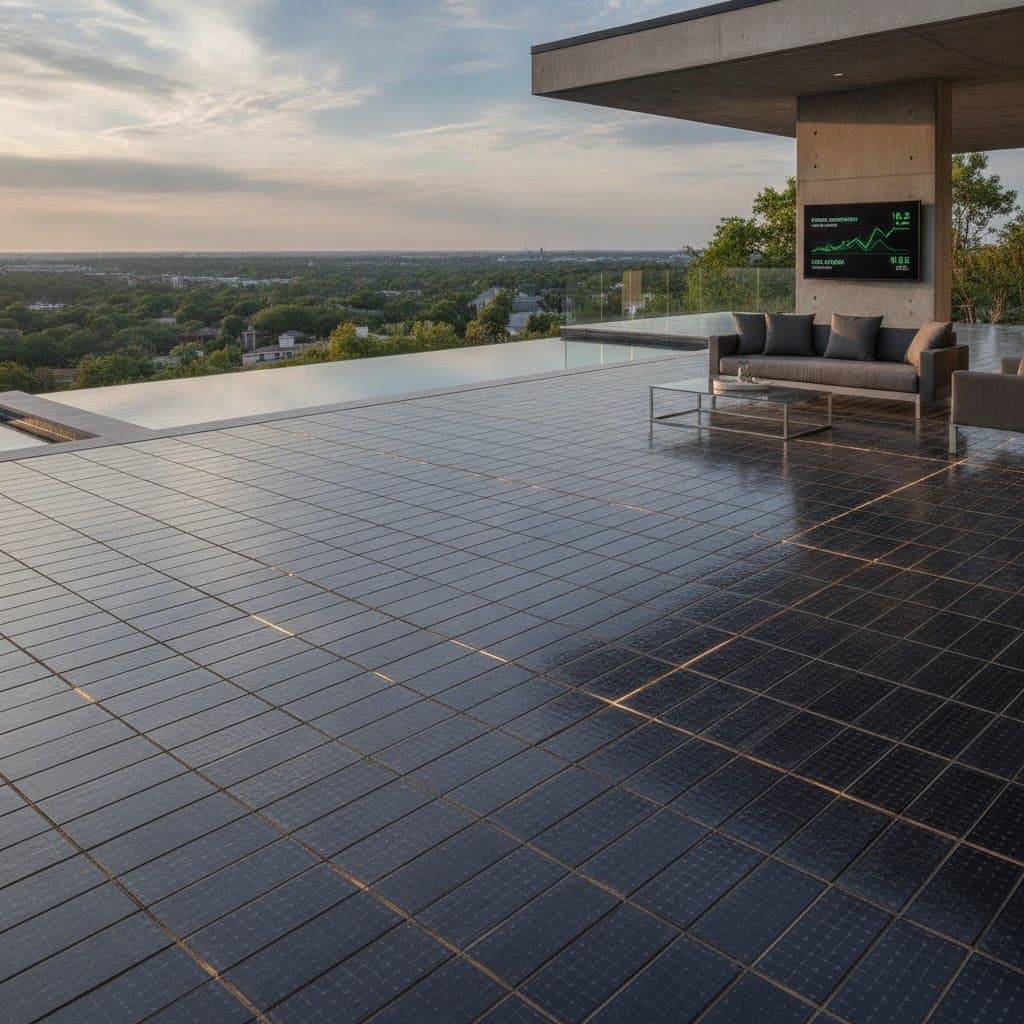
Solar Pavers Turn Ordinary Decks Into Energy Generators
Your deck offers more than a spot for relaxation. Solar pavers integrate photovoltaic cells into durable tiles that capture sunlight and convert it into usable electricity. This approach allows every square foot to contribute to energy needs while preserving the surface appearance and function.
The following sections cover the function of solar pavers, site preparation, installation sequence, ongoing care, and cost considerations. Readers gain practical steps to evaluate and implement the system safely.
Core Function and Output
A solar paver embeds a photovoltaic panel within a weatherproof tile rated for foot traffic. Sunlight striking the surface generates direct current that routes through an inverter or charge controller for household use or battery storage.
Individual tiles typically deliver 5 to 15 watts under standard conditions. A 200 square foot installation can therefore support outdoor lighting, device charging, or partial offset of indoor consumption when sunlight exposure meets minimum thresholds.
Tiles combine with conventional paving materials. Glass or reinforced resin surfaces resist moisture and abrasion while matching surrounding textures such as stone or wood grain.
Required Tools and Materials
- Tape measure and chalk line
- Level and rubber mallet
- Outdoor rated conduit and junction boxes
- Weatherproof connectors
- Inverter or charge controller
- Multimeter for testing
- Safety gloves and eye protection
Existing decks require only surface replacement in selected areas. New construction allows conduit placement before final paving.
Installation Sequence
Evaluate Sunlight Exposure
Confirm at least four hours of direct sun daily across the intended area. Remove branches or obstructions that create persistent shade.
Design the Layout
Mark zones for solar tiles and standard pavers. Route wiring along the shortest accessible paths while maintaining one inch of clearance beneath the deck surface.
Prepare the Substrate
Clean and level the base. Uneven areas create stress on connections and reduce long term reliability.
Route Electrical Components
Install conduit and junction boxes according to the layout. All parts must carry outdoor ratings. Engage a licensed electrician when local codes or personal experience require assistance.
Position the Tiles
Set solar pavers first in designated zones. Seat each tile with a rubber mallet and verify secure wiring connections between adjacent units.
Verify Performance
Activate the circuit and measure voltage with a multimeter under sunlight. Steady output from each tile confirms proper installation before final sealing.
Complete the Surface
Fill remaining spaces with standard pavers. Apply outdoor grade sealant to all joints to block moisture intrusion.
Safety Practices
Disconnect power before any wiring work. Avoid contact with wet surfaces during electrical testing. Use only certified waterproof connectors and keep tools dry.
Common Issues and Corrections
- Reduced voltage often results from surface debris. Rinse with low pressure water and mild detergent.
- Isolated tile failure usually traces to loose connectors or damaged leads.
- Intermittent output may indicate inverter settings or grounding problems.
A single compromised tile can lower overall efficiency by as much as fifteen percent. Schedule visual inspections at regular intervals.
Cost and Schedule Expectations
Quality solar pavers range from ten to twenty dollars per square foot. Professional labor adds five to ten dollars per square foot. A 200 square foot project therefore falls between three thousand and six thousand dollars.
Do it yourself work requires two to three days including testing. Weather or structural repairs may extend the timeline.
Routine Care
Rinse surfaces every few months with mild soap and low pressure water. Inspect wiring and sealant annually for wear. Place soft pads under furniture legs to avoid surface damage.
Store spare connectors, sealant, and replacement tiles indoors in a temperature stable location for quick access.
Professional Assistance Criteria
Contact a licensed electrician when exposed wiring, repeated output loss, or cracked surfaces appear. Request documented voltage readings, warranty details, and a wiring diagram upon completion.
Evaluating System Performance
Track monthly energy contribution through the inverter display or a dedicated monitor. Compare readings against initial projections to identify maintenance needs early and sustain long term savings.