
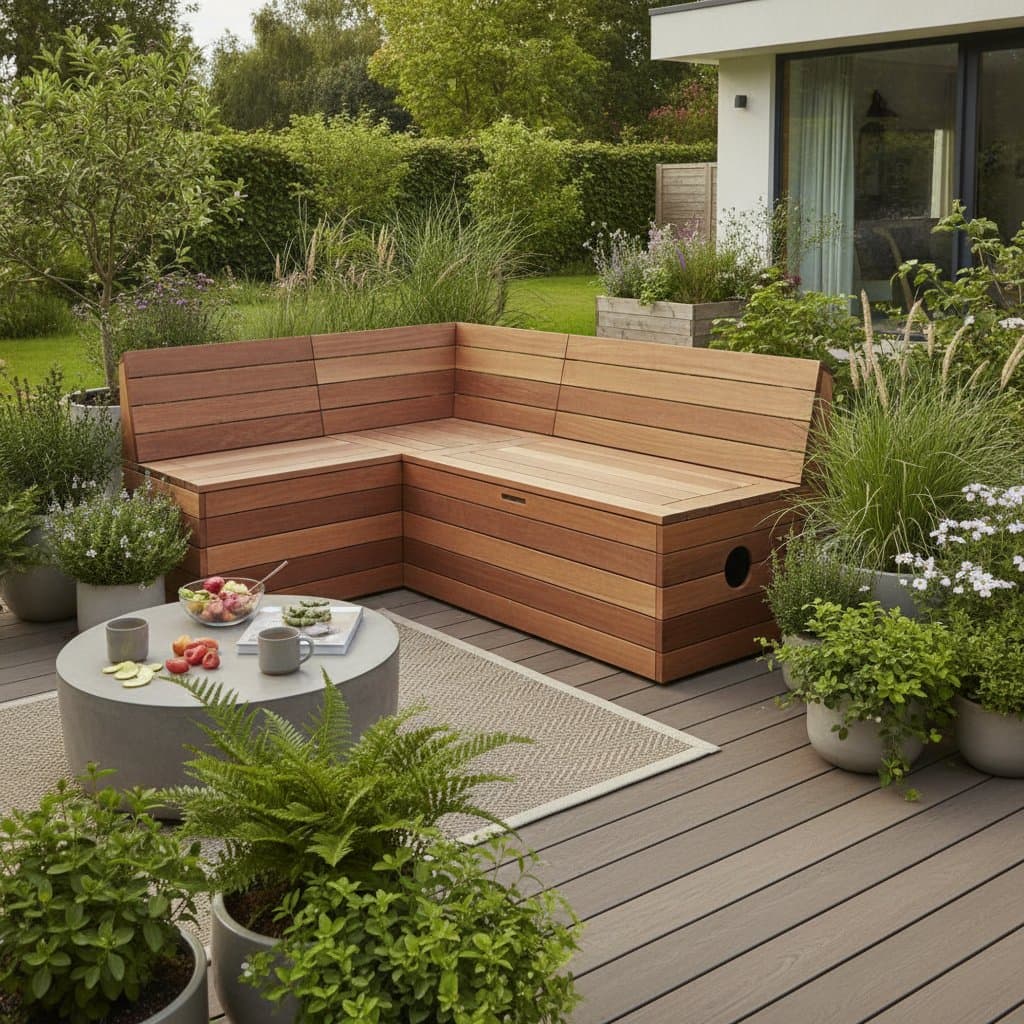
Building a Dual-Purpose Deck Bench
A deck bench with an integrated compost bin combines seating and waste management in one unit. This approach frees up floor space while turning kitchen scraps into garden nutrients. Proper construction ensures durability, odor control, and safe use.
Planning and Materials
Measure the available deck area first. Allow enough room for comfortable seating without obstructing walkways or railings. Select rot-resistant wood such as cedar or redwood for the frame and exterior panels.
Acquire a plastic or metal liner sized to fit inside the bench compartment. Gather exterior screws, hinges rated for outdoor use, and mesh screening for ventilation. Prepare basic tools including a drill, saw, and sander.
Constructing the Frame and Compartment
Cut lumber to form a sturdy rectangular box that will serve as both bench support and compost chamber. Assemble the sides and base with screws, then reinforce corners with brackets. Position the liner inside before attaching the front panel.
Creating the Venting System
Compost requires airflow for proper decomposition. Drill two or three 1-inch holes along each side of the compartment. Line the holes with mesh from the inside to exclude pests while permitting air exchange.
Attaching the Seat and Lid
Cut deck boards to form the bench top. Attach them with hinges so the lid opens smoothly. Maintain an 1/8-inch gap between boards to allow water to drain. Verify that the lid clears nearby walls or railings when raised.
Sealing and Finishing
Sand all surfaces smooth. Apply two coats of exterior sealant or paint to protect against moisture. Allow full drying time before introducing any organic material.
Starting the Compost Process
Place several inches of dry leaves or shredded cardboard at the base of the liner. Add kitchen scraps in layers and stir the contents weekly with a small trowel. Maintain moisture at the level of a wrung-out sponge.
Adding Comfort Features
Place a washable cushion on the seat surface. Confirm that the cushion does not interfere with lid operation. Store a small countertop pail indoors to collect daily scraps before transfer to the bench.
Safety Considerations
Wear gloves and safety glasses during cutting and drilling. Avoid pressure-treated lumber near the compost area to prevent chemical leaching. Keep children and pets away from unfinished compost.
Common Issues and Solutions
Odors usually indicate excess moisture or insufficient air. Add more brown materials and check vent holes. Dry compost benefits from light misting. Insects are discouraged by covering fresh scraps with leaves and securing the lid.
Warping occurs when moisture collects underneath. Elevate the bench slightly with rubber feet and maintain the sealant coat.
Ongoing Care
Empty finished compost every few months into garden beds. Clean the liner with mild soap between batches. Inspect hinges and screws for rust after heavy rain and replace parts as needed.
In winter, continue adding small amounts of scraps while keeping the lid closed to retain heat. In summer, turn the material more frequently and provide shade for the lid.
Professional Assistance
Consult a carpenter when custom cuts or structural modifications exceed personal skill levels. Request exterior-grade hardware and verified weight capacity for seating. A composting specialist can refine airflow if large waste volumes are expected.
Practical Next Steps
Sketch the bench location on your deck layout. Choose wood and liner materials that match existing deck finishes. Establish a daily routine of transferring scraps from the kitchen pail to the bench bin.