
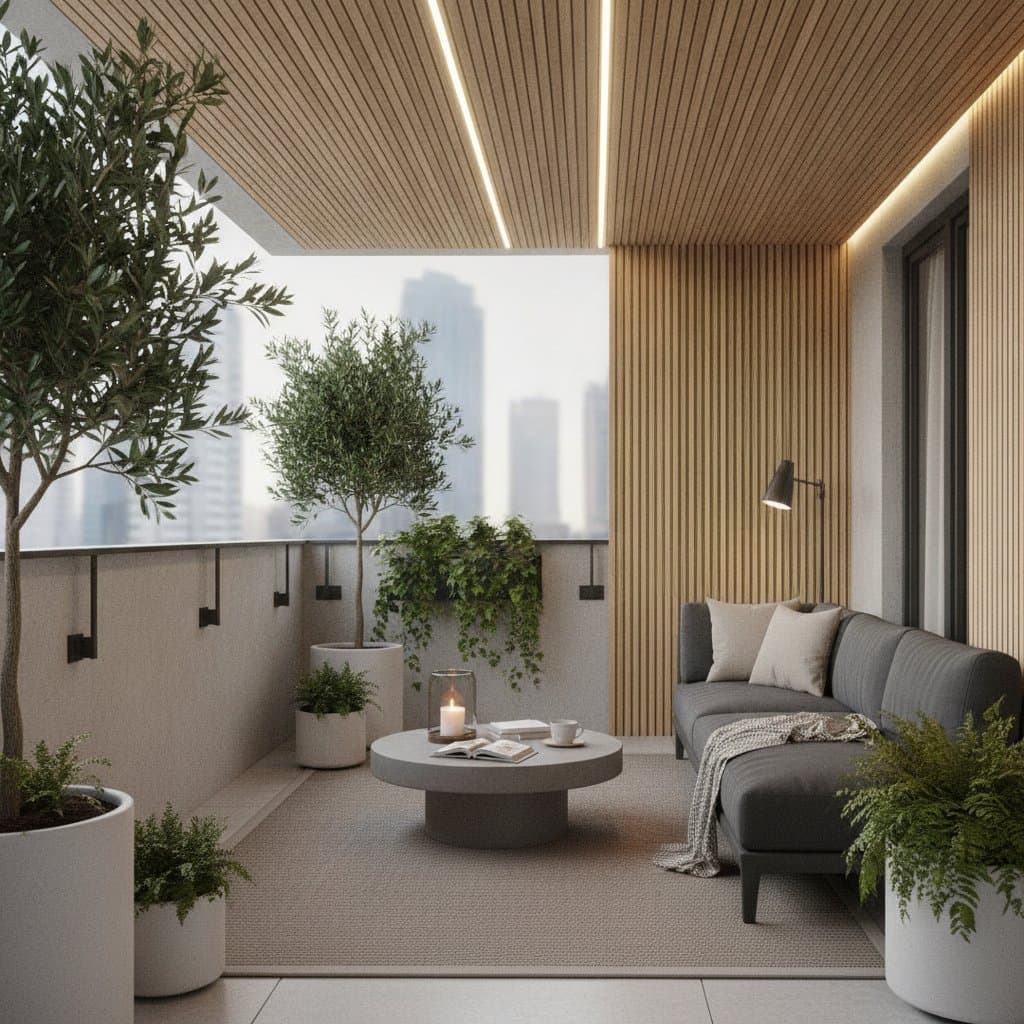
Understanding Acoustic Panels for Outdoor Use
Acoustic panels reduce echoes and soften noise on balconies by absorbing sound waves. They work best on surfaces that reflect sound, such as concrete walls or metal railings. Proper selection and placement create noticeable improvements without blocking every external sound.
These panels suit urban settings where traffic or neighbor noise disrupts outdoor time. Materials like foam, felt, or mineral wool each offer different absorption levels and durability. Weather resistance remains essential for long term performance.
Essential Tools and Preparation
Gather these items before starting:
- Measuring tape for accurate spacing and alignment.
- Level to ensure even placement.
- Gloves and safety glasses for protection during handling.
- Sealant or outdoor paint to protect edges from moisture.
- Drill or freestanding frame depending on wall type and rental restrictions.
Measure noise entry points first. Identify gaps in railings, open sides facing streets, or reflective walls. This step directs panel placement for maximum effect.
Planning and Material Selection
Assess wall materials to choose mounting options. Concrete accepts anchors easily. Metal or glass requires frames or ties. Sketch a layout that covers 25 to 50 percent of exposed surfaces while preserving airflow.
Select panels rated for outdoor exposure. Foam offers lightweight affordability. Felt provides decorative options. Mineral wool delivers stronger absorption when sealed properly. Wrap bare materials in UV resistant fabric and apply edge sealant before installation.
Installation Process
Follow these steps for secure mounting:
- Position the first panel at the loudest noise source.
- Maintain consistent height and leave a two inch air gap between panels.
- Secure brackets or frames tightly while avoiding wires and fixtures.
- Add plants or outdoor art afterward to enhance absorption and appearance.
Test results by listening for reduced sharpness in echoes. Add panels or pair with curtains if further improvement is needed.
Safety and Troubleshooting
Wear protective gear during cutting or wrapping. Use non combustible materials near heat sources. Inspect mounts regularly and follow building regulations.
Common issues include persistent outdoor noise, which requires sealing gaps with weather stripping. Warping calls for better UV protection and indoor storage during harsh seasons. Loosened mounts benefit from upgraded anchors. Condensation improves with increased ventilation gaps.
Ongoing Care and Seasonal Adjustments
Wipe panels monthly with a damp cloth. Reapply sealant annually on wood frames. Store removed panels flat in dry conditions wrapped in breathable covers.
Adjustments vary by season. Spring requires mount checks after wind exposure. Summer benefits from added shade on dark surfaces. Autumn demands complete drying before storage. Winter favors indoor relocation in wet climates.
When Professional Help Adds Value
Large coverage areas or strict building codes warrant a sound specialist. Request decibel measurements and outdoor rated samples. Structural concerns such as cracks or leaks also require expert inspection before any attachment.
Expanding Results Beyond Panels
Layer additional elements for better control. Rugs absorb floor level sound. Tall planters create natural barriers. Outdoor curtains filter noise and increase privacy. Sealed floor gaps limit vibration.
These combinations turn a basic setup into a consistent retreat. Daily use becomes more comfortable as the space supports reading, meals, or conversation without constant urban interference.