
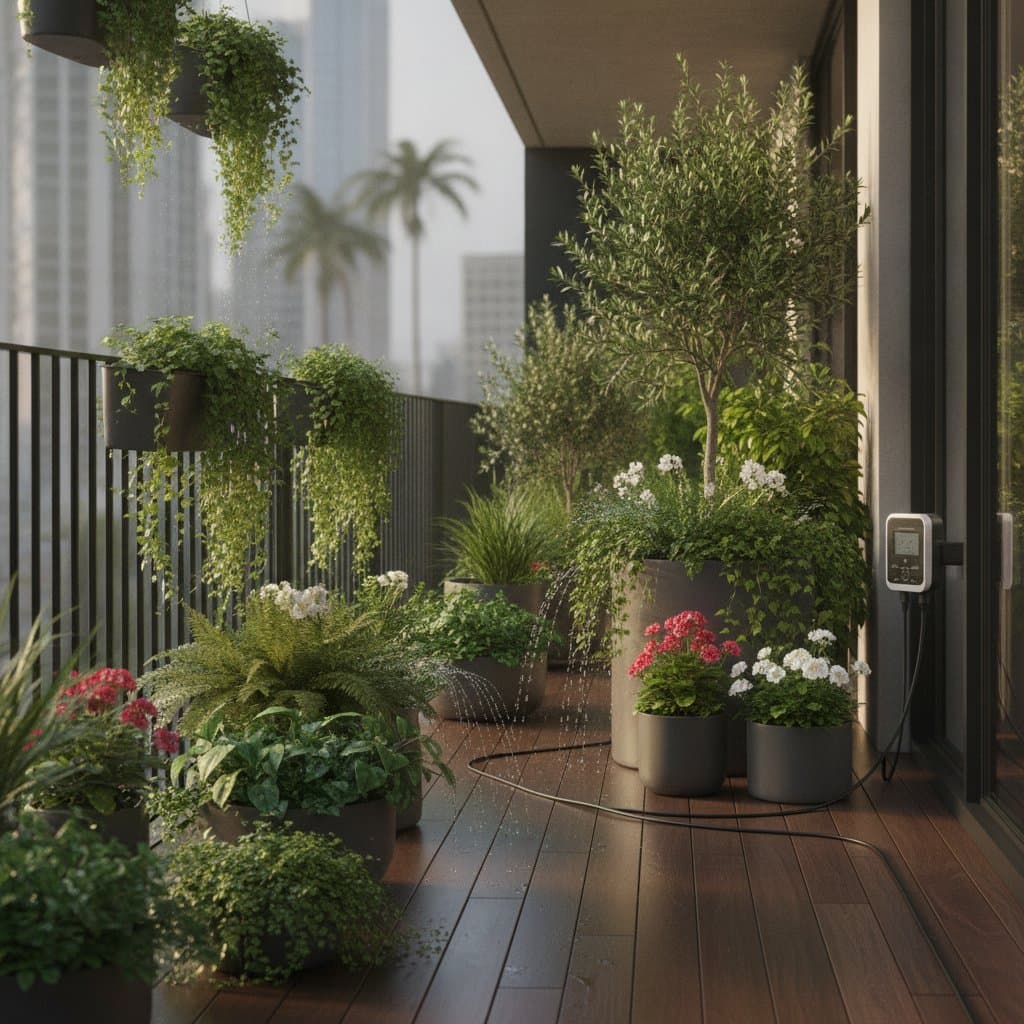
Micro-Drip Systems Water Balconies While You Travel
You love your balcony plants. Travel and busy weeks often leave them thirsty. A micro-drip irrigation system keeps them alive and thriving while you are away. It delivers slow, steady water right to the roots with minimal waste. Your goal is simple. Keep your plants hydrated, healthy, and low-maintenance when you cannot be home.
This guide explains what micro-drip systems are. It covers why they matter for balcony gardens. It also shows how to set one up safely and affordably. You will learn what to buy, how to install it, and how to keep it working season after season.
Overview
A micro-drip system is a network of small tubes and emitters that release water drop by drop. It connects to a water source, such as a faucet or bucket, and sends water directly into each pot or planter. Unlike sprinklers or hand watering, a drip line avoids runoff and evaporation.
For balcony gardeners, this is ideal. You often have limited space, shared walls, and neighbors below. Micro-drip systems reduce mess, use less water, and keep soil evenly moist. They also free you from daily watering chores. This means you can travel or enjoy weekends away without worry.
You get three main benefits. Consistent moisture prevents plant stress. Water savings reach up to 50 percent compared with hand watering. Hands-off operation follows once the system is tuned and automated.
Tools and Materials
You only need a few items to build a reliable balcony drip setup. Most are available in garden or hardware stores, often sold in starter kits.
Basic components include a pressure regulator rated around 25 psi. Add a backflow preventer to keep water clean. Include a filter to block debris. Use a roll of 1/4 inch (6 millimeter) tubing for small spaces. Add 10 to 20 drip emitters or adjustable drippers. Install a timer or smart controller. Use stakes or clips to hold tubing in place. An optional splitter works if you need other hose access.
Gather scissors, a small bucket for testing, and a towel for spills. Make sure your faucet threads match the fittings on your kit.
Steps
Setting up a micro-drip system takes one afternoon. Plan before cutting tubing so you use only what you need.
Step 1: Map your layout
Sketch your balcony. Mark each pot or planter. Decide where the main line will run and how the smaller lines will branch off. Keep tubing paths short and direct to avoid pressure loss.
Step 2: Attach the faucet assembly
Connect the backflow preventer, filter, and pressure regulator to your outdoor faucet or balcony tap in that order. Hand-tighten each part. This protects your home plumbing and keeps the system clean.
Step 3: Run the main line
Cut tubing to fit along the railing or wall. Use clips or stakes every 12 inches (30 centimeters) to keep it neat. Avoid sharp bends that could block flow.
Step 4: Add branch lines and emitters
At each pot, punch a small hole in the main line and insert a barbed connector. Attach a short piece of tubing leading to the pot. Push a drip emitter into the end and secure it near the plant base. Use one emitter for small pots and two or more for large planters.
Step 5: Set the timer
Connect the timer between the faucet and the backflow preventer. Program it to water once or twice a day for 5 to 15 minutes depending on pot size, sun exposure, and soil type. Test a cycle to confirm every emitter drips evenly.
Step 6: Check for leaks
Run the system for ten minutes. Look for spurts or dry spots. Tighten fittings or replace clogged emitters. Once flow is balanced, you are ready to travel with confidence.
Safety Tips
Always include a backflow preventer to stop dirty water from entering household pipes. Keep the system off when freezing weather is expected. Water left in tubing can expand and crack lines. Avoid over-tightening plastic fittings. Hand pressure is enough. Do not leave the faucet pressurized if you suspect leaks. Turn off the water and inspect first.
Troubleshooting
Uneven watering
If one plant stays dry, check for kinks or clogged emitters. Flush the line by removing the end cap and letting water run for a minute.
Leaks or bursts
A loose connector or cracked tube can waste water fast. Cut out the damaged section and rejoin with a straight connector.
Low pressure
If emitters drip weakly, your system may exceed its capacity. Limit each line to about 30 feet (9 meters) of tubing or 10 pots per branch.
Timer failure
Replace batteries each season. If using a smart controller, reset the Wi-Fi connection after power outages.
Maintenance and Storage
Inspect your drip system at least once a month during active use. Remove debris from filters and check emitters for buildup. Vinegar soaks can clear mineral deposits.
Before cold weather, disconnect all parts and drain water completely. Coil tubing loosely and store it in a dry place out of sunlight. Filters, regulators, and timers last longer when protected indoors.
You can reuse the same tubing for several seasons. Replace only worn or brittle pieces.
Budget and Time
A small balcony drip kit costs about 40 to 80 dollars. A smart timer adds another 30 to 60 dollars. You can expect a total investment under 150 dollars for most setups.
Installation takes about 2 to 3 hours for a beginner. Once installed, the system uses minimal water. It cuts your monthly bill slightly while saving hours of hand watering.
Seasonal Reminders
During hot months
Check emitters weekly, as heat can cause clogs or loosening. Increase watering time by a few minutes if leaves wilt midday. Clean filters more often to keep flow steady.
During cool or rainy periods
Reduce watering frequency to every few days. Turn off automatic cycles when rain is expected. Store the timer indoors if conditions stay damp.
Before winter
Drain all lines. Disconnect fittings and bring them inside. Label each section for quick reassembly next season.
When to Call a Pro
If your balcony lacks a safe water source or drainage, a plumber can install an outdoor-rated faucet or backflow valve. Hire a licensed pro if you notice water seeping into walls or flooring below. Ask them to confirm pressure levels and waterproof seals before reconnecting your system.
Preparing for Your Next Trip
A micro-drip irrigation system is a small but powerful upgrade for your balcony garden. It delivers water directly to roots, saves money, and removes stress about plant care while you travel. Measure your balcony and count your pots. Buy a starter drip kit with a timer and backflow preventer. Install and test before your next trip. Once you see the steady drip and moist soil, you will know your plants are safe and your balcony can thrive on autopilot.