
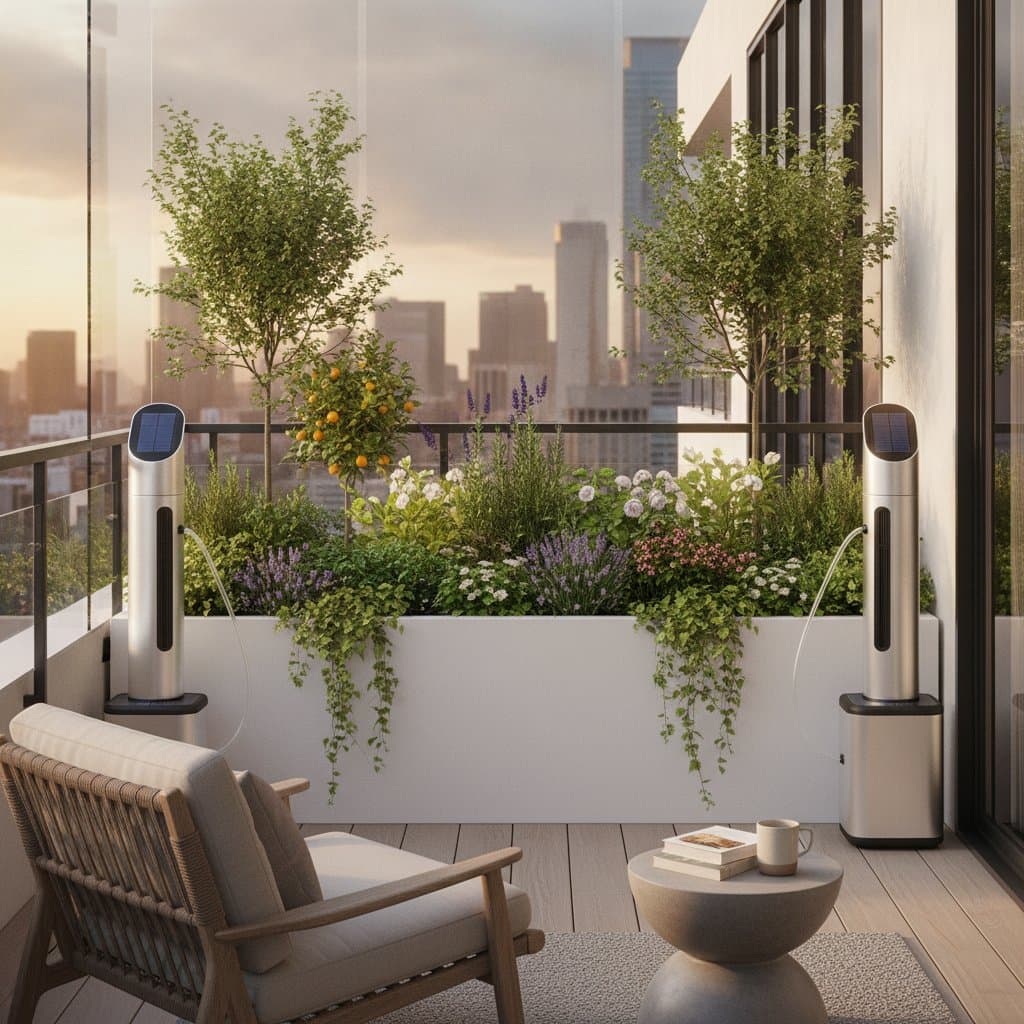
Mounting the Solar Panel
Attach the panel to a railing or wall with brackets or zip ties. Angle the panel toward open sky to maximize light exposure. Use a level tool to verify proper alignment.
Connect the panel to the pump cable. Most kits include plug connectors for this step. Match positive and negative leads with care if connectors are absent.
Positioning the Tower
Stack the planters according to the kit instructions. Verify that each layer drains properly into the layer below. Run the main tubing up the center pole and branch small lines into each pot.
Install drip emitters or create small holes with a pin to regulate flow. Begin with one emitter per pot and refine the setup based on observed results.
Testing the System
Activate the pump while the panel sits in direct sunlight. Observe water movement through the tubing and into each planter. Adjust emitters to achieve a steady, slow drip.
Shorten upper tubing runs or elevate the reservoir slightly if pressure varies. The goal is consistent small drops without splashing or overflow.
Final Assembly and Setup
Secure all tubing with clips or zip ties. Coil excess cable near the panel. Label individual lines when growing plants with different watering requirements.
Add soil and plants after confirming even distribution. Herbs, lettuce, and compact flowers perform well in tower configurations.
Troubleshooting Common Issues
Pump Failure
Confirm adequate sunlight reaches the panel and clean any dust or debris. Tighten all wire connections. Test the pump separately with a small battery to isolate the problem.
Inconsistent Watering
Clear clogged emitters and soak tubing in warm water to remove deposits. Straighten kinks that limit flow.
Leaks at Joints
Inspect connections near the reservoir. Reapply sealant or tighten fittings as needed.
Dry Soil Conditions
Add a moisture sensor or timer to increase pump operation. Some kits allow threshold adjustments that trigger watering automatically.
Excessive Noise
Normal operation produces a low hum. Reposition the pump or add cushioning if rattling occurs.
Routine Maintenance
Inspect the full system weekly during the first month. Monthly checks suffice once performance stabilizes.
Monthly tasks
- Refill the reservoir at the halfway mark
- Clean the pump filter when flow decreases
- Examine tubing for algae growth
- Wipe the solar panel surface
- Assess soil moisture and fine tune emitters
Seasonal tasks
Drain the reservoir and move the pump indoors before freezing temperatures arrive. Clean components thoroughly before spring reassembly.
Plants require consistent moisture with brief dry intervals. Match emitter settings to specific plant preferences.
Professional Assistance
Address most problems through basic adjustments. Contact a technician for these situations:
- Damaged or corroded electrical cables
- Reduced panel output after cleaning
- Integration with a household water supply
Service fees typically range from 50 to 100 dollars for compact systems. Request voltage and pressure measurements during visits.
Expanding the Installation
Begin with a two tier tower to observe water patterns and plant responses. Scale to additional tiers or multiple units after gaining experience.
Enhance visual integration with these steps:
- Cover tubing with jute or matching paint
- Place pebbles on the top planter
- Position trailing plants along the edges
Measure balcony sunlight exposure first. Gather materials and dedicate time for initial assembly and testing.