
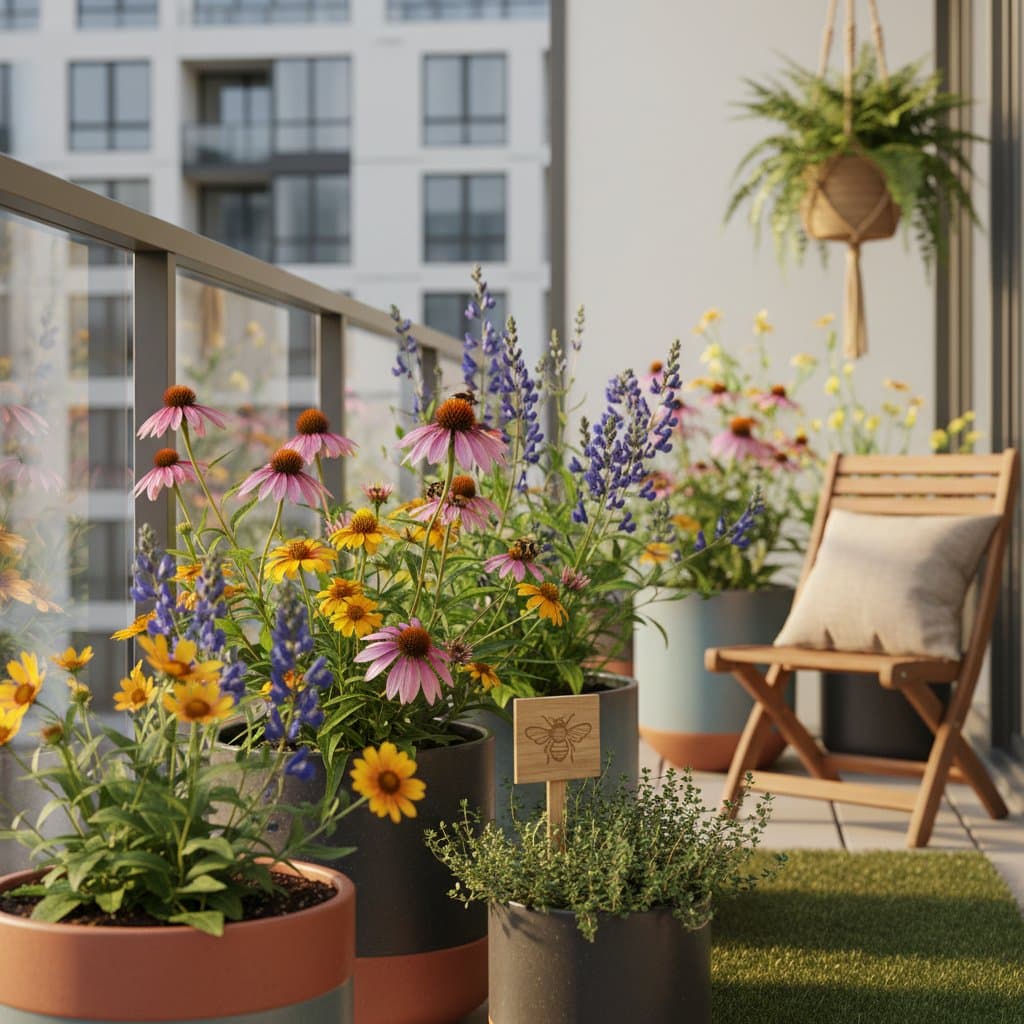
Transforming Balconies into Bee Havens with Native Plants
Urban balconies often represent limited outdoor space, yet they hold significant potential for supporting local ecosystems. Native plants serve as vital resources for bees, providing nectar and pollen while requiring minimal upkeep compared to non-native species. By selecting appropriate varieties, you can foster a balanced environment that benefits pollinators and enhances the visual appeal of your space. This guide outlines the process of creating and maintaining a bee-friendly balcony garden, from initial planning to ongoing care.
Selecting Native Plants for Your Balcony
Choose plants that are indigenous to your region to maximize ecological impact and ease of growth. For urban areas like New York City, focus on species adapted to container life and partial shade, common in balcony settings. Aim for a mix of early-spring bloomers, summer staples, and fall providers to ensure a steady food supply for bees throughout the season.
Recommended options include:
- Bee balm (Monarda didyma): Features vibrant red or pink tubular flowers that bees favor; blooms from June to September and tolerates some shade.
- Purple coneflower (Echinacea purpurea): Offers daisy-like purple petals with central cones rich in nectar; attracts a variety of bee species and persists into late summer.
- Black-eyed Susan (Rudbeckia hirta): Yellow blooms with dark centers provide late-season forage; drought-tolerant once established.
- Goldenrod (Solidago spp.): Clusters of tiny yellow flowers sustain bees in autumn; select compact varieties for pots.
- Wild bergamot (Monarda fistulosa): Lavender blooms early in summer; aromatic foliage deters some pests naturally.
Select four to six varieties based on your balcony's sunlight exposure, which typically ranges from four to six hours daily in urban environments. Purchase from local nurseries specializing in natives to guarantee authenticity and health. These plants not only draw bees but also resist urban stressors like pollution and variable temperatures.
Essential Tools and Materials
Assemble a straightforward set of supplies to facilitate planting and long-term success. These items support healthy root development and efficient watering in confined spaces.
- Containers: Three or more pots measuring 10 to 12 inches in diameter, equipped with drainage holes to prevent root rot.
- Potting mix: One large bag of organic soil blended with compost for nutrient-rich, well-draining support.
- Native plants: Four to six young specimens, prioritizing a balance of bloom times for continuous attraction.
- Watering can: A lightweight one-gallon model with a rose attachment for gentle, even distribution.
- Mulch: A small bag of shredded bark or straw to conserve soil moisture and suppress weeds.
- Hand tools: A trowel for digging and sturdy gloves for soil handling.
- Fertilizer: An organic, bee-safe formula free from synthetic additives to nourish without harm.
For balconies prone to high winds, incorporate two or three weighted saucers or pot anchors to secure larger containers against tipping.
Planting Your Bee Garden
Begin planting in spring after the last frost, when soil temperatures reach at least 50 degrees Fahrenheit. Position pots to capture maximum sunlight while considering wind patterns.
- Fill each container halfway with potting mix, then create a hole twice the width of the plant's root ball.
- Gently remove the plant from its nursery pot and loosen tangled roots before placing it in the hole at the same depth as before.
- Surround the roots with additional soil, pressing firmly to eliminate air pockets, and water thoroughly until excess drains out.
- Apply a one-inch layer of mulch on the surface to retain moisture and regulate temperature.
Group pots with complementary heights and colors for aesthetic harmony and to create microhabitats. This arrangement encourages bees to explore multiple sources in one visit.
Safety Considerations for Urban Balconies
Prioritize structural integrity to avoid accidents in elevated spaces. Balconies have defined weight capacities, often 50 to 100 pounds per square foot, so calculate the load from filled pots.
- Verify load limits: Distribute containers evenly; a standard 12-inch pot filled with soil and plants weighs 15 to 25 pounds.
- Eliminate chemical use: Refrain from pesticides, as they can poison bees. Address aphids by wiping leaves with a damp cloth or applying a diluted soap-water solution.
- Stabilize installations: Attach clips or ties to railings for tall pots, and cluster heavier ones in corners for added security.
- Personal precautions: Hydrate frequently during setup, especially in warm weather, and wear sunscreen to protect against prolonged exposure.
Consult your building's guidelines or a professional if modifications are needed.
Daily and Seasonal Maintenance
Consistent care ensures plants remain vigorous and appealing to pollinators. Monitor conditions weekly to catch issues early.
Deadhead spent flowers by pinching just below the bloom to stimulate further production. Prune stems exceeding 12 inches to maintain compact growth and prevent overcrowding in pots.
Replenish mulch every two months to sustain moisture levels. Examine leaf undersides for signs of pests or fungal growth; isolate and remove affected parts promptly.
During winter, trim perennials to four inches above soil level, leaving stubs as winter refuge for insects. In spring, resume regular watering as growth resumes, applying fertilizer sparingly every six weeks.
Common Issues and Solutions
Address problems proactively to keep your garden productive. Most challenges stem from environmental factors in urban settings.
- Yellowing leaves: Indicates overwatering; allow the top inch of soil to dry completely between sessions.
- Sparse blooms: Suggests insufficient light; relocate pots to sunnier spots or trim nearby obstructions.
- Lack of bee activity: Enhance appeal with varied colors like purple, blue, and yellow, or introduce tubular and flat flower shapes.
- Leaning or unstable plants: Rotate containers weekly for even sun exposure, and check for root-bound conditions requiring repotting.
Implement these adjustments gradually, observing improvements over a week or two.
Seeking Professional Assistance
Certain situations warrant expert input to ensure compliance and effectiveness. If your balcony shows signs of wear, such as railing cracks or corrosion, engage a building inspector prior to installation.
For bespoke solutions like custom planters or automated drip irrigation, hire a landscaper experienced in urban native plantings and weight-compliant designs. Inquire about their familiarity with local regulations and pollinator-focused projects to align with your goals.
Benefits of a Thriving Balcony Bee Haven
A well-maintained native plant balcony contributes to urban biodiversity by supporting declining bee populations essential for food production. You gain a serene, colorful retreat that requires less water and effort than traditional gardening. Over time, observe increased pollinator visits, signaling a positive environmental impact right outside your door. Start small, expand as confidence grows, and enjoy the rewards of a living, buzzing extension of nature.