
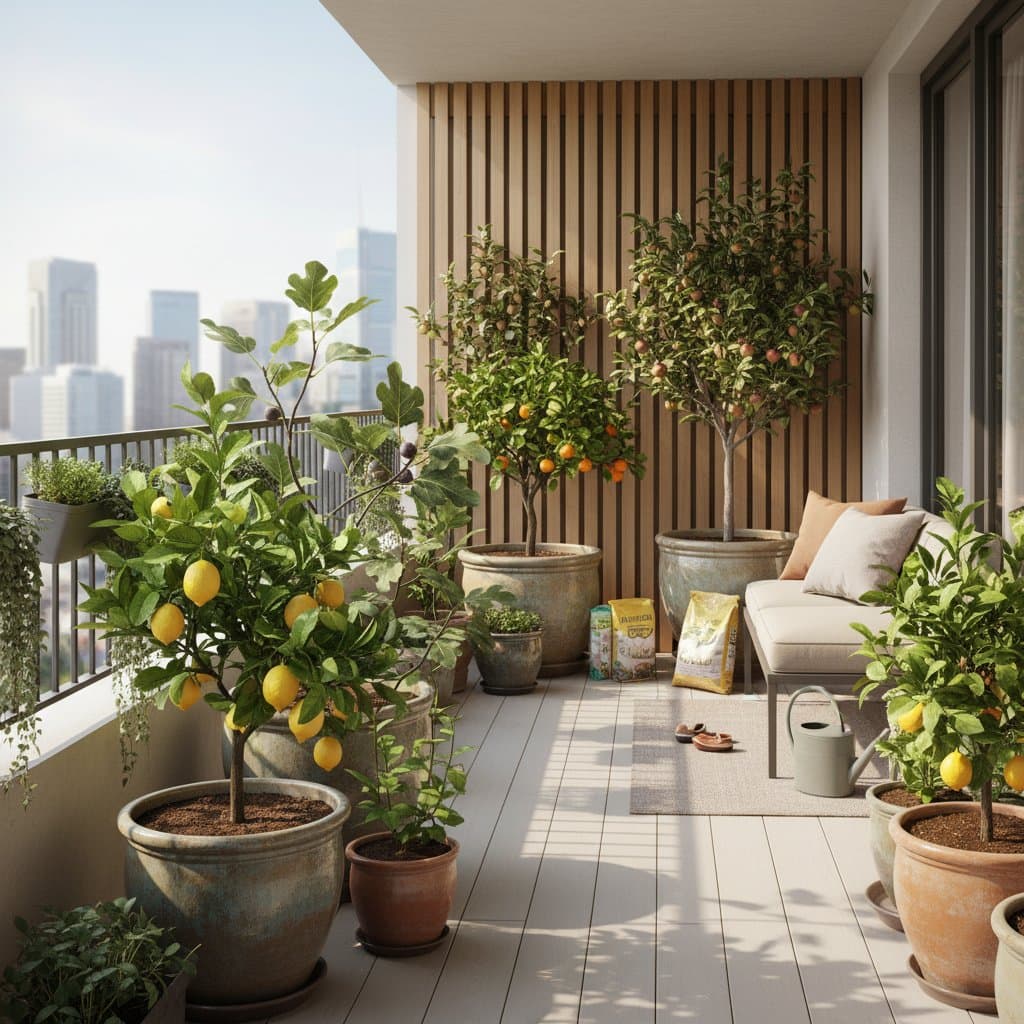
Transform Balconies into Micro-Orchards with Dwarf Trees
Picture your balcony as more than a spot for chairs and planters. With thoughtful planning, it becomes a compact orchard yielding fresh fruit, vibrant color, and tranquility. This guide explains how to establish a micro-orchard using dwarf fruit trees suited to containers. Readers gain insights into suitable varieties, installation methods, and ongoing care to sustain productivity in confined urban areas.
Overview
Dwarf fruit trees result from grafting onto specialized rootstocks that limit growth to 4 to 8 feet in height. This size accommodates balcony constraints while supporting substantial fruit production. Varieties span citrus, figs, apples, peaches, and cherries, offering diverse options for different climates and preferences.
These trees provide multiple advantages beyond fruit. They offer shade during hot months, release pleasant fragrances from blossoms, and foster a deeper seasonal awareness. A typical balcony setup supports two to five trees, each in a dedicated container. Proper arrangement ensures reliable yields and an aesthetically pleasing vista.
Essential Tools and Materials
Gather these items to launch your project efficiently.
- Containers: Select one per tree with 15- to 25-gallon capacity and drainage holes to prevent root rot.
- Potting mix: Opt for a formulated blend designed for fruit trees or citrus; steer clear of regular garden soil, which compacts easily.
- Fertilizer: Choose a slow-release, balanced formula like 10-10-10 to nourish roots steadily.
- Watering tool: Use a can or hose with a gentle nozzle to distribute water without eroding soil.
- Support elements: Include trellises or stakes for upright growth in varieties prone to bending.
- Mulch: Apply bark chips or compost to conserve moisture and suppress weeds.
- Pruning shears: Ensure they are sharp and sanitized to make clean cuts.
For balconies exposed to wind, incorporate bungee cords or plant ties to anchor pots securely to railings.
Step-by-Step Installation
Step 1: Assess Space and Plan Layout
Begin by measuring the balcony's floor area. Allocate approximately 3 feet of width per tree to allow canopy expansion. Maintain at least 12 inches between containers for access. Identify zones receiving a minimum of 6 hours of direct sunlight each day; south- or west-facing orientations prove ideal.
Step 2: Select Appropriate Trees
Select one or two varieties matched to your local climate and flavor preferences. Recommended options for beginners include:
- Meyer lemon or Calamondin orange for tangy citrus yields.
- Dwarf fig for its lush foliage and sweet, jammy fruit.
- Compact apple or mini peach for temperate regions.
Prioritize self-fertile cultivars to eliminate the need for cross-pollination partners. For varieties requiring pollinators, acquire at least two compatible plants.
Step 3: Prepare the Containers
Place a 1-inch layer of gravel or shattered pottery shards at the container base to enhance drainage. Fill with potting mix, reserving 2 inches at the top for irrigation. Position the tree so the root ball aligns with the soil surface, then fill surrounding space and firm gently to eliminate air pockets.
Step 4: Initial Watering and Stabilization
Irrigate gradually until excess water drains from the bottom. Secure the trunk to a stake if wind causes movement. Verify the setup's stability prior to further adjustments.
Step 5: Apply Fertilizer and Mulch
Distribute fertilizer granules around the base according to package instructions, typically 2 tablespoons per gallon of soil volume. Top with 1 inch of mulch, ensuring it does not touch the trunk to avoid rot.
Step 6: Initial Pruning
Immediately after planting, remove any damaged or intersecting branches. Shape the canopy to permit light penetration into the interior. Conduct routine pruning every few months to promote airflow and even development.
Safety Considerations
Transport heavy containers using a dolly or enlist assistance to avoid strain. Consult your building's guidelines on weight limits before placing multiple large pots. Position containers at least 6 inches from railings to minimize tipping risks during gusts.
Common Issues and Solutions
Yellowing leaves: This symptom often indicates overwatering. Allow the top 2 inches of soil to dry completely before the next session.
Limited fruit production: Increase fertilization frequency and verify adequate sunlight exposure.
Sticky secretions or ant presence: Inspect for scale insects and treat by wiping foliage with a mild soapy solution.
Drooping branches: Provide temporary staking until new growth strengthens the structure.
Ongoing Maintenance
During warm seasons, water two to three times per week, adjusting based on rainfall. In cooler periods, water once every 7 to 10 days. Apply fertilizer every two months while the tree shows active growth.
Repot trees every two to three years into vessels 2 inches larger in diameter. Loosen roots minimally during the process. Prune post-harvest to control size and form.
Wipe leaves periodically with a damp cloth to remove dust, boosting photosynthesis and deterring pests.
Winter Protection and Storage
In regions with freezing temperatures, relocate containers indoors or insulate with burlap and straw. Elevate pots on wooden platforms to shield roots from cold surfaces. For citrus, position near a south-facing window to maintain light levels.
Store unused pots inverted in a dry area. Seal excess potting mix in airtight containers. Disinfect pruning shears with rubbing alcohol and keep them dry.
Cost Breakdown and Time Investment
Establishing a balcony orchard proves economical.
- Trees: Dwarf specimens cost 30 to 60 dollars apiece.
- Containers: Prices range from 25 to 50 dollars based on material and size.
- Soil and fertilizer: Budget about 20 dollars per tree.
- Initial setup: Plan for two to three hours to install two trees.
Seasonal Care Schedule
Spring: Incorporate fresh compost, perform light pruning, and monitor emerging buds.
Summer: Provide deep watering, collect ripe fruit, and protect roots from intense heat with shading.
Fall: Taper fertilization, remove dead branches, and scan for insect activity.
Winter: Insulate or move pots, restrict watering, and evaluate expansion options.
Professional Assistance
Seek advice from a local arborist or nursery specialist if growth halts or fungal issues appear on roots or bark. Request evaluation of root vitality and soil pH levels.
Launch Your Balcony Orchard
- Step onto your balcony and identify sunlit areas with a tape measure.
- Purchase a single dwarf citrus or fig tree to initiate the collection.
- Acquire a durable 20-gallon container, premium potting mix, and slow-release fertilizer.
Within days, install your first tree. As the orchard develops, it supplies nourishment, purifies air, and delivers daily satisfaction from your urban haven.