
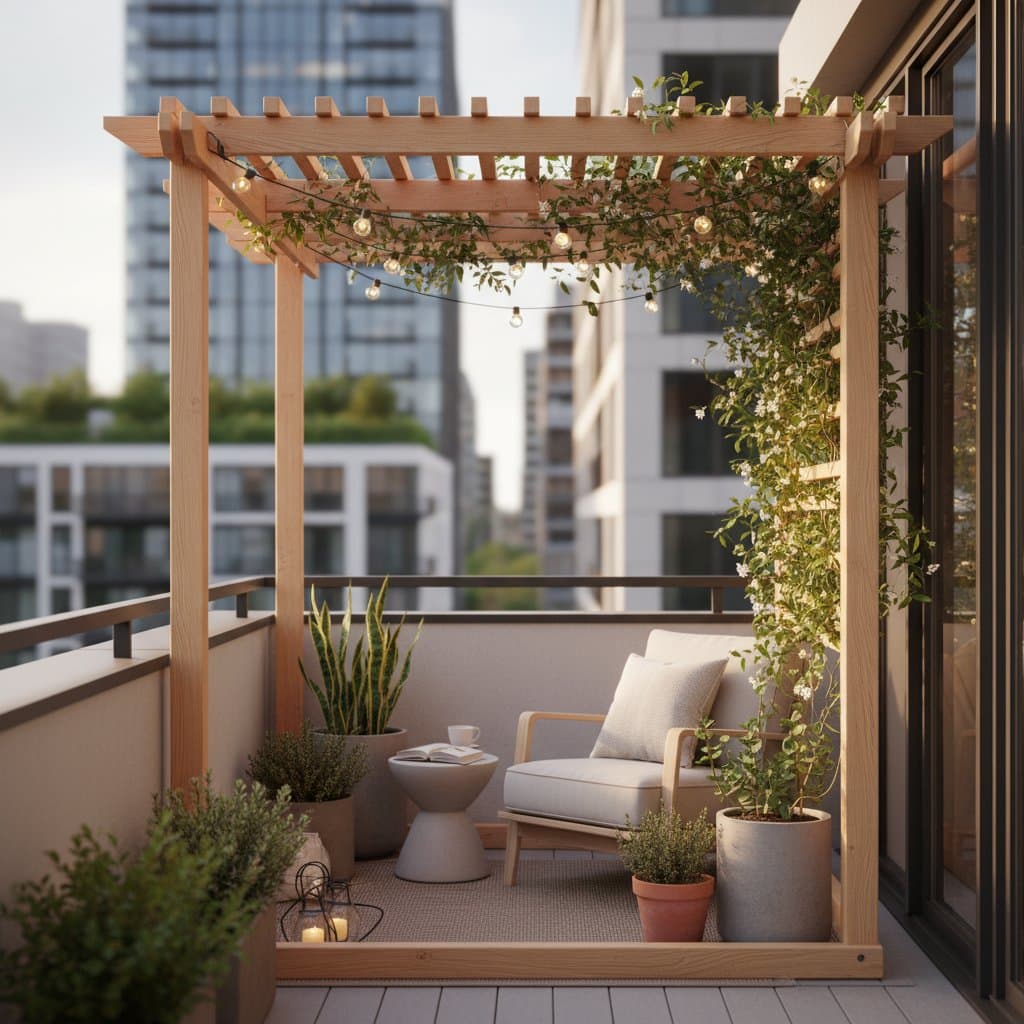
Introduction to Compact Pergolas for Urban Balconies
Urban dwellers often face the challenge of limited outdoor space, particularly on balconies narrower than six feet. A compact pergola addresses this by providing shade, privacy, and aesthetic appeal without overwhelming the area. These structures consist of an open lattice framework supported by posts, allowing light and air to filter through while creating a defined outdoor zone.
Ideal for apartments in cities like New York, compact pergolas adapt to tight spaces and comply with common building restrictions. They enhance usability for relaxation, dining, or gardening. Before starting, measure the balcony precisely, considering wind exposure and weight limits.
Planning and Materials
Successful installation begins with thorough planning. Assess the balcony's dimensions, ensuring the pergola fits within five feet wide and six feet long to stay under the six-foot width threshold. Factor in headroom; aim for seven feet of clearance to avoid a cramped feel.
Select durable, lightweight materials suited to urban conditions. For wood options, choose cedar or pressure-treated pine for weather resistance. Cedar offers natural rot protection but costs more, while pine provides an economical alternative. Metal frames, such as aluminum kits, resist rust and require minimal upkeep. Avoid heavy hardwoods that could strain balcony supports.
Gather these essentials:
- Four 4x4 posts, each six feet tall (cut to fit height requirements).
- 2x4 lumber for crossbeams (eight feet total length).
- 2x2 slats for the roof (20 feet total).
- Base brackets or planters for anchoring.
- Galvanized screws: 3-inch for beams, 2-inch for slats.
- Level, drill, saw, and clamps.
- Exterior stain, paint, or sealant.
Purchase from hardware stores or online suppliers specializing in outdoor structures. Kits simplify the process with pre-cut pieces.
Step-by-Step Construction Guide
Build the pergola in stages to maintain control and safety. Work with a partner for stability, especially when handling posts. Follow these steps for a sturdy, freestanding design that avoids permanent attachments.
1. Prepare the Base
Position four planters or base brackets at the corners of the designated area, spaced five feet apart for width and six feet for length. Fill planters with gravel for drainage, then insert posts into them. This method suits rentals, as it allows easy removal.
2. Set the Posts
Plumb each post using a level to ensure vertical alignment. Brace them temporarily with stakes or clamps. For added stability on suspended balconies, use quick-set concrete in the bases, allowing 24 hours to cure before proceeding.
3. Level and Secure
Confirm all posts stand plumb with a level. Tighten base connections using galvanized hardware. Adjust heights so the tops align at approximately six feet above the balcony floor, providing adequate overhead space.
4. Add Crossbeams
Place two 2x4 crossbeams across the front and back posts, securing with 3-inch galvanized screws driven through pre-drilled holes. Install two additional beams on the sides to complete a rectangular frame. Check for squareness by measuring diagonals; they should match.
5. Install Slats
Arrange 2x2 slats evenly across the frame, spacing them six inches apart to allow dappled sunlight. Fasten each with two 2-inch deck screws into the crossbeams. This configuration creates the signature pergola pattern while promoting airflow.
6. Finish and Seal
Sand all surfaces to remove splinters and rough spots. Apply an exterior-grade stain or paint using a brush for edges and a roller for flat areas. Allow 48 hours for full drying before adding accessories like fabrics or lighting.
7. Add Shade or Greenery
Secure a shade cloth or outdoor fabric over the top using clips or ties for adjustable coverage. For natural elements, train lightweight climbing plants such as jasmine or ivy along the posts. Prune regularly to prevent excessive weight on the structure.
Essential Safety Considerations
Safety forms the foundation of any balcony project. Consult local building codes or apartment management to obtain necessary approvals, as some structures require permits even on private balconies.
Limit the total weight to under 50 pounds per post to prevent overloading suspended decks. Conduct regular inspections, tightening fasteners every three months and checking for wood rot or metal corrosion. Maintain a clear distance from overhead power lines during construction; use insulated tools if working near electrical sources.
Install the pergola away from balcony edges to reduce fall risks. For added security, incorporate non-slip mats under bases.
Budget and Timeline Insights
Constructing a compact pergola under six feet wide typically costs between $150 and $400. Basic pine materials keep expenses low at the lower end, while premium cedar or metal kits approach $400. Additional finishes like stain add $30 to $50.
Assembly requires 4 to 6 hours for two people, excluding drying times. Plan for a weekend project, starting early to account for weather delays. Source materials in advance to avoid interruptions.
Common Troubleshooting Solutions
Address issues promptly to ensure longevity. If the structure wobbles, verify base squareness and tighten all screws; insert thin shims under posts for leveling.
On softer surfaces, reinforce planters with gravel or concrete to prevent sinking. For sagging shade fabric, attach grommets and use bungee cords for even tension across the frame.
Combat wood discoloration by reapplying sealant annually, protecting against UV rays and moisture. Replace any damaged slats immediately to maintain structural integrity.
Integrating Storage and Functionality
Maximize the pergola's utility in small spaces by incorporating storage. Install stainless steel hooks beneath crossbeams to hang lightweight tools, lanterns, or planters.
Add a slim 1x6 shelf between posts at waist height for holding potted herbs or beverages. Opt for foldable chairs that store neatly behind posts, preserving open floor space.
These adaptations keep the balcony organized and transform the pergola into a multifunctional feature.
Professional Assistance Options
Certain installations benefit from expert involvement. Engage a contractor for wall-mounted designs or those supporting heavy elements like motorized shades. Professionals verify secure anchoring and apply waterproofing to prevent leaks.
Labor costs range from $200 to $350, depending on complexity. In rental properties, consult management prior to work; many specialists offer temporary bases that adhere to lease terms without permanent alterations.
Ongoing Maintenance Practices
Regular care extends the life of a compact pergola. In spring, clean surfaces with mild soap and water, then inspect joints for wear and refresh paint if needed.
During summer, trim climbing plants and adjust fabric tension. In fall, clear debris from slats and reapply stain to faded areas. For winter, remove coverings to avoid snow accumulation, allowing the bare frame to weather naturally.
Consistent attention ensures the structure lasts 5 to 8 years with only minor refinishing.
Adapting to Seasons
Tailor the pergola to seasonal changes for year-round enjoyment. In summer, install 50 percent shade cloth to balance sun protection and natural light.
For cooler periods, replace fabric with transparent plastic sheeting to block wind while preserving views. Illuminate evenings with solar-powered string lights draped along beams.
Store spare parts in airtight containers indoors to protect from elements.
Expert Recommendations
Achieve professional results with these techniques. Pre-drill all holes to avoid wood splitting and streamline assembly.
Label components with tape to track orientations. Secure boards with clamps during fastening for precise joints.
Standardize hardware types for straightforward future repairs. Select lightweight vines like clematis if incorporating greenery, avoiding strains on the frame.
Creating Your Outdoor Retreat
A compact pergola unlocks the potential of narrow balconies, delivering shade, seclusion, and versatility. Measure carefully, select appropriate materials, and follow secure building practices. This simple addition fosters moments of relaxation and connection with nature in urban settings.