
Loading...

Skip to main content
Urban Outdoors
Search
Home
  1. Home
  2. /
  3. Small-Space Gardens
  4. /
  5. Turn Your Balcony Into a Pollinator Stopover
Small-Space Gardens

Turn Your Balcony Into a Pollinator Stopover

byDawn Hayden
2026-01-17 04:26:37January 17, 2026
5 min read
Featured image for Turn Your Balcony Into a Pollinator Stopover

Categories

Navigation

  • Home
  • All Articles
  • About Us
  • Privacy Policy
  • Terms of Service

© 2026 Urban Outdoors. Crafted for bold city dwellers.

2026-01-17 04:26:37
Urban Outdoors - Small-Space Gardens, Rooftop Decks, Balconies, Decks, Backyard Design

Introduction to Balcony Pollinator Gardens

Urban living often limits access to nature, yet balconies offer untapped potential for supporting local ecosystems. Pollinators such as bees, butterflies, and hummingbirds play essential roles in food production and biodiversity, but they face challenges in cities due to habitat loss. By creating a pollinator stopover on your balcony, you contribute to their survival while enjoying the beauty and tranquility of a living garden.

This guide provides step-by-step instructions to establish a simple, effective habitat. Focus on native plants that thrive in urban conditions, ensure access to water, and maintain the space with ease. The result is a rewarding project that connects you to the natural world amid city surroundings.

Budget Breakdown

Establishing a balcony pollinator hub requires minimal investment. Allocate funds as follows for a basic setup serving a small space:

  • Soil and pots: fifteen dollars
  • Plants: twenty dollars for six starter pots of native species
  • Miscellaneous items (labels, shallow dish for water, pebbles): five dollars

Total cost remains under forty dollars, leaving room in the seventy-dollar budget for expansions like additional containers. Source materials from local nurseries or online suppliers specializing in native flora to ensure quality and support regional economies.

Step-by-Step Setup Guide

Preparation forms the foundation of a successful pollinator garden. Begin by assessing your balcony's conditions to select appropriate elements.

Assess Space and Sunlight

Measure your balcony's dimensions and observe sunlight patterns throughout the day. Most pollinators prefer full sun or partial shade, so note areas receiving at least six hours of direct light. Consider wind exposure, as strong gusts can damage delicate plants; position taller pots to act as windbreaks if necessary.

Select Native Plants

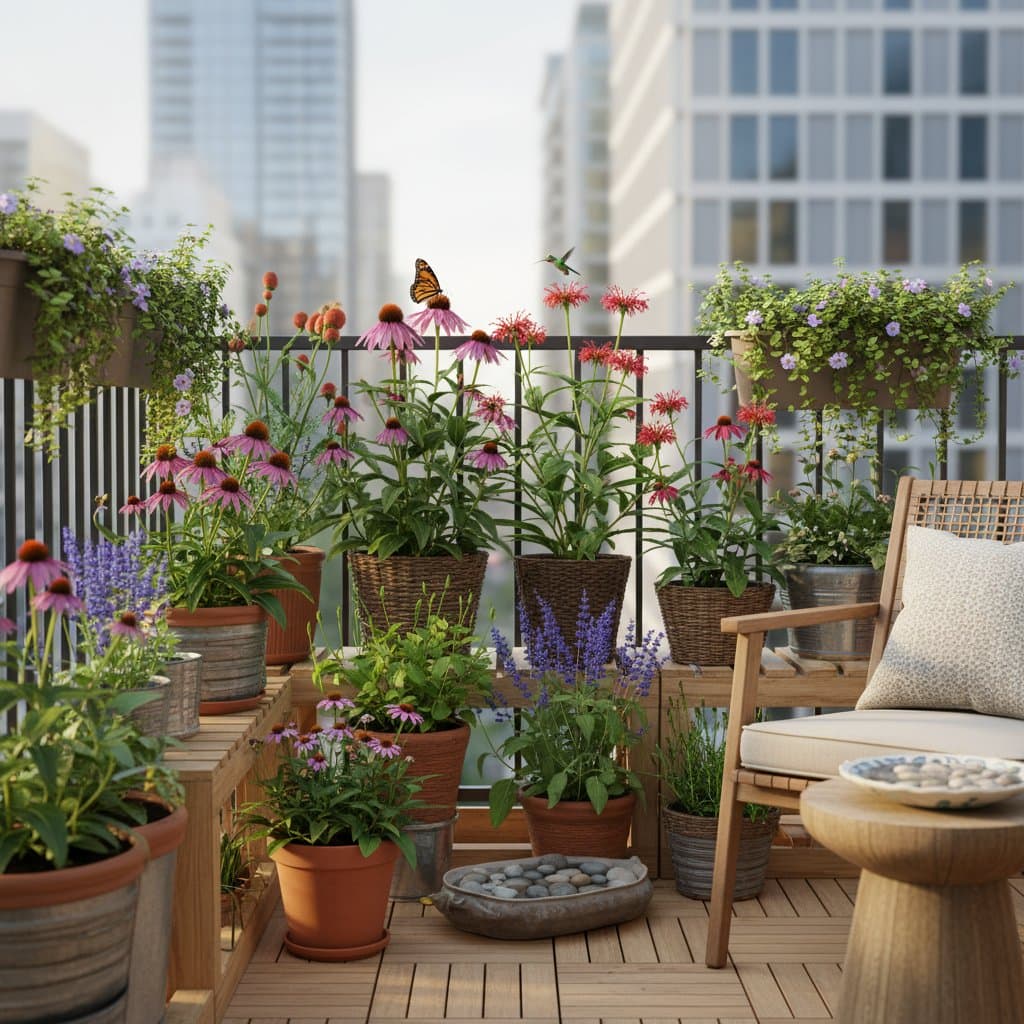
Choose plants adapted to your local climate for best results. In New York City regions, opt for species like black-eyed Susan, bee balm, and milkweed, which bloom sequentially to provide continuous nectar. Acquire three to six starter pots, ensuring a mix of heights and colors to appeal to various pollinators. These plants require little fertilizer and resist urban pollutants effectively.

Prepare Containers and Soil

Select pots with drainage holes to prevent root rot. Fill them with a well-draining potting mix enriched with compost for nutrients. Arrange containers in clusters to mimic natural habitats, placing them securely to avoid tipping. Add a shallow dish filled with pebbles and water nearby, creating a safe sipping spot for insects without drowning risk.

Setup requires approximately two hours, from soil preparation to initial watering. Position the water source away from plants to reduce mosquito breeding, refreshing it daily during warm weather.

Maintenance Essentials

Ongoing care keeps your pollinator hub thriving with minimal effort. Dedicate less than fifteen minutes weekly to sustain months of ecological benefits and visual appeal.

Watering and Pruning

Water plants deeply once or twice per week, depending on weather and pot size. Check soil moisture by inserting a finger an inch deep; water if it feels dry. Prune dead flowers to encourage new blooms, but leave some seed heads for birds and future planting.

Pest Management

Monitor for aphids or spider mites, common in urban settings. Introduce natural predators like ladybugs if infestations occur, or use a mild soap solution for gentle control. Avoid chemical pesticides, as they harm pollinators; instead, promote biodiversity to maintain natural balance.

Seasonal Care Strategies

Adapt your routine to seasonal changes for year-round success. Each phase builds on the previous to ensure sustained habitat value.

Early Season Preparation

In spring, start seeds indoors under grow lights if budget constraints apply. Transplant seedlings outdoors after the last frost, when nighttime temperatures exceed fifty degrees Fahrenheit. Sterilize reused containers with a vinegar solution and inspect for damage to promote healthy growth.

Mid-Season Monitoring

During summer, observe pollinator visits to identify effective plants. Keep a simple journal noting peak activity times and favored flowers. This data informs future selections, allowing you to refine the garden for maximum impact.

Late-Season Harvest

As autumn arrives, harvest seeds from faded blooms like coneflowers or asters. Dry them thoroughly and store in paper envelopes in a cool, dark location. These seeds can reseed your balcony or share with community gardens the following year.

Professional Assistance When Needed

Most balcony gardens manage easily without experts, but certain issues warrant outside help. For persistent pests or soil diseases, consult a local extension service or garden center for targeted, eco-friendly solutions. If adding heavy elements like large planters, verify your building's weight capacity with management or a structural engineer to ensure safety.

Essential Principles for Success

The foundation of an effective pollinator stopover lies in three core elements. Prioritize native plants that provide familiar food sources. Supply clean, shallow water to quench thirst without hazard. Eliminate chemical interventions to protect visiting species.

This approach not only aids pollinators but also fosters personal well-being. Observing these creatures in action offers therapeutic benefits, fostering a deeper appreciation for urban nature's resilience.

Actionable Steps Forward

  1. Track sunlight exposure on your balcony for a full day to match plants to conditions.
  2. Purchase three native species with staggered bloom periods for consistent attraction.
  3. Assemble containers with proper drainage and install a pebble-lined water feature.

Your initiative contributes to a broader urban mosaic of habitats. Even modest efforts on limited space strengthen the ecological fabric, promoting vibrant, sustainable city environments.

You Might Also Like

Plants Cut City Noise With Layers and Smart Placement

Turning Nine Square Feet Into a Pollinator Haven

Why Wildflower Balconies Supercharge Urban Pollinators

Drop Rooftop Temps 20°F With Shade and Airflow

Plants That Cut City Noise by Half in Small Yards

Tagged:

plants,native plants,biodiversity,pollinator gardens,urban,gardens,native,pollinator,urban-biodiversity

Recent by Dawn Hayden

Image for Solar Shades Block Heat While Powering Your Balcony

Solar Shades Block Heat While Powering Your Balcony

Jan 16, 2026
Image for Shape Your Balcony Weather for Year-Round Comfort

Shape Your Balcony Weather for Year-Round Comfort

Jan 16, 2026
Image for Shaping Your Balcony's Mini Weather System

Shaping Your Balcony's Mini Weather System

Jan 14, 2026
Image for AI Garden Cams Catch Plant Problems Before They Spread

AI Garden Cams Catch Plant Problems Before They Spread

Jan 14, 2026

plants

Image for Plants Cut City Noise With Layers and Smart Placement

Plants Cut City Noise With Layers and Smart Placement

Jan 17, 2026
Image for Plants That Cut City Noise by Half in Small Yards

Plants That Cut City Noise by Half in Small Yards

Jan 8, 2026
Image for Small Balcony Spaces That Support Bees and Butterflies

Small-Space Gardens

Plants Cut City Noise With Layers and Smart Placement

Convert urban balconies or courtyards into tranquil refuges with sound-absorbing plants. Discover layering techniques featuring bamboo, evergreens, and grasses to diffuse noise, plus essential tips on selection, positioning, care, and affordability for compact green spaces.

Jan 17, 2026

Turn Your Balcony Into a Pollinator Stopover

Convert your balcony into a vibrant pollinator habitat that draws in bees, butterflies, and hummingbirds. Employ native plants, fresh water sources, and basic containers to promote urban biodiversity, improve air quality, and establish a serene green oasis, all achievable for less than seventy dollars with minimal weekly maintenance.

Jan 17, 2026

Dwarf Fruit Trees Turn Tiny Balconies into Orchards

Even the tiniest balcony can become a productive orchard with dwarf fruit trees. Compact options like Meyer lemon and dwarf apple varieties yield full-sized fruit in containers. This guide provides essential steps for setup, ongoing care, and troubleshooting to help city dwellers cultivate fresh produce just steps from their living spaces.

Categories

Balcony Design(133)
Deck Construction & Remodeling(131)
Small-Space Gardens(50)
Rooftop Decks(46)
Backyard Design(17)

Small Balcony Spaces That Support Bees and Butterflies

Jan 8, 2026
Image for Night Gardens That Glow After Dark in Small Spaces

Night Gardens That Glow After Dark in Small Spaces

Jan 4, 2026
Image for Acoustic Panels Cut Urban Deck Noise Without Walls

Acoustic Panels Cut Urban Deck Noise Without Walls

Jan 2, 2026
Jan 15, 2026

Turning Nine Square Feet Into a Pollinator Haven

Convert a modest 3x3 balcony into a dynamic micro-meadow that supports bees, butterflies, and birds. This comprehensive guide explains the process of designing, planting, and sustaining a lightweight, low-maintenance native plant habitat that delivers seasonal blooms, tranquility, and environmental benefits to city dwellers.

Jan 15, 2026

AI Garden Cams Catch Plant Problems Before They Spread

AI garden cameras leverage smart sensors and machine learning to track plant health, identify stress indicators promptly, and provide targeted care recommendations. This comprehensive guide covers device selection, installation procedures, data interpretation, and optimization strategies for watering and lighting, enabling urban gardeners to sustain healthy plants with reduced uncertainty and minimal effort.

Jan 14, 2026

Why Wildflower Balconies Supercharge Urban Pollinators

Convert your balcony into a buzzing mini-ecosystem that sustains urban pollinators. Explore native wildflower choices, efficient container arrangements, and simple maintenance routines to build lasting habitats in compact city areas. Gain insights into budget-friendly supplies, time commitments, and year-round strategies for a pollinator paradise.

Jan 12, 2026

AI Sensors Stop Deck Plants From Drying Out

AI sensors revolutionize deck gardening with automated watering based on real-time environmental data. This comprehensive guide covers installation, calibration, troubleshooting, and maintenance to ensure thriving plants, water savings, and minimal effort in compact urban spaces.

Jan 9, 2026

Plants That Cut City Noise by Half in Small Yards

Convert urban clamor into peaceful garden ambiance through targeted planting. Understand how thick foliage captures and diffuses noise, transforming compact areas into restorative sanctuaries. This guide covers noise assessment, plant selection, and layered arrangements for an efficient, affordable acoustic shield that enhances city living.

Jan 8, 2026

Aeroponic Towers Grow 20 Plants on a Balcony

Elevate your balcony into a productive, soil-free garden using aeroponic towers by 2026. This comprehensive guide covers mist-based vertical farming for greens and herbs, emphasizing efficient space use, reduced water consumption, and simple upkeep. Discover assembly steps, care protocols, safety measures, and budget tips for continuous harvests at your doorstep.

Jan 6, 2026

Drip System Waters 50 Pots on One Timer

Elevate your urban balcony garden using a straightforward DIY drip irrigation setup that automates watering for more than 50 pots. This guide covers zone planning, material selection, and installation in just a few hours for less than $150. Benefit from water conservation, reduced plant stress, and reliable, automated care ideal for time-strapped city dwellers.

Jan 4, 2026

Acoustic Garden Walls Block Noise on Small Balconies

Convert a bustling city balcony into a tranquil haven using an acoustic garden wall. This guide details methods to absorb noise, integrate lush greenery, maintain ventilation, and incorporate stylish privacy elements. Explore essential tools, materials, plant selections, and efficient storage solutions to create an affordable outdoor sanctuary over a single weekend.

Jan 1, 2026

Solar Drip Kits Water Plants Without Electricity

Harness solar energy for automatic plant watering with drip kits designed for urban spaces. This comprehensive guide covers installation from pump connection to final tweaks, plus safety, maintenance, and tips to ensure thriving rooftop and balcony greenery with minimal effort.

Dec 30, 2025

Native Wildflowers Feed Urban Pollinators Year-Round

Convert a compact balcony into a vital habitat for pollinators with native wildflowers. Select hardy local varieties, design container layouts for continuous blooms, and draw in bees, butterflies, and hummingbirds. This approach requires few resources and delivers sustainable color and ecological benefits to city dwellers.

Dec 23, 2025

Native Grasses Create Urban Pollinator Stops on Balconies

Convert your city balcony into a vibrant mini-meadow with resilient native grasses that draw in bees, butterflies, and birds. This guide covers selecting appropriate species, container arrangement, and low-maintenance care to foster an urban ecosystem with ease and affordability.

Dec 22, 2025

Smart Irrigation Cuts Deck Garden Watering by 30 Percent

Convert your deck garden into a low-maintenance retreat using a smart irrigation system managed from your phone. This guide details planning, installation, and upkeep for automated watering that conserves resources, promotes plant health, and frees your schedule for enjoyment.

Dec 20, 2025

Grow Fresh Mushrooms in a Shaded Balcony Corner

Shaded balconies become mushroom havens in urban settings, offering quick, affordable ways to cultivate fresh fungi. This comprehensive guide details setup, daily care, safety essentials, and solutions to common challenges, enabling renters to enjoy homegrown produce in mere weeks.

Dec 15, 2025

Pocket Pergolas Bring Micro Shade to Tight Patios

Elevate small patios with pocket pergolas, compact wall-mounted shades that deliver style and relief from sun. This guide covers measurement, assembly, troubleshooting, and care for a seamless DIY project yielding a breezy, private outdoor haven.

Dec 8, 2025

Self-Watering Systems That Cut Balcony Work in Half

Convert your balcony into a low-maintenance haven using self-watering systems. Discover how drip irrigation, timers, and sensors ensure optimal hydration, conserving time and resources while fostering year-round sustainable growth.

Dec 7, 2025

AI Irrigation Cut My Deck Water Use by 70 Percent

Convert a water-intensive deck garden into an efficient, sustainable space using AI irrigation. This technology employs soil sensors and real-time analytics to decrease water consumption by up to 70 percent, while promoting plant health and simplifying maintenance. Discover essential tools, installation procedures, upkeep advice, and expense details for year-round automated hydration.

Dec 4, 2025

Smart Drip Systems Keep Balcony Gardens Thriving

Turn your compact balcony into a lush retreat using smart drip irrigation. This comprehensive guide details how automated systems provide targeted hydration, minimize water waste, and support plant vitality during hectic schedules. Discover essential setup instructions, required tools, ongoing care advice, and cost-effective strategies for sustainable, flourishing greenery.

Dec 3, 2025
Transform Balcony into Pollinator Haven | Urban Gardening Tips NYC | Urban Outdoors - Small-Space Gardens, Rooftop Decks, Balconies, Decks, Backyard Design