
Loading...

Grow 30 Plants in 2 Feet: Aeroponic Nutrient Mist Towers for Balconies | urbanoutdoorsnyc.com | Urban Outdoors - Small-Space Gardens, Rooftop Decks, Balconies, Decks, Backyard Design
Skip to main content
Urban Outdoors
Search
Home
  1. Home
  2. /
  3. Small-Space Gardens
  4. /
  5. Grow 30 Plants in 2 Feet Using Nutrient Mist
Small-Space Gardens

Grow 30 Plants in 2 Feet Using Nutrient Mist

bySheila Spaulding
2026-02-01 04:42:56February 1, 2026
5 min read
Featured image for Grow 30 Plants in 2 Feet Using Nutrient Mist

Categories

Navigation

  • Home
  • All Articles
  • About Us
  • Privacy Policy
  • Terms of Service

© 2026 Urban Outdoors. Crafted for bold city dwellers.

2026-02-01 04:42:56
Urban Outdoors - Small-Space Gardens, Rooftop Decks, Balconies, Decks, Backyard Design

Grow Abundant Crops on Soil-Free Balcony Towers by 2026

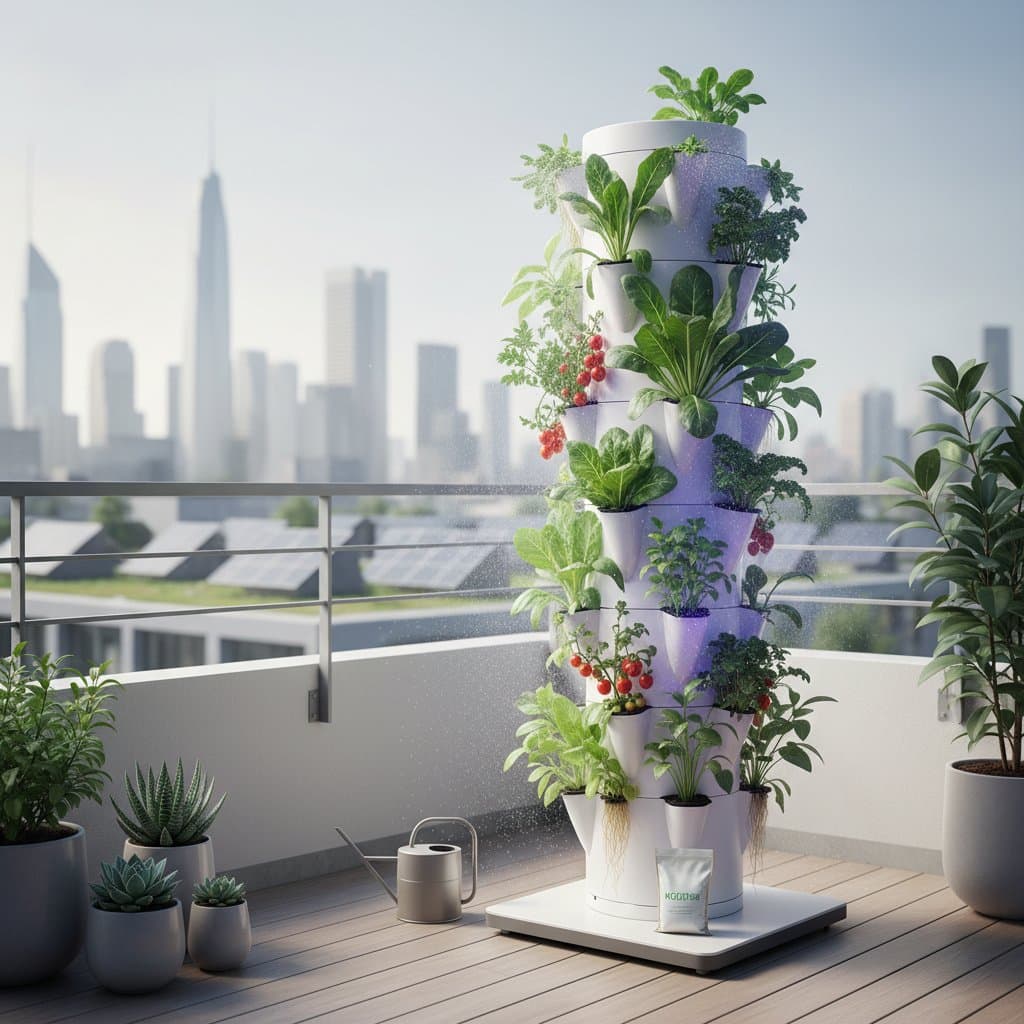
Your balcony might measure only two feet wide, yet it holds the potential to yield a full season of greens, herbs, and vegetables without any soil. Aeroponic towers deliver nutrients through a fine mist, allowing plants to thrive in vertical layers within compact spaces. This approach enables you to grow food directly where you live, conserve water, and eliminate the mess of dirt. Begin with a modest setup today, and expand your system progressively to achieve reliable harvests by 2026.

This guide outlines the process for selecting, constructing, and maintaining a soil-free balcony tower. You will discover essential tools to gather, strategies for ensuring safety, and techniques for achieving consistent yields throughout the year.

Tools and Materials

Assemble a basic aeroponic tower using everyday supplies combined with a few key components. Gather the following items prior to construction:

Core materials

  • A pre-made vertical tower kit or a 4-inch (10 cm) diameter PVC pipe section, approximately 5 feet (1.5 m) in height.
  • Twenty to thirty 2-inch (5 cm) net pots, sized to fit your tower's capacity.
  • A submersible water pump capable of circulating 250 gallons per hour to ensure adequate mist distribution.
  • A 10-gallon (38-liter) reservoir bucket to hold the nutrient solution.
  • At least six fine mist nozzles positioned for uniform coverage across all plant sites.
  • A nutrient solution formulated specifically for leafy greens or herbs, with balanced NPK ratios.
  • Flexible tubing to connect water lines and, if needed, air lines for enhanced oxygenation.

Tools

  • A drill equipped with a 2-inch hole saw attachment for creating net pot openings.
  • A measuring tape to verify precise spacing and alignment.
  • Waterproof sealant to secure joints and prevent leaks.
  • A small screwdriver set for assembling fittings and timers.
  • An electronic timer to automate misting cycles, typically set for short bursts.

Safety gear

  • Gloves to protect hands during drilling and sealing tasks.
  • Safety goggles to shield eyes from debris.
  • A mask for use when preparing nutrient mixtures to avoid inhalation of particles.

Plan for a budget of $100 to $250, influenced by the quality of components and overall tower scale. The water pump and timer represent the primary expenses, as they drive the system's automation.

Safety Tips

Electricity and water require careful separation to prevent hazards. Position power cords elevated from the floor and connect to weatherproof outlets equipped with ground fault circuit interrupters.

Prevent accidents by addressing spills immediately in the reservoir vicinity. Secure the tower structure to a railing or wall bracket, particularly in areas prone to wind gusts.

Wear gloves whenever handling nutrient solutions to minimize skin contact and potential irritation. Always unplug the pump before performing maintenance or adjustments to avoid electrical risks.

Budget and Time

Constructing a single-tower system demands approximately four hours once materials are assembled. The initial crop cycle spans four to six weeks, varying by plant type; leafy greens such as lettuce and kale mature more rapidly than vining varieties.

Cost breakdown

  • Tower materials: $40 to $80.
  • Pump and timer: $50 to $70.
  • Nutrients and pH testing kit: $20 to $30.
  • Seedlings or plugs: $10 to $20.

A complete setup typically costs around $150. Expect monthly expenses for nutrient replenishment at about $15, with electricity consumption remaining low, often below $2 per month.

Seasonal Reminders

Warm Seasons

Increase misting frequency to every 10 minutes to support higher evaporation rates. Apply a shade cloth over the tower if leaf tips exhibit scorching. Harvest outer leaves every three to four weeks to promote continuous regrowth and bushier plants.

Cool Seasons

Adjust mist cycles to shorter intervals to avoid excess moisture buildup. Relocate the reservoir to a protected area to prevent freezing temperatures. Install a small aquarium heater if solution temperatures fall below 60°F (16°C), maintaining optimal root health.

Rainy Conditions

Decrease misting intervals to counteract external humidity and reduce root rot risks. Encase electrical elements in waterproof covers for added protection. Drain any accumulated water from the base tray promptly to maintain a dry foundation.

When to Call a Professional

Seek expert assistance if your electrical outlet requires waterproofing or rewiring to meet safety codes. Consult a technician for persistent pump failures despite thorough cleaning.

Address any signs of mold growth or structural weaknesses at the balcony's base immediately. Request verification that the outlet includes a ground fault circuit interrupter, which interrupts power flow to prevent shocks in wet environments.

Key Takeaways

Aeroponic towers support up to 30 plants within less than four square feet of space. Routine cleaning and pH monitoring resolve the majority of operational challenges.

A reliable timer and pump render the system largely automated, requiring minimal daily intervention. Begin with one tower and incorporate additional units as your confidence and space allow.

Urban gardeners frequently note the rapid recovery of plants from environmental stress once misting parameters are optimized. Roots respond to steady air and moisture exposure, resuming vigorous growth within a single day. This resilience simplifies balcony cultivation amid variable weather patterns.

Pro Tips for Success

Begin with forgiving crops like lettuce, basil, and mint, which establish quickly in aeroponic environments. Reserve more demanding fruiting plants for subsequent cycles after gaining experience.

Maintain a log of nutrient concentrations, mist durations, and plant performance to identify effective patterns across multiple harvests.

Examine all connections monthly; minor leaks can deplete resources and damage surfaces. Tighten fittings as needed to ensure efficiency.

Opt for filtered water to prevent mineral buildup that clogs nozzles; an inexpensive carbon filter, costing around $20, addresses common tap water issues.

Periodically rotate plant positions, elevating taller specimens to optimize light access for lower-level foliage.

Achieving Year-Round Yields

As your initial harvest approaches, you will master the interplay of light exposure, mist delivery, and nutrient balance for robust production. Over successive seasons, your balcony transforms into a dependable source of fresh greens, sufficient for regular meals, all without soil management or strenuous labor.

You Might Also Like

Watering 50+ Pots From a Single Faucet

Stop Balcony Noise With Layers That Block and Absorb Sound

Simple Drip Systems That Water While You Work

How Urban Gardens Cut City Noise by 70%

Cool Balconies 15° Cheaper with Micro-Misting Systems

Tagged:

gardening,gardens,vertical,balcony,free,soil,aeroponic,aeroponic-gardening,soil-free-balcony-gardens

Recent by Sheila Spaulding

Image for Solar Pavers Convert Steps and Sunlight Into Power

Solar Pavers Convert Steps and Sunlight Into Power

Feb 2, 2026
Image for Mycelium Boards Replace Wood in Sustainable Decking

Mycelium Boards Replace Wood in Sustainable Decking

Feb 1, 2026
Image for Solar Pergolas Turn Small Patios Into Power Sources

Solar Pergolas Turn Small Patios Into Power Sources

Feb 1, 2026
Image for Stop Balcony Noise With Layers That Block and Absorb Sound

Stop Balcony Noise With Layers That Block and Absorb Sound

Jan 31, 2026
Image for Micro Wind Turbines Turn Balcony Breezes Into Power

Micro Wind Turbines Turn Balcony Breezes Into Power

Jan 30, 2026

gardening

Image for Aeroponic Towers Fit Full Veggie Gardens in 4 Feet

Aeroponic Towers Fit Full Veggie Gardens in 4 Feet

Jan 24, 2026
Image for Balcony Microclimates That Triple Your Harvest

Balcony Microclimates That Triple Your Harvest

Jan 23, 2026
Image for Automate Your Balcony Garden and Save 15 Minutes Daily

Small-Space Gardens

Watering 50+ Pots From a Single Faucet

Convert your balcony's potted plants into a low-maintenance green haven using a micro-drip irrigation system. This practical guide details automatic watering for more than 50 pots, eliminating daily tasks while ensuring optimal hydration. Explore essential tools, installation from testing to timing, plus solutions for common issues and upkeep strategies for sustained success.

Feb 2, 2026

Grow 30 Plants in 2 Feet Using Nutrient Mist

Transform a narrow balcony into a productive aeroponic farm by 2026. These soil-free towers support up to 30 plants with efficient nutrient mist, delivering year-round greens while minimizing water use, space demands, and maintenance.

Feb 1, 2026

Simple Drip Systems That Water While You Work

Elevate your urban balcony garden with a simple, app-free micro drip irrigation system. This practical guide covers tools, installation steps, troubleshooting, and maintenance to ensure reliable watering and vibrant plants, even during busy schedules.

Jan 31, 2026

Categories

Deck Construction & Remodeling(158)
Balcony Design(146)
Small-Space Gardens(63)
Rooftop Decks(50)
Backyard Design(18)

Automate Your Balcony Garden and Save 15 Minutes Daily

Jan 17, 2026
Image for Solar Drip Kits Water Your Deck Plants Automatically

Solar Drip Kits Water Your Deck Plants Automatically

Jan 13, 2026
Image for Aeroponic Towers Grow 20 Plants on a Balcony

Aeroponic Towers Grow 20 Plants on a Balcony

Jan 6, 2026

How Urban Gardens Cut City Noise by 70%

Convert your bustling urban garden into a tranquil haven using layered vegetation and sound-dampening materials. This comprehensive guide details how evergreens, grasses, mulch, and permeable surfaces can diminish noise by up to 70 percent, fostering a soothing space that filters out urban clamor while enhancing natural serenity.

Jan 31, 2026

Living Sound Filters for City Apartments

Convert urban clamor into tranquility using acoustic plants as living sound barriers. This guide details optimal plant selection, strategic placement, and upkeep for effective noise reduction in tight city dwellings. Affordable and aesthetically pleasing, these green solutions deliver enduring calm without major alterations.

Jan 30, 2026

Mini Bog Gardens Bring Wetland Habitats to Balconies

Turn a standard balcony into a vibrant mini bog garden that mimics natural wetlands. Assemble a self-sustaining system with layered substrates, precise watering techniques, and native plants to foster biodiversity and create an engaging urban green space.

Jan 28, 2026

Why Shade Apps Unlock Perfect Balcony Gardens

Elevate your balcony garden using shade apps to precisely map sunlight exposure. Gain insights on plant selection for specific light zones, easy scanning techniques, and cost-effective tools. Uncover strategies for seasonal adjustments to cultivate a vibrant, sustainable urban oasis.

Jan 28, 2026

Microclimate Pods Extend Growing Season on Balconies

Turn your balcony or rooftop into a productive garden that defies seasonal limits with microclimate pods. These innovative enclosures maintain optimal warmth, humidity, and airflow. Follow this comprehensive guide for construction, plant selection, safety measures, and ongoing care to harvest greens and herbs throughout the year.

Jan 26, 2026

Three Square Feet of Balcony That Feeds Urban Bees

In the heart of urban living, three square feet of balcony can become a thriving haven for bees. This guide details plant selections, container arrangements, and maintenance practices to attract pollinators throughout the year. With modest investment and simple routines, your compact space contributes to healthier ecosystems and serene outdoor moments.

Jan 25, 2026

Aeroponic Towers Fit Full Veggie Gardens in 4 Feet

Convert a compact balcony into a productive, soil-free vegetable garden using aeroponic towers. This detailed guide covers planning, assembly, and maintenance for a lightweight system that delivers abundant yields while fitting urban constraints like limited space and sunlight.

Jan 24, 2026

Balcony Microclimates That Triple Your Harvest

Transform your balcony garden by identifying and leveraging microclimates—warm pockets, windy perimeters, and shaded retreats—that influence plant success. Map exposure to light, air, and temperature; assign suitable crops to zones; and adapt seasonally for a bountiful, year-round harvest in compact settings.

Jan 23, 2026

Balcony Mushroom Farms That Pay for Themselves

Transform your shaded balcony into a profitable mushroom farm producing gourmet varieties like oyster and shiitake. This guide covers setup, maintenance, harvesting, and sales strategies to generate steady income from urban space with minimal effort.

Jan 21, 2026

Acoustic Walls Cut Neighbor Noise Without Renovating

Achieve tranquility in bustling urban environments through acoustic walls, strategic sealing, and sound-absorbing plants. This guide provides practical installation steps, affordable material recommendations, and maintenance tips to create a serene home without extensive renovations.

Jan 18, 2026

Plants Cut City Noise With Layers and Smart Placement

Convert urban balconies or courtyards into tranquil refuges with sound-absorbing plants. Discover layering techniques featuring bamboo, evergreens, and grasses to diffuse noise, plus essential tips on selection, positioning, care, and affordability for compact green spaces.

Jan 17, 2026

Turn Your Balcony Into a Pollinator Stopover

Convert your balcony into a vibrant pollinator habitat that draws in bees, butterflies, and hummingbirds. Employ native plants, fresh water sources, and basic containers to promote urban biodiversity, improve air quality, and establish a serene green oasis, all achievable for less than seventy dollars with minimal weekly maintenance.

Jan 17, 2026

Dwarf Fruit Trees Turn Tiny Balconies into Orchards

Even the tiniest balcony can become a productive orchard with dwarf fruit trees. Compact options like Meyer lemon and dwarf apple varieties yield full-sized fruit in containers. This guide provides essential steps for setup, ongoing care, and troubleshooting to help city dwellers cultivate fresh produce just steps from their living spaces.

Jan 15, 2026

Turning Nine Square Feet Into a Pollinator Haven

Convert a modest 3x3 balcony into a dynamic micro-meadow that supports bees, butterflies, and birds. This comprehensive guide explains the process of designing, planting, and sustaining a lightweight, low-maintenance native plant habitat that delivers seasonal blooms, tranquility, and environmental benefits to city dwellers.

Jan 15, 2026

AI Garden Cams Catch Plant Problems Before They Spread

AI garden cameras leverage smart sensors and machine learning to track plant health, identify stress indicators promptly, and provide targeted care recommendations. This comprehensive guide covers device selection, installation procedures, data interpretation, and optimization strategies for watering and lighting, enabling urban gardeners to sustain healthy plants with reduced uncertainty and minimal effort.

Jan 14, 2026

Why Wildflower Balconies Supercharge Urban Pollinators

Convert your balcony into a buzzing mini-ecosystem that sustains urban pollinators. Explore native wildflower choices, efficient container arrangements, and simple maintenance routines to build lasting habitats in compact city areas. Gain insights into budget-friendly supplies, time commitments, and year-round strategies for a pollinator paradise.

Jan 12, 2026

AI Sensors Stop Deck Plants From Drying Out

AI sensors revolutionize deck gardening with automated watering based on real-time environmental data. This comprehensive guide covers installation, calibration, troubleshooting, and maintenance to ensure thriving plants, water savings, and minimal effort in compact urban spaces.

Jan 9, 2026