
Loading...

AI Plant Sensors Send Text Care Reminders for Balcony Gardens | urbanoutdoorsnyc.com | Urban Outdoors - Small-Space Gardens, Rooftop Decks, Balconies, Decks, Backyard Design
Skip to main content
Urban Outdoors
Search
Home
  1. Home
  2. /
  3. Small-Space Gardens
  4. /
  5. AI Sensors Text Care Reminders to Your Balcony Plants
Small-Space Gardens

AI Sensors Text Care Reminders to Your Balcony Plants

byAnne Marion
2026-02-09 04:34:21February 9, 2026
6 min read
Featured image for AI Sensors Text Care Reminders to Your Balcony Plants

Categories

Navigation

  • Home
  • All Articles
  • About Us
  • Privacy Policy
  • Terms of Service

© 2026 Urban Outdoors. Crafted for bold city dwellers.

2026-02-09 04:34:21
Urban Outdoors - Small-Space Gardens, Rooftop Decks, Balconies, Decks, Backyard Design

Introduction to AI Plant Sensors for Urban Balconies

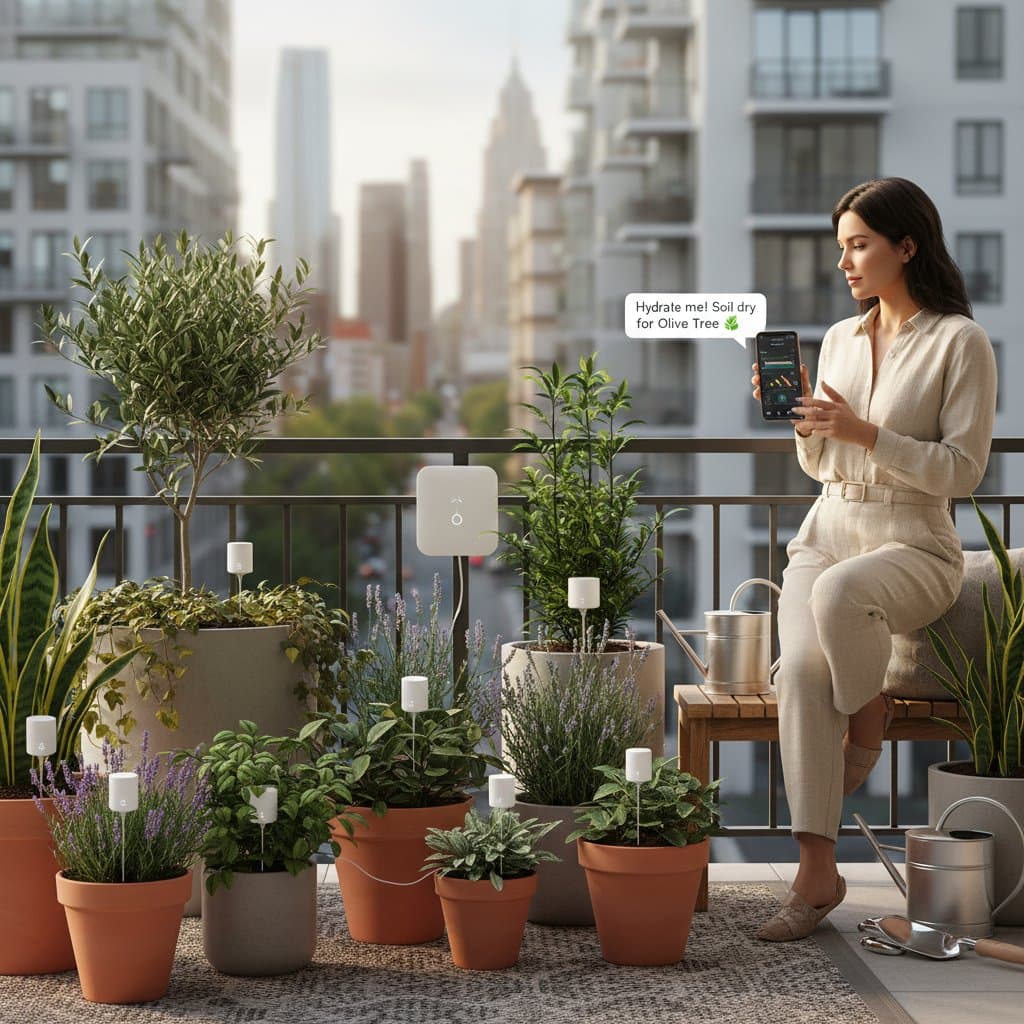
Urban dwellers often face challenges in maintaining balcony gardens due to limited space and fluctuating conditions. AI plant sensors address these issues by providing precise, real-time data on essential environmental factors. These compact devices insert into soil and connect to your smartphone via Wi-Fi, delivering personalized text notifications about watering needs, light adjustments, or humidity shifts.

The technology relies on probes that measure moisture levels, ambient light, and air humidity with high accuracy. Data transmits to a companion app, which analyzes patterns and sends actionable alerts. For balcony gardeners, this means healthier plants without constant manual checks, especially valuable in dense city environments where sunlight and weather vary dramatically.

Benefits extend beyond convenience. Users report up to 50 percent fewer plant losses, as timely interventions prevent overwatering or neglect. Integration with smart home systems further automates routines, turning a simple balcony into a thriving green oasis.

Setting Up Your AI Plant Sensor System

Begin by selecting sensors compatible with your smartphone and balcony setup. Most models feature waterproof casings and long-lasting batteries, suitable for outdoor exposure. Charge the device fully before installation, which typically takes 30 minutes via USB.

Position the sensor near the plant's root zone, ensuring the probe contacts soil firmly. Download the app from your device's store and create an account. Pair the sensor by scanning its QR code; the app will guide you through calibration, asking for details like plant type and pot size.

Customize alert thresholds based on species. For example, succulents require drier soil than ferns, so set moisture limits accordingly. Test connectivity by requesting an immediate reading; the app displays current data and sends a sample text.

For multiple pots, assign unique identifiers to each sensor in the app. This allows targeted alerts, such as "Tomato plant needs water" versus generic notifications. Initial setup completes in under an hour, yielding immediate insights into your garden's needs.

Budget Considerations and Value

Investing in AI plant sensors proves cost-effective for balcony gardening. A basic kit with four sensors suits a small setup of six pots and costs approximately 200 dollars. This includes probes, app access, and initial charging accessories.

Factor in ongoing expenses, which remain minimal. Batteries last six months or more, with replacements under 10 dollars each. Solar-powered variants reduce this further by harnessing balcony sunlight.

Enhance the system with a smart irrigation valve for 70 to 120 dollars. This add-on connects to the sensors and activates watering when moisture drops below your preset level. Over time, the setup saves money by reducing plant replacements; a single herb or ornamental can cost 20 dollars or more to repurchase.

Calculate return on investment through sustained yields. Herbs like basil grow faster with precise care, providing fresh produce worth far more than the sensors' price. For ornamentals, vibrant displays boost outdoor enjoyment without added labor.

Daily Operation and Optimization

Once installed, the sensors operate seamlessly in the background. They sync data hourly or on demand, sending texts only when conditions deviate from norms. Review the app dashboard weekly to track trends, such as seasonal light changes affecting growth.

Optimize watering by following alert specifics. A message might indicate "Soil moisture at 20 percent; water 0.5 liters." Adjust based on observations; if leaves perk up post-watering, the system learns and refines future recommendations.

Monitor light and humidity for holistic care. Balconies often experience shaded afternoons, so alerts for insufficient exposure prompt repositioning pots. High humidity warnings prevent fungal issues common in urban air.

Troubleshooting Common Issues

Sensors occasionally encounter glitches, but most resolve easily. If no signal appears, verify Wi-Fi coverage; extend range with a repeater if your balcony sits far from the router. Replace the battery if power dips below 20 percent.

Inaccurate readings often stem from poor probe contact. Reinsert the device deeper into the soil, avoiding air pockets that skew moisture detection. Calibrate again in the app to reset baselines.

Excessive alerts disrupt routines; lower sensitivity settings to trigger messages only for critical changes. Delayed updates affect some models with hourly syncs; initiate a manual refresh via the app for instant data.

Should a sensor fail after days of silence, locate the reset button on its side and hold for 10 seconds. Update firmware regularly through the app to patch software bugs and improve accuracy.

Maintenance Routines for Longevity

Regular upkeep ensures sensors perform reliably across seasons. Every few weeks, gently wipe exteriors with a damp cloth to remove dust or residue. Inspect metal probes for corrosion, especially after rain exposure; clean with a soft brush if needed.

Recharge non-solar units monthly or when the app notifies low power. For solar models, clear panels of debris to maintain efficiency. If readings become inconsistent, replace the sensor every two to three seasons.

The app flags declining accuracy with prompts like "Calibrate probe." Follow these to sustain precision. During winter, store devices indoors if temperatures drop below freezing; moisture trapped inside can damage internals.

For extended absences, power down and remove sensors from pots. This prevents false alerts and protects against extreme weather.

Smart Storage and Organization

Organize accessories to streamline future use. Store spare sensors, cables, and manuals in a labeled plastic container, kept in a dry indoor spot. Coil cables loosely to avoid knots and extend lifespan.

Label each sensor with the corresponding plant name using waterproof tape. This clarifies alerts in multi-pot setups, such as distinguishing between "Basil pot low on water" and similar messages.

Maintain a log in the app or notebook of installation dates and calibrations. This aids troubleshooting and tracks system evolution over time.

Advanced Integration and Professional Help

Expand functionality by linking sensors to broader smart home ecosystems. Compatible platforms automate lights or fans based on humidity data, creating ideal microclimates.

If issues persist beyond basic troubleshooting, such as persistent connectivity failures, consult the manufacturer's support. For complex integrations, hire a local tech specialist familiar with IoT devices.

Professionals can assess balcony-specific challenges, like wind exposure affecting sensor stability. Expect fees of 50 to 100 dollars for a consultation, valuable for customized setups.

Steps to Implement and Sustain Success

Start small to build confidence. Select one struggling plant and install a sensor at root level. Monitor app alerts for a week, noting how the device adapts to its patterns.

Respond to texts promptly and observe results. If growth improves, expand to additional pots. Track changes like leaf color or height to validate the system's impact.

Review monthly: Adjust settings as plants mature or seasons shift. Consistent use yields resilient gardens, transforming balcony spaces into productive, low-maintenance retreats.

Realizing Lasting Benefits

AI plant sensors empower urban gardeners with data-driven precision. Effortless monitoring leads to robust plants, reduced waste, and greater satisfaction. Embrace this technology to cultivate a vibrant balcony haven that endures through every season.

You Might Also Like

AI Drip Systems Cut Balcony Watering to Zero Effort

Balcony Ponds That Cool Air and Soften Noise

AI Plant Walls Cut Daily Watering to 10 Minutes a Week

Balcony Pods Add 15 Degrees for Winter Dining

AI Sensors Map Rooftop Microclimates for Better Yields

Tagged:

Automation,gardening,sensors,smart,plant,balcony,balcony-automation,ai-gardening,smart-plant-sensors

Recent by Anne Marion

Image for Solar Shade Sails Generate Power While Cooling Roofs

Solar Shade Sails Generate Power While Cooling Roofs

Feb 9, 2026
Image for Shade Sails Block 95% of UV Rays and Cool Decks 20°F

Shade Sails Block 95% of UV Rays and Cool Decks 20°F

Feb 7, 2026
Image for AI Sensors Map Rooftop Microclimates for Better Yields

AI Sensors Map Rooftop Microclimates for Better Yields

Feb 6, 2026
Image for Harvest Balcony Mist Into Usable Water Daily

Harvest Balcony Mist Into Usable Water Daily

Feb 6, 2026
Image for Mushroom Boards: Biodegradable Decking That Grows Itself

Mushroom Boards: Biodegradable Decking That Grows Itself

Feb 4, 2026

Automation

Image for AI Drip Systems Cut Balcony Watering to Zero Effort

AI Drip Systems Cut Balcony Watering to Zero Effort

Feb 9, 2026
Image for Solar Drip Systems Keep Deck Gardens Watered Automatically

Solar Drip Systems Keep Deck Gardens Watered Automatically

Feb 2, 2026
Image for Solar-Powered Watering Cuts Balcony Care by 80 Percent

Small-Space Gardens

AI Sensors Text Care Reminders to Your Balcony Plants

Struggling to keep balcony plants healthy in the city? AI-powered sensors eliminate guesswork by monitoring key conditions like soil moisture, light exposure, and humidity. These devices send direct text reminders to your phone, guiding you toward optimal care and vibrant growth year-round.

Feb 9, 2026

AI Plant Walls Cut Daily Watering to 10 Minutes a Week

Convert urban walls into thriving, self-sustaining gardens using AI plant walls. These innovative systems manage irrigation, lighting, and nutrients automatically, delivering lush foliage with minimal effort while boosting indoor air purity and aesthetic appeal.

Feb 7, 2026

Watering 50+ Pots From a Single Faucet

Convert your balcony's potted plants into a low-maintenance green haven using a micro-drip irrigation system. This practical guide details automatic watering for more than 50 pots, eliminating daily tasks while ensuring optimal hydration. Explore essential tools, installation from testing to timing, plus solutions for common issues and upkeep strategies for sustained success.

Categories

Deck Construction & Remodeling(166)
Balcony Design(153)
Small-Space Gardens(65)
Rooftop Decks(55)
Backyard Design(18)

Solar-Powered Watering Cuts Balcony Care by 80 Percent

Jan 25, 2026
Image for AI Cameras That Water Plants and Deter Deck Pests

AI Cameras That Water Plants and Deter Deck Pests

Jan 21, 2026
Image for Solar Drip Systems Water 20 Pots With No Outlets

Solar Drip Systems Water 20 Pots With No Outlets

Jan 13, 2026
Feb 2, 2026

Grow 30 Plants in 2 Feet Using Nutrient Mist

Transform a narrow balcony into a productive aeroponic farm by 2026. These soil-free towers support up to 30 plants with efficient nutrient mist, delivering year-round greens while minimizing water use, space demands, and maintenance.

Feb 1, 2026

Simple Drip Systems That Water While You Work

Elevate your urban balcony garden with a simple, app-free micro drip irrigation system. This practical guide covers tools, installation steps, troubleshooting, and maintenance to ensure reliable watering and vibrant plants, even during busy schedules.

Jan 31, 2026

How Urban Gardens Cut City Noise by 70%

Convert your bustling urban garden into a tranquil haven using layered vegetation and sound-dampening materials. This comprehensive guide details how evergreens, grasses, mulch, and permeable surfaces can diminish noise by up to 70 percent, fostering a soothing space that filters out urban clamor while enhancing natural serenity.

Jan 31, 2026

Living Sound Filters for City Apartments

Convert urban clamor into tranquility using acoustic plants as living sound barriers. This guide details optimal plant selection, strategic placement, and upkeep for effective noise reduction in tight city dwellings. Affordable and aesthetically pleasing, these green solutions deliver enduring calm without major alterations.

Jan 30, 2026

Mini Bog Gardens Bring Wetland Habitats to Balconies

Turn a standard balcony into a vibrant mini bog garden that mimics natural wetlands. Assemble a self-sustaining system with layered substrates, precise watering techniques, and native plants to foster biodiversity and create an engaging urban green space.

Jan 28, 2026

Why Shade Apps Unlock Perfect Balcony Gardens

Elevate your balcony garden using shade apps to precisely map sunlight exposure. Gain insights on plant selection for specific light zones, easy scanning techniques, and cost-effective tools. Uncover strategies for seasonal adjustments to cultivate a vibrant, sustainable urban oasis.

Jan 28, 2026

Microclimate Pods Extend Growing Season on Balconies

Turn your balcony or rooftop into a productive garden that defies seasonal limits with microclimate pods. These innovative enclosures maintain optimal warmth, humidity, and airflow. Follow this comprehensive guide for construction, plant selection, safety measures, and ongoing care to harvest greens and herbs throughout the year.

Jan 26, 2026

Three Square Feet of Balcony That Feeds Urban Bees

In the heart of urban living, three square feet of balcony can become a thriving haven for bees. This guide details plant selections, container arrangements, and maintenance practices to attract pollinators throughout the year. With modest investment and simple routines, your compact space contributes to healthier ecosystems and serene outdoor moments.

Jan 25, 2026

Aeroponic Towers Fit Full Veggie Gardens in 4 Feet

Convert a compact balcony into a productive, soil-free vegetable garden using aeroponic towers. This detailed guide covers planning, assembly, and maintenance for a lightweight system that delivers abundant yields while fitting urban constraints like limited space and sunlight.

Jan 24, 2026

Balcony Microclimates That Triple Your Harvest

Transform your balcony garden by identifying and leveraging microclimates—warm pockets, windy perimeters, and shaded retreats—that influence plant success. Map exposure to light, air, and temperature; assign suitable crops to zones; and adapt seasonally for a bountiful, year-round harvest in compact settings.

Jan 23, 2026

Balcony Mushroom Farms That Pay for Themselves

Transform your shaded balcony into a profitable mushroom farm producing gourmet varieties like oyster and shiitake. This guide covers setup, maintenance, harvesting, and sales strategies to generate steady income from urban space with minimal effort.

Jan 21, 2026

Acoustic Walls Cut Neighbor Noise Without Renovating

Achieve tranquility in bustling urban environments through acoustic walls, strategic sealing, and sound-absorbing plants. This guide provides practical installation steps, affordable material recommendations, and maintenance tips to create a serene home without extensive renovations.

Jan 18, 2026

Plants Cut City Noise With Layers and Smart Placement

Convert urban balconies or courtyards into tranquil refuges with sound-absorbing plants. Discover layering techniques featuring bamboo, evergreens, and grasses to diffuse noise, plus essential tips on selection, positioning, care, and affordability for compact green spaces.

Jan 17, 2026

Turn Your Balcony Into a Pollinator Stopover

Convert your balcony into a vibrant pollinator habitat that draws in bees, butterflies, and hummingbirds. Employ native plants, fresh water sources, and basic containers to promote urban biodiversity, improve air quality, and establish a serene green oasis, all achievable for less than seventy dollars with minimal weekly maintenance.

Jan 17, 2026

Dwarf Fruit Trees Turn Tiny Balconies into Orchards

Even the tiniest balcony can become a productive orchard with dwarf fruit trees. Compact options like Meyer lemon and dwarf apple varieties yield full-sized fruit in containers. This guide provides essential steps for setup, ongoing care, and troubleshooting to help city dwellers cultivate fresh produce just steps from their living spaces.

Jan 15, 2026

Turning Nine Square Feet Into a Pollinator Haven

Convert a modest 3x3 balcony into a dynamic micro-meadow that supports bees, butterflies, and birds. This comprehensive guide explains the process of designing, planting, and sustaining a lightweight, low-maintenance native plant habitat that delivers seasonal blooms, tranquility, and environmental benefits to city dwellers.

Jan 15, 2026

AI Garden Cams Catch Plant Problems Before They Spread

AI garden cameras leverage smart sensors and machine learning to track plant health, identify stress indicators promptly, and provide targeted care recommendations. This comprehensive guide covers device selection, installation procedures, data interpretation, and optimization strategies for watering and lighting, enabling urban gardeners to sustain healthy plants with reduced uncertainty and minimal effort.

Jan 14, 2026