
Loading...

Solar Drip Irrigation for Deck Gardens: Setup, Maintenance, and Tips | urbanoutdoorsnyc.com | Urban Outdoors - Small-Space Gardens, Rooftop Decks, Balconies, Decks, Backyard Design
Skip to main content
Urban Outdoors
Search
Home
  1. Home
  2. /
  3. Deck Construction & Remodeling
  4. /
  5. Solar Drip Systems Keep Deck Gardens Watered Automatically
Deck Construction & Remodeling

Solar Drip Systems Keep Deck Gardens Watered Automatically

byAnne Marion
2026-02-02 05:10:17February 2, 2026
7 min read
Featured image for Solar Drip Systems Keep Deck Gardens Watered Automatically

Categories

Navigation

  • Home
  • All Articles
  • About Us
  • Privacy Policy
  • Terms of Service

© 2026 Urban Outdoors. Crafted for bold city dwellers.

2026-02-02 05:10:17
Urban Outdoors - Small-Space Gardens, Rooftop Decks, Balconies, Decks, Backyard Design

Step 5: Test and Adjust Flow

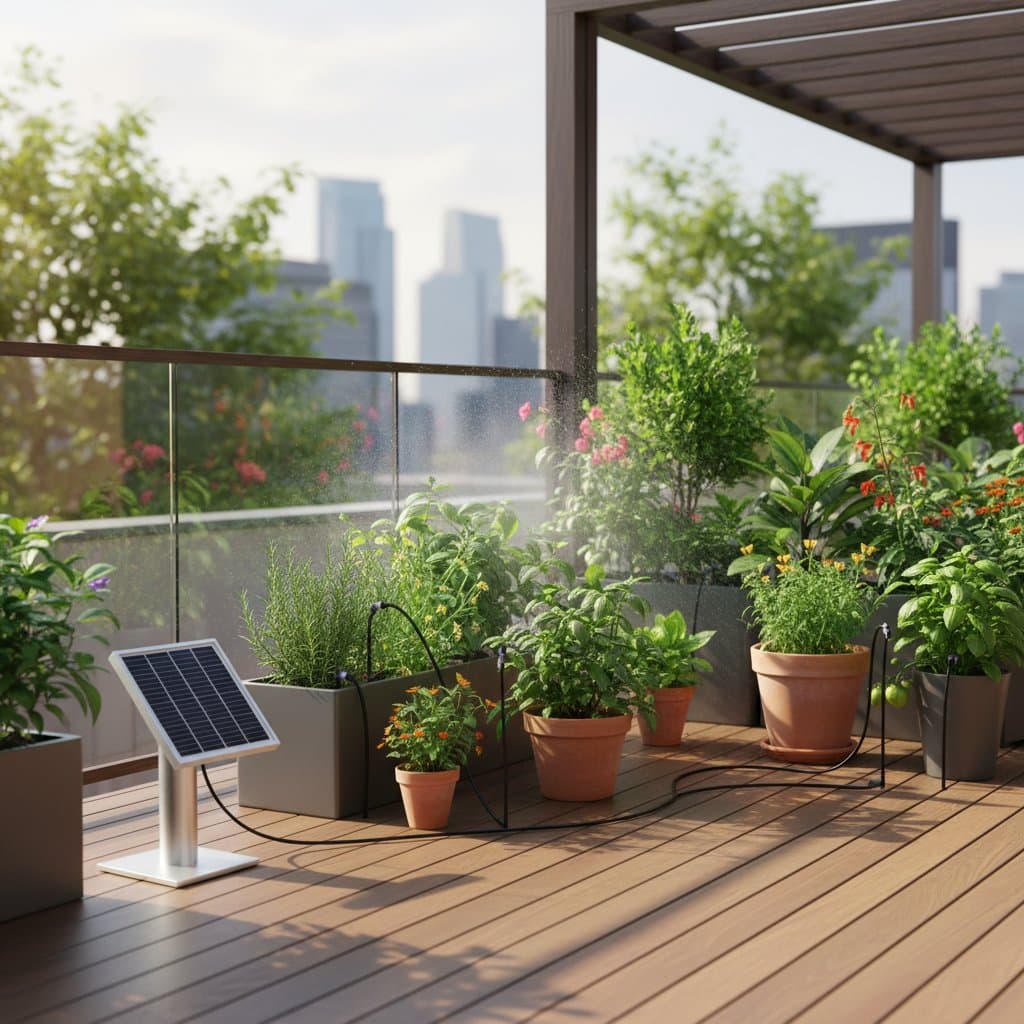
Connect the solar panel to activate the system. Water begins to drip from the emitters within one to two minutes under direct sunlight. Use the adjustment valves on each line to regulate the flow, targeting a slow and consistent rate that wets the top two inches of soil without pooling.

Inspect every planter for uniform moisture distribution. A soil moisture meter provides precise readings to guide fine-tuning. Repeat adjustments until all plants receive adequate hydration.

Step 6: Secure and Conceal Tubing

After verifying the flow, organize the tubing to maintain a clean appearance. Attach it along railings or beneath planter rims using plastic clamps, zip ties, or weather-resistant adhesive hooks. Secure connections firmly to avoid shifts from wind or foot traffic.

This arrangement prevents tangles and reduces tripping hazards. For added durability, select UV-resistant tubing that withstands outdoor exposure. A neat setup enhances the overall aesthetic of your deck space.

Step 7: Monitor Over the First Week

Track the system's operation daily during the initial week. Note the frequency of watering cycles and assess soil moisture levels across all planters. Relocate emitters or tweak valves as necessary to address dry spots or overwatering.

By the end of the week, the system typically stabilizes to align with your garden's needs. Record observations in a simple log to inform future adjustments. Consistent monitoring ensures optimal performance from the start.

Safety Tips

Source water from a clean supply to minimize mineral deposits and algae formation in the lines. Clean the solar panel with a soft, damp cloth while keeping electrical components dry. Avoid plugging the pump into household electricity unless the manufacturer explicitly approves this configuration.

Before periods of freezing temperatures or extended absences, drain the reservoir completely to prevent damage. When incorporating fertilizers into the water, flush the entire system with plain water afterward to clear residues and avoid blockages.

Position the solar panel away from potential hazards like overhead branches or heavy foot traffic. Wear gloves during installation to protect against sharp edges on fittings. These practices safeguard both the equipment and users.

Troubleshooting

Plants remain dry in certain areas.
Inspect tubing for kinks, blockages, or air pockets that interrupt flow. Straighten the lines and run water through them to expel trapped air. Install an additional emitter in affected pots if the issue persists, ensuring even coverage.

Water flow weakens unexpectedly.
Remove and rinse the pump's filter screen to eliminate debris. Verify that the solar panel receives unobstructed sunlight, as shading reduces power generation. Consider integrating a compact rechargeable battery to maintain output on overcast days.

Algae appears in the reservoir.
Shield the container with an opaque cover to block light that promotes growth. Introduce a small amount of white vinegar, about one teaspoon per gallon, to inhibit algae while remaining safe for plants. Change the water regularly to keep conditions fresh.

Emitters become clogged over time.
Disassemble the emitters and soak them in a mild vinegar-water solution for 30 minutes, followed by a thorough rinse. Opt for filtered or softened water sources to reduce sediment buildup. Replace emitters annually if clogs recur frequently.

System fails to start.
Check connections between the panel, pump, and battery for looseness or corrosion. Test the solar panel's voltage with a multimeter if available. Consult the user manual for reset procedures specific to your model.

Budget and Time Considerations

A basic setup for eight to twelve planters typically ranges from $90 to $180, depending on component quality. One person can complete installation in approximately two hours using common tools like scissors and a drill. Ongoing maintenance expenses remain low, with filters and cleaners costing under $20 per year.

Emitters come in affordable packs of 20 for around $10, allowing easy replacements. For expansions, budget $25 for materials to service five additional planters, including extra tubing and fittings. High-quality solar pumps endure up to five years with routine care, offering strong value over time.

Factor in potential savings from reduced manual watering, which cuts water usage by up to 50 percent. Compare kits from reputable brands to balance initial costs with longevity. Track expenses in a spreadsheet to evaluate return on investment as your garden expands.

Maintenance Routine

Examine tubing and fittings monthly for signs of leaks, cracks, or loosening. Refill the reservoir every two to three days during peak summer heat to sustain supply. Disassemble and clean the pump filter monthly by rinsing under running water and brushing away residue.

Dust on the solar panel can diminish efficiency by 20 percent, so wipe it gently every two weeks. In preparation for winter, drain all water from the system and disassemble components. Store the pump, tubing, and panel in a cool, dry indoor location to avoid freeze damage.

Coil excess tubing without tight bends to preserve flexibility for future use. Test the system upon spring reactivation to confirm functionality. These habits extend equipment life and ensure reliable performance season after season.

Smart Storage Strategies

Organize components thoughtfully to simplify access and prolong usability. Conceal the reservoir within a stylish planter box or under a bench seat to blend with deck decor. Apply color-coded labels or tags to tubing lines, indicating which serves specific plant types like herbs or flowers.

Secure spare tubing bundles with reusable twist ties and suspend them from a wall hook near the garden area. Assemble a compact repair kit containing spare connectors, valves, and stakes, stored in a waterproof bin with clear labeling. Rotate inventory annually to replace aged parts proactively.

These organizational tactics streamline maintenance and support seamless garden modifications. Dedicate a small shelf or drawer for all irrigation supplies to keep everything centralized. Such preparation turns routine care into an efficient process.

When to Consult a Professional

Most deck installations require no expert intervention, but seek assistance for complex scenarios. Hire a specialist if deck modifications involve electrical wiring or structural reinforcements for mounting the solar panel. Professionals ensure compliance with local building codes.

Integration with existing in-ground irrigation or automated smart controllers demands technical knowledge beyond basic setups. Opt for pros if the pump requires more power than the standard panel provides, necessitating custom solar arrays. During consultations, inquire about waterproofing standards, secure routing paths, and extended warranties.

A one-hour professional review, often costing $50 to $100, can avert expensive errors. Verify credentials through reviews or certifications in landscaping or electrical work. This step provides peace of mind for intricate projects.

Seasonal Care Schedule

Spring Preparation: Conduct a full inspection of tubing for winter-induced cracks or brittleness before adding water. Replace any compromised parts with new sections to restore integrity. Prime the pump by running clean water through the system.

Summer Vigilance: Monitor soil moisture closely during prolonged heat, adjusting flow rates as evaporation increases. Relocate the solar panel periodically to avoid shadows from growing plants or rearranged furniture. Top off the reservoir more frequently to match heightened demand.

Fall Cleanup: Circulate plain water through the lines to dissolve and remove seasonal buildup from fertilizers or minerals. Disassemble non-essential parts for cleaning and storage. Document any wear for off-season repairs.

Winter Protection: Evacuate all moisture from the system to prevent expansion damage from ice. Relocate sensitive components indoors, away from moisture and extreme cold. Cover outdoor-mounted elements with protective tarps if full removal proves impractical.

Essential Benefits Summary

Solar drip systems deliver consistent hydration tailored to plant needs, conserving water through targeted delivery. Setup demands minimal tools and poses low risk, accessible to novice gardeners. Regular upkeep consists of brief monthly inspections and targeted seasonal tasks.

Initial investments yield long-term savings on time and resources. Scalability allows gradual enhancements as your deck garden evolves. Harness sunlight to nurture vibrant greenery effortlessly.

Launch Your System Successfully

Acquire a starter kit and apply it to a few planters initially. Observe moisture consistency and plant vitality over the first cycles. Gradually incorporate additional pots or a battery for reliability in variable weather.

Shade the reservoir and label lines for clarity. Dedicate an afternoon to assembly, then step back as the system operates independently. Reclaim time for relaxation or exploration while your deck flourishes unattended.

You Might Also Like

Solar Pavers Convert Steps and Sunlight Into Power

Glass Deck Floors That Skylight the Space Below

Watering 50+ Pots From a Single Faucet

Mycelium Boards Replace Wood in Sustainable Decking

Cut Deck Noise with Acoustic Privacy Screens

Tagged:

garden,Automation,deck,solar,irrigation,watering,automatic,solar-irrigation,automatic-watering,deck-garden-automation

Recent by Anne Marion

Image for Watering 50+ Pots From a Single Faucet

Watering 50+ Pots From a Single Faucet

Feb 2, 2026
Image for Simple Drip Systems That Water While You Work

Simple Drip Systems That Water While You Work

Jan 31, 2026
Image for How Urban Gardens Cut City Noise by 70%

How Urban Gardens Cut City Noise by 70%

Jan 31, 2026
Image for Micro-Pergola Pods Bring Patio Comfort to Tiny Balconies

Micro-Pergola Pods Bring Patio Comfort to Tiny Balconies

Jan 29, 2026

garden

Image for Microclimate Pods Extend Growing Season on Balconies

Microclimate Pods Extend Growing Season on Balconies

Jan 26, 2026
Image for Three Square Feet of Balcony That Feeds Urban Bees

Three Square Feet of Balcony That Feeds Urban Bees

Jan 25, 2026
Image for AI Cameras That Water Plants and Deter Deck Pests

Deck Construction & Remodeling

Solar Drip Systems Keep Deck Gardens Watered Automatically

Elevate your deck gardening with solar-powered drip irrigation for precise, hands-free watering. This guide covers final setup steps, safety measures, common fixes, cost breakdowns, and year-round care to foster healthy plants with minimal intervention.

Feb 2, 2026

Solar Pavers Convert Steps and Sunlight Into Power

Elevate your outdoor paths with solar pavers that generate electricity from sunlight and movement. This comprehensive resource outlines functionality, step-by-step setup, budgeting, troubleshooting, and ways to apply the power for lighting or devices—all while promoting green living.

Feb 2, 2026

Glass Deck Floors That Skylight the Space Below

Elevate your deck design with glass floor panels that function as skylights, flooding lower areas with natural light while delivering a sleek, contemporary look. This resource provides in-depth coverage of benefits, essential materials, step-by-step installation, safety protocols, maintenance routines, and guidance on when to hire experts—all to optimize your outdoor environment for light, style, and longevity.

Categories

Deck Construction & Remodeling(158)
Balcony Design(146)
Small-Space Gardens(63)
Rooftop Decks(50)
Backyard Design(18)

AI Cameras That Water Plants and Deter Deck Pests

Jan 21, 2026
Image for Map Your Deck's Hot Spots Before You Zone

Map Your Deck's Hot Spots Before You Zone

Jan 19, 2026
Image for Plants Cut City Noise With Layers and Smart Placement

Plants Cut City Noise With Layers and Smart Placement

Jan 17, 2026
Feb 2, 2026

Mycelium Boards Replace Wood in Sustainable Decking

Mycelium decking redefines sustainable outdoor design with boards cultivated from fungal roots and agricultural waste. These lightweight, compostable planks match wood's strength while minimizing environmental impact. This guide covers planning, installation, and care for a resilient, green yard addition.

Feb 1, 2026

Cut Deck Noise with Acoustic Privacy Screens

Turn urban deck noise into peaceful quiet with acoustic privacy screens. Explore sound-blocking options, step-by-step installation, upkeep advice, and cost-effective choices for a more enjoyable outdoor space throughout the year.

Feb 1, 2026

Deck Benches That Turn Scraps Into Garden Soil

Convert your deck into an eco-friendly oasis with a composting bench that serves as both comfortable seating and efficient soil producer. This comprehensive guide details construction steps, material needs, troubleshooting, and seasonal care to minimize waste and maximize garden yields.

Jan 31, 2026

Permeable Pavers Stop Flooding and Raise Property Value

Permeable pavers convert waterlogged areas into resilient, environmentally friendly surfaces. Water infiltrates through paver joints and stone bases, minimizing runoff, safeguarding structures, and elevating aesthetic appeal. This comprehensive guide details installation processes, upkeep routines, and financial considerations to demonstrate how these pavers promote sustainability, property enhancement, and enduring outdoor usability.

Jan 29, 2026

Turn Your Deck into a Clean Energy Generator

Elevate your deck into a sustainable solar energy source with integrated pavers that merge aesthetics and efficiency. This guide covers sunlight evaluation, circuit planning, durable tile installation, performance upkeep, expense details, safety protocols, and professional consultation needs to create a self-powered outdoor retreat.

Jan 29, 2026

Solar Pavers Turn Sunlight Into Outdoor Power

Elevate your outdoor areas with solar pavers, robust tiles that capture sunlight to generate power for lighting, charging stations, and appliances. This guide covers their functionality, required materials, and detailed installation instructions to build an efficient, wire-free environment that blends practicality with aesthetic appeal.

Jan 28, 2026

Mycelium Decks Replace Wood With Living Fungi Material

Mycelium, the intricate root system of fungi, emerges as a groundbreaking material for decking. This renewable and biodegradable option provides the durability of wood with a fraction of the environmental impact. Readers will gain insights into installation, maintenance, and benefits to create an outdoor haven that aligns with sustainable living principles.

Jan 27, 2026

Deck Pods Turn Open Decks into Year-Round Rooms

Convert your deck into a protected, inviting extension of your home using modular deck pods. This comprehensive guide covers planning, assembly, and upkeep for these adaptable structures, including required tools, safety protocols, and enhancements to achieve a durable, stylish outdoor space that provides year-round utility.

Jan 26, 2026

Solar Shade Sails Generate Power While Cooling Your Deck

Elevate your deck with solar shade sails that offer respite from the sun while harnessing solar power for everyday use. These versatile structures blend comfort with eco-friendly energy generation. Explore practical steps for installation, upkeep, and optimization to create an inviting, self-sustaining outdoor haven.

Jan 26, 2026

Cool Your Deck 15° with Solar Shade Sails

Counter summer deck heat with solar shade sails capable of reducing temperatures by up to 15 degrees. These tensioned fabric panels effectively block UV rays, improve airflow, and install in just one day. Gain insights into required tools, essential safety measures, and maintenance strategies for extended outdoor enjoyment.

Jan 25, 2026

Why Permeable Decks Stay 20 Degrees Cooler

Permeable decks address intense summer heat by facilitating airflow and water passage, which dissipates trapped warmth and maintains surfaces up to 20 degrees cooler. Incorporating light-colored materials, strategic gaps, and evaporative cooling, these decks foster inviting, sustainable outdoor areas that require low maintenance and provide enduring relief from hot surfaces.

Jan 25, 2026

Solar Pergolas Cut City Heat While Powering Your Deck

Elevate your compact urban deck with a solar pergola that delivers shade, produces renewable energy, and enhances sustainability. This comprehensive guide includes planning strategies, material choices, step-by-step installation, safety protocols, and upkeep tips to achieve a cooler, cost-effective outdoor area while increasing home value on a practical budget.

Jan 24, 2026

Fungal Fibers That Replace Wood Decks and Compost Clean

Mycelium decks redefine urban outdoor spaces through sustainable, compostable panels derived from fungal networks. These lightweight, durable alternatives to wood or plastic utilize agricultural waste. Follow this guide to cultivate, process, install, and maintain them for environmentally conscious urban design.

Jan 24, 2026

Misting Systems Drop Deck Temps 20° Fast

Misting systems transform hot decks into inviting spaces by reducing temperatures up to 20 degrees. This guide details planning, installation, maintenance, and optimization strategies for safe, effective cooling throughout the season.

Jan 22, 2026

UV Shade Sails Drop Deck Temps 20 Degrees

Combat summer heat and safeguard your deck using UV shade sails. This comprehensive guide details selection, installation, and upkeep strategies that reduce surface temperatures, avert color fading, and prolong deck longevity. Explore required tools, safety measures, common issues, and professional insights to create a fashionable, protected outdoor haven.

Jan 22, 2026

Shade Sails That Follow the Sun All Day Long

Automatic sun-tracking shade sails adjust their position to follow the sun, providing consistent shade and comfort on decks and patios. This comprehensive guide explains the technology, step-by-step installation, essential safety measures, ongoing maintenance, associated costs, and strategies to maximize durability and efficiency in your outdoor environment.

Jan 21, 2026

AI Cameras That Water Plants and Deter Deck Pests

Elevate your urban deck into an automated oasis with AI cameras that identify pests, optimize irrigation, and reduce upkeep. These intelligent systems leverage computer vision to safeguard plants, promote efficient water use, and deliver seamless outdoor enjoyment via straightforward installation and reliable performance.

Jan 21, 2026