
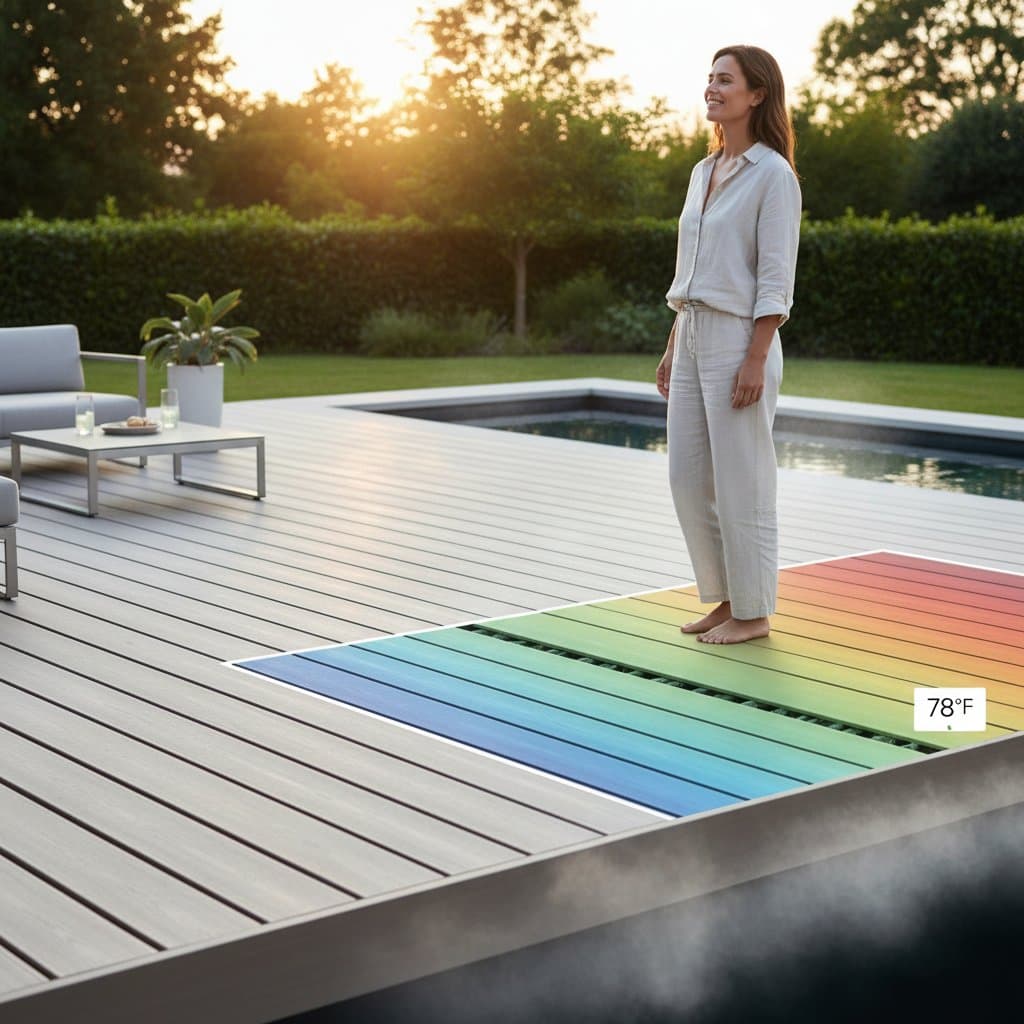
Why Permeable Decks Stay Cool in Scorching Heat
Outdoor surfaces absorb sunlight and become uncomfortably hot, often making bare feet unwelcome on patios or rooftop decks. Families with limited outdoor space encounter this challenge every summer season. A deck ought to encourage relaxation outdoors rather than force protective footwear. Permeable decking offers an effective remedy. This option resembles conventional decking in appearance yet maintains lower temperatures during peak heat.
The objective remains straightforward: achieve a comfortable deck surface without relying on frequent watering, large shade structures, or costly protective treatments. This article explains the mechanisms behind heat management in permeable decks, identifies optimal materials, and provides guidance on long-term performance.
Overview of Permeable Decking
A permeable deck permits water and air to flow through intentional gaps or inherent pores in its surface. In contrast to solid wood or composite boards that retain heat and moisture, permeable designs promote ventilation. This permeability not only facilitates rapid drainage during rainfall but also accelerates heat dissipation from the surface.
Sunlight generates heat on dense, impermeable materials, where energy accumulates without escape. Traditional composites or treated wood exacerbate this by sealing in warmth. Permeable systems counteract the issue through light-reflective colors, spaced joints, and substructure airflow. Consequently, these decks register up to 20 degrees Fahrenheit cooler under direct sun than equivalent sealed surfaces.
Studies from urban landscaping experts confirm these benefits, particularly in heat-intensive environments like New York City rooftops. The design transforms potentially hazardous hot spots into usable spaces, enhancing safety and enjoyment.
Mechanisms of Cooling in Permeable Decks
Permeable decking functions similarly to a ventilated roofing system, where air circulates between and beneath boards to extract accumulated heat. Rainfall or rinse water seeps into gaps, creating multiple evaporation sites that lower surface temperatures, akin to the cooling effect of perspiration on skin.
Three primary elements contribute to this cooling efficiency:
- Enhanced Airflow. Gaps between boards allow hot air to rise and escape, preventing stagnation.
- Efficient Water Drainage. Water passes through rather than collecting in puddles, which would otherwise absorb and radiate additional heat.
- Reflective Material Properties. Lighter hues in composites or natural stone reflect solar rays, while porous structures minimize heat retention.
Landscape professionals report that users sense the difference almost immediately upon contact. Surfaces resemble cool, shaded walkways more than sun-baked asphalt, providing tangible relief during afternoon highs.
To quantify the impact, consider a standard 10-by-10-foot deck in 90-degree weather. A sealed composite might reach 130 degrees on top, while a permeable version hovers around 110 degrees, based on material testing data from manufacturers.
Selecting Optimal Materials
Permeable decks vary in construction, with choices that balance cooling performance, longevity, and aesthetics. Select materials suited to your climate and usage patterns for best results.
- Composite Planks with Integrated Drainage. Crafted from recycled polymers blended with wood fibers, these planks replicate wood grain while featuring built-in channels for water flow. They withstand fading, insect damage, and decay, making them ideal for humid urban settings.
- Permeable Pavers. These consist of precast concrete or natural stone units separated by permeable joints filled with sand or fine gravel. Such setups excel on rooftops or elevated platforms, offering robust load-bearing capacity up to 300 pounds per square foot.
- Porous Tile Systems. Options include ceramic tiles with microscopic pores or recycled rubber variants that absorb impact. Both provide slip resistance and a softer feel underfoot, suitable for family-oriented spaces.
Budget considerations include material costs ranging from $7 to $15 per square foot, depending on quality and source. Professional installation typically adds $3 to $6 per square foot, covering framing and alignment. Over three to five years, savings from reduced watering and resurfacing recoup the investment, especially in water-restricted areas.
Evaluate samples in person to assess texture and color fastness. Prioritize certifications for UV resistance and environmental impact to ensure suitability for sustainable projects.
Installation Guidelines
Constructing a permeable deck mirrors standard deck building but emphasizes precise spacing and drainage features. Proper setup ensures longevity and consistent cooling.
- Substructure Preparation. Install pressure-treated lumber joists on concrete footings or adjustable pedestals, ensuring at least one inch of clearance beneath for ventilation. Verify levelness with a laser tool to avoid pooling.
- Plank or Paver Placement. Maintain one-eighth-inch gaps between elements using spacers. For pavers, infill joints with permeable aggregate to preserve flow.
- Surface Inclination. Incorporate a subtle slope of one-quarter inch per foot toward drainage outlets. This directs water away efficiently without compromising usability.
- Finishing Touches. Secure all components with corrosion-resistant fasteners. Test the assembly by simulating rainfall to confirm unobstructed flow.
Maintenance involves seasonal care to sustain performance. Clear debris from gaps biannually using a leaf blower or gentle hose spray. Apply mild detergent with a soft-bristle brush for stubborn stains, then rinse thoroughly. Refrain from applying sealants that could clog pores and diminish breathability.
Safety protocols include donning protective gear during cutting or handling. Consult local regulations for elevated structures to address wind load and seismic factors.
Engaging Professional Expertise
Opt for a licensed contractor when the deck overlays habitable areas or involves complex hydrology, such as sloped sites or integrated green roofs. Experts conduct soil percolation tests and structural assessments prior to build. Inquire about ventilation designs and code compliance, including permits for urban installations.
For modest ground-level decks under 200 square feet, skilled homeowners can proceed with DIY methods using basic tools like circular saws and levels. Online tutorials from reputable suppliers offer step-by-step visuals, but always prioritize safety inspections.
Professionals also integrate smart features, such as sensor-based irrigation tied to weather data, further optimizing cooling without manual effort.
Implementing Permeable Upgrades
Begin with a targeted replacement: swap out a 5-by-5-foot section of existing decking with permeable alternatives. Monitor midday temperatures using an infrared thermometer to document the 15-to-20-degree drop. Observe post-rain drying times, which typically shorten to under 30 minutes compared to hours on sealed surfaces.
Prevent blockages by scheduling monthly inspections to remove organic buildup like pollen or dirt. Pair the deck with complementary elements, such as pale upholstery on seating or drought-tolerant shade greenery, to amplify comfort.
A thoughtfully installed permeable deck converts intense solar exposure into manageable warmth. This approach not only elevates daily outdoor use but also contributes to broader environmental goals by reducing urban heat islands and conserving water resources.