
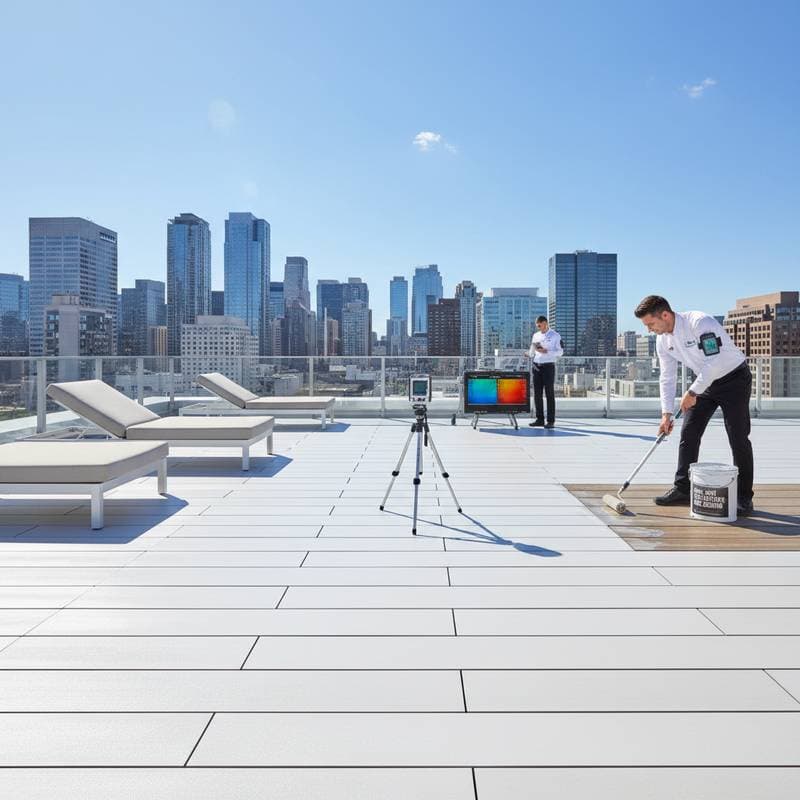
The Impact of Heat on Urban Outdoor Spaces
Urban rooftops and decks absorb intense sunlight, turning comfortable retreats into sweltering zones during summer months. This heat not only discourages use but also drives up indoor cooling demands as warmth seeps through structures. Reflective decking addresses this challenge by redirecting solar energy away from surfaces, creating cooler environments with measurable energy savings.
Homeowners in dense cities like New York face unique pressures from rising temperatures and limited green space. Traditional dark deck materials, such as wood or composite in earthy tones, trap heat effectively, raising surface temperatures above 140 degrees Fahrenheit on sunny days. In contrast, reflective options maintain surfaces closer to ambient air levels, easing the load on HVAC systems and preserving outdoor usability.
Studies from building science organizations highlight that such innovations can lower overall building energy use significantly. For urban dwellers, this means more time enjoying patios without excessive utility bills or discomfort.
How Reflective Decking Works
Reflective decking relies on principles of solar reflectance and thermal emittance to manage heat. Materials with high solar reflectance bounce back up to 80 percent of incoming sunlight, preventing absorption that leads to heat buildup. Thermal emittance measures how well a surface releases any absorbed heat, ideally approaching 90 percent for optimal performance.
The Solar Reflectance Index (SRI) combines these factors into a single value, rating materials from 0 to 100, where higher numbers indicate better cooling potential. For decks, aim for SRI values above 70 to achieve substantial benefits. Light-colored coatings or specialized composites enhance these properties, outperforming standard paints or stains.
In practice, a reflective deck can drop surface temperatures by 50 degrees Fahrenheit compared to non-reflective counterparts. This reduction translates to less heat transfer into living spaces below, directly impacting cooling costs. Urban settings amplify these gains, as surrounding buildings trap heat, making reflective solutions even more valuable.
Benefits Beyond Cost Savings
The primary advantage lies in energy efficiency, with potential reductions in cooling expenses reaching 40 percent for homes with extensive rooftop exposure. Air conditioning units operate less frequently, extending equipment life and lowering maintenance needs. Environmentally, lower energy use cuts greenhouse gas emissions, supporting sustainable urban living.
Comfort improves noticeably, allowing extended outdoor activities without the need for shades or misters. Durability increases as cooler surfaces experience less thermal expansion and contraction, reducing wear on materials. Property values may rise with these eco-friendly upgrades, appealing to buyers focused on green features.
For city apartments and townhouses, reflective decks integrate seamlessly with modern designs. They complement greenery like potted plants or vertical gardens, enhancing aesthetic appeal while functional. Overall, these installations foster healthier lifestyles by encouraging time spent in fresh air rather than indoors.
Selecting High-SRI Materials
Begin by evaluating deck composition and existing conditions. Wood decks benefit from compatible reflective stains or paints rated for exterior use. Composite or PVC options often come pre-engineered with reflective properties; check manufacturer specifications for SRI certifications.
Prioritize products from reputable suppliers that provide third-party testing data. Look for acrylic-based coatings with titanium dioxide additives, which boost reflectance without fading quickly. For new installations, consider cool-roof certified decking boards that meet Energy Star guidelines.
Budget plays a role: initial costs range from $5 to $15 per square foot, depending on material quality. Factor in long-term savings, as high-SRI surfaces last 10 to 15 years with proper care. Consult local building codes in areas like New York City to ensure compliance with fire ratings and reflectivity standards.
- Assess current deck size and sun exposure to calculate material needs.
- Compare SRI values across options, targeting at least 78 for maximum effect.
- Select UV-resistant formulas to prevent chalking or discoloration over time.
Applying Coatings and Upgrades
Preparation sets the foundation for success. Clean the deck thoroughly to remove dirt, mildew, and old finishes using a mild detergent and pressure washer set to low intensity. Sand rough areas lightly to promote adhesion, then allow complete drying for 48 hours.
Apply the reflective coating in thin, even layers with a roller or sprayer for uniform coverage. Start with a primer if recommended, followed by two coats of the main product, spaced 4 to 6 hours apart. Work in shaded conditions to avoid rapid drying, which can cause bubbling.
For full replacements, hire certified installers familiar with urban constraints like weight limits on rooftops. Secure boards with corrosion-resistant fasteners to withstand wind and thermal shifts. Test a small area first to verify color and performance under local sunlight.
- Inspect for structural integrity before any application.
- Follow product instructions precisely for mixing and curing times.
- Seal edges and seams to prevent water infiltration that could undermine reflectivity.
Maintenance for Long-Term Performance
Regular upkeep preserves the reflective qualities and extends deck life. Inspect annually for wear, cleaning with soft brushes and non-abrasive cleaners to avoid scratching the surface. Reapply coatings every 5 to 7 years, or sooner if reflectance drops below 50 percent, measurable with simple field kits.
Avoid harsh chemicals or high-pressure washing above 1500 PSI, which can erode the finish. Trim nearby foliage to prevent shading that reduces cleaning effectiveness. In winter, clear snow gently without salt, opting for plastic shovels to protect the coating.
Monitor temperature changes with an infrared thermometer to track performance. Address issues promptly, such as repainting faded spots, to maintain energy savings. These habits ensure the deck remains a reliable asset for cooling and enjoyment.
- Schedule bi-annual cleanings to remove debris and pollen buildup.
- Document SRI levels post-maintenance to confirm ongoing efficiency.
- Integrate care into seasonal home routines for consistency.
Enhancing Urban Outdoor Living
Reflective decks elevate rooftop experiences by balancing comfort with practicality. Families gain versatile spaces for dining or relaxation, free from oppressive heat. In high-density neighborhoods, these upgrades contribute to cooler microclimates, benefiting entire communities.
Pair with sustainable features like rain barrels or solar lighting to amplify environmental impact. The result is a resilient outdoor haven that withstands climate challenges while delivering daily value. Invest in reflective solutions today to enjoy cooler tomorrows in your city dwelling.