
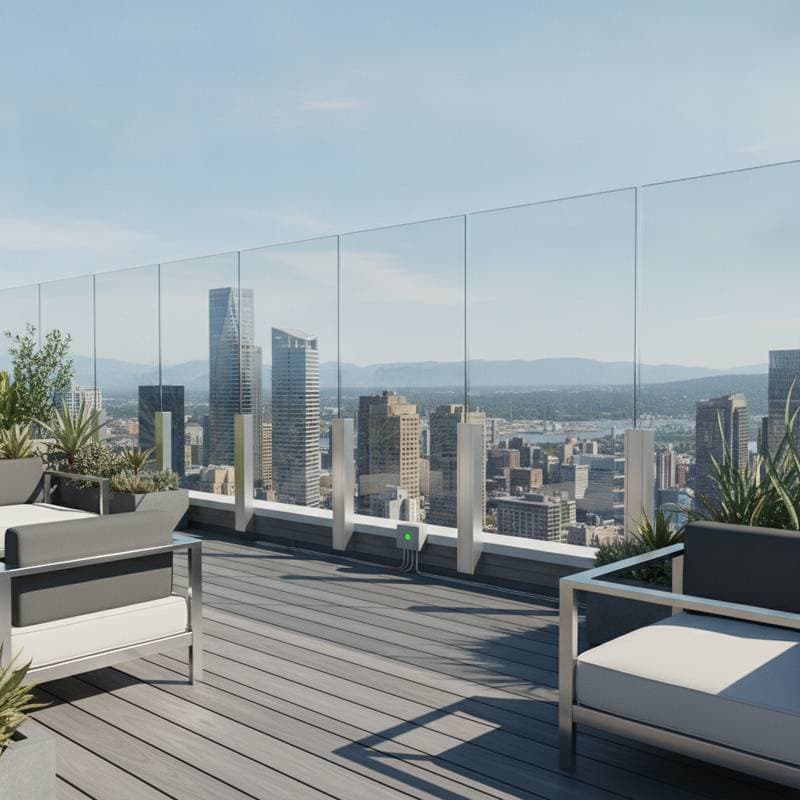
Transparent Solar Railings Turn Decks into Power Sources
Transparent solar railings convert ordinary decks into reliable sources of renewable electricity. These systems use photovoltaic glass that generates power while preserving unobstructed views. Homeowners gain safety, modern aesthetics, and lower utility costs without dedicating additional yard space.
Preparation Before Installation
Confirm that the existing deck posts and framing meet local load requirements for glass panels. Measure the railing sections accurately and order panels with pre attached wiring terminals. Gather clamps, rubber gaskets, waterproof connectors, and basic tools. Schedule electrical work with a licensed professional before any panels arrive on site.
Panel Installation Steps
Place rubber gaskets inside each clamp or bracket. Lift the glass panel into position with at least one assistant. Tighten bolts gradually on both sides to distribute pressure evenly and avoid cracking the glass. Connect the positive and negative leads from the lower edge terminals to the wiring inside the post using waterproof connectors. Test voltage at each connection before proceeding.
System Connection and Commissioning
Route the completed circuit to a small inverter mounted under the deck or behind siding. The inverter converts direct current to alternating current suitable for household circuits. For off grid lighting, connect the output to a 12 volt battery pack instead. Activate the breaker and verify that the inverter display registers power output even in partial sunlight. Apply clear silicone to all exterior joints and clean the panels with a soft cloth and mild soap.
Safety Practices
- Avoid installation during wet weather to reduce shock risk.
- Always use two people when handling each panel.
- Secure all wiring to prevent short circuits.
- Verify local codes for tempered or laminated glass load ratings.
- Label the breaker panel to identify solar circuits.
Common Issues and Resolutions
Low output usually results from loose connectors or shading. Inspect each joint with a voltage tester and remove debris or trim branches as needed. Condensation inside the glass indicates a damaged edge seal. Contact the manufacturer rather than attempting repair. Flickering lights or repeated inverter faults point to grounding problems. Confirm proper ground connections and consult a licensed electrician if the issue persists. Clean panels every few months with a soft brush and water only.
Cost Expectations and Timeline
Installed systems average 250 to 400 dollars per linear foot. A typical 20 foot deck therefore ranges from 5000 to 8000 dollars. Installation normally requires two to three days including inspection. Owners can lower expenses by preparing posts and conduit in advance while leaving electrical connections to certified personnel. Energy production of one kilowatt hour per day can reduce annual bills by several hundred dollars. Panels operate effectively for 25 to 30 years with routine care.
Ongoing Maintenance
Rinse panels every few months and use a squeegee to eliminate water spots. Inspect clamps and connections twice yearly. Monitor the inverter application for sudden drops in production. Keep nearby trees trimmed because even partial shade can cut output by up to 20 percent. Brush light snow from panels with a soft broom and avoid chemical deicers.
Battery Integration Options
Mount battery packs in shaded, ventilated locations away from direct sunlight. Wall mounting saves floor space and organizes wiring. Add a small breaker between the panel circuit and battery input. Small decks can power LED rope lights or an outdoor refrigerator directly from a 12 volt battery. Larger arrays offset general household loads when combined with rooftop solar.
Professional Assistance Requirements
Engage a licensed electrician for grid connection, inverter replacement, ground fault diagnosis, or battery bank expansion. Request a structural engineer review for older decks that must support the added weight of glass panels. Extra bracing may be necessary on upper level or rooftop installations.
Environmental and Design Advantages
Each linear foot produces up to 20 watts under full sun. A 20 foot section supplies enough electricity for multiple outdoor lights or small appliances daily. Panels consist of recyclable glass and metal. Fully transparent glass maximizes views while semi transparent options increase efficiency by up to 30 percent. Aluminum or stainless steel frames resist corrosion. Frosted lower sections provide privacy without significant power loss. These railings advance urban renewable goals by turning existing surfaces into productive energy assets.