
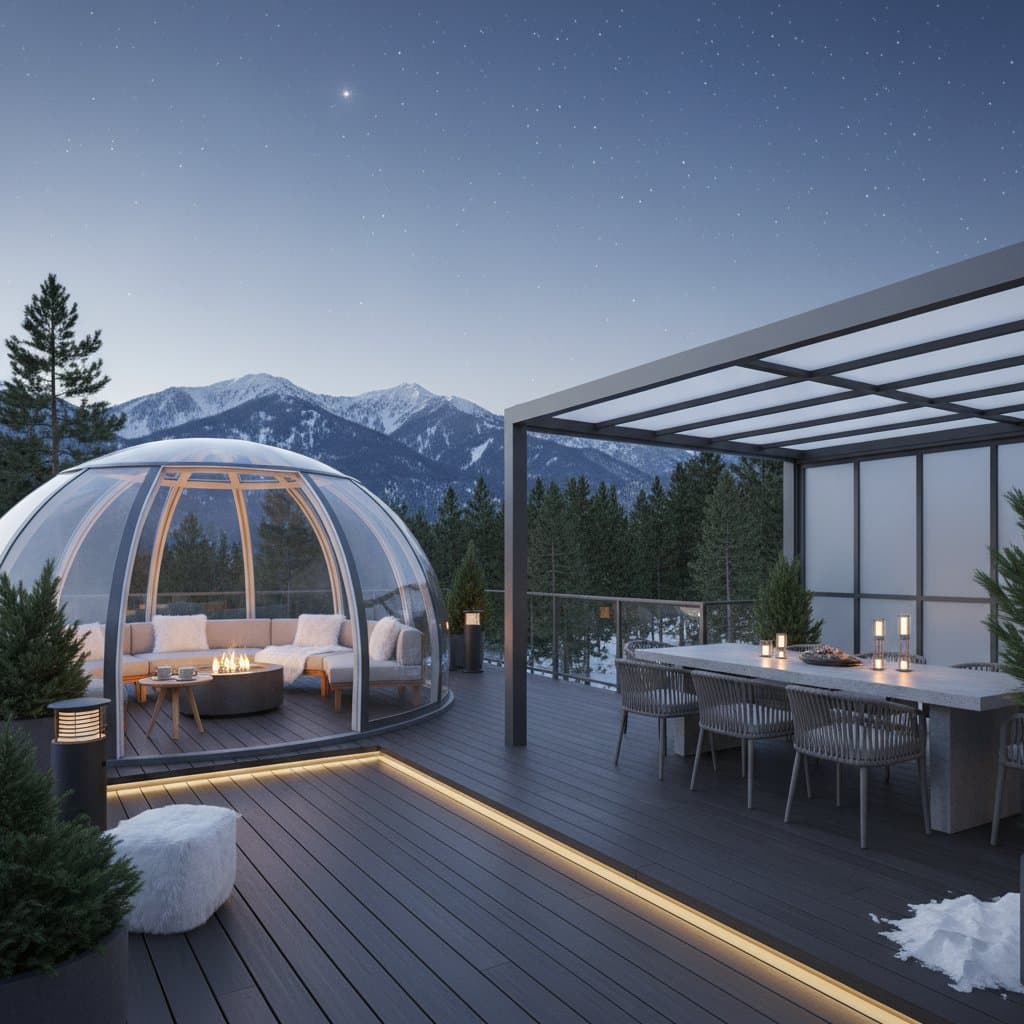
Selecting Materials for Durability and Style
Glass panels provide the sharpest visibility and superior longevity. Opt for tempered or laminated varieties featuring an R-value of 0.9 to 1.1, which offers basic insulation against temperature shifts. These materials resist shattering and withstand outdoor elements effectively.
Polycarbonate sheets serve as a lighter alternative, ideal for DIY enthusiasts due to their impact resistance. They achieve an R-value of 1.5 to 2.0, enhancing thermal performance without added weight. This option suits budgets focused on ease of handling.
Retractable pergolas incorporate coated canvas or PVC fabrics engineered for UV protection. Such coverings filter intense sunlight while permitting natural ventilation, ensuring comfort during warm days.
Consider color and tint options to optimize your setup. Clear glass admits maximum daylight, whereas bronze or gray tints minimize glare and heat gain, tailoring the enclosure to your specific climate.
Building the Structural Frame
Begin by positioning the base track around the deck's edge. Mark secure anchor points at intervals of 12 inches, or 30 centimeters. Drill pilot holes through the deck boards and into underlying joists for stability.
Secure the frame using lag screws or expansion bolts designed for exterior applications. These fasteners endure moisture and wind loads. Erect vertical posts and horizontal crossbeams, verifying levelness with a spirit tool at every joint.
Affix the upper frame, intended to support panels or retraction systems. Insert silicone or rubber gaskets between metal components and glass surfaces to block water infiltration and reduce vibration.
Mounting Panels or Canopy Systems
For dome constructions, commence installation from one boundary and proceed systematically. Position each panel onto the prepared gaskets with care to avoid scratches. Fasten them using pressure caps or specialized clips that distribute weight evenly.
Apply clear outdoor sealant along all joints to form a watertight barrier. This step prevents moisture entry and extends the lifespan of the assembly.
In retractable pergola setups, guide the fabric canopy or sliding panels into designated tracks. Perform initial tests of the mechanism prior to securing final components. Fine-tune tension levels to ensure fluid operation without fabric sagging or panel binding.
Verifying Waterproofing and Alignment
After completing the assembly, simulate rainfall by hosing water across the entire structure. Inspect for any drips or gaps in the seals. Address leaks immediately by reapplying sealant to affected areas.
Cycle the retractable elements through multiple openings and closures. Confirm smooth motion and precise alignment, adjusting as necessary to eliminate friction or misalignment.
Incorporating Comfort Enhancements
Integrate low-voltage LED strip lighting along the beams for ambient evening illumination. Position a compact, outdoor-rated heater proximate to seating zones for cooler periods.
Layer weather-resistant rugs and cushions to soften the space. Install a ceiling fan or operable vent window to regulate internal humidity and promote air circulation.
Essential Safety Guidelines
Wear protective gloves whenever manipulating glass or metal edges to prevent cuts. Avoid stepping onto the dome's surface; rely on stable ladders or scaffolding for elevated work.
Disconnect electrical sources before installing any motorized components. Maintain a minimum distance of 3 feet, or 0.9 meters, between heaters and combustible materials like fabric or polycarbonate.
In snowy conditions, remove accumulations promptly to mitigate structural stress from added weight.
Resolving Common Issues
Addressing Leaks at Seams
Reapply silicone sealant across vertical joints for reinforcement. Ensure gaskets fit uniformly without compression gaps.
Managing Internal Condensation
Incorporate a compact vent fan or partially open a panel to enhance airflow. Regularly wipe surfaces with a microfiber cloth to inhibit mold growth.
Correcting Sticking Panels
Clean track channels using mild soap and water solution. Apply silicone-based lubricant sparingly; steer clear of oil variants that accumulate debris.
Minimizing Wind-Induced Noise
Tighten all bolts to specification and insert foam padding at metal contact points. If persistent, examine anchors for loosening caused by vibration.
Routine Maintenance Practices
Glass domes and retractable pergolas require consistent, minimal upkeep to preserve functionality.
Clean glass surfaces every few months using a non-abrasive cleaner and soft cloth to remove residues without scratching.
Examine seals biannually for signs of cracking or degradation; replace worn weather stripping promptly.
Lubricate mechanical components once per season to sustain smooth operation.
Inspect bolts and anchors following severe weather events, such as storms or gusts.
Remove snow and debris regularly to avoid overloading panels.
For extended disuse, store detachable fabric elements in a dry, protected location.
Proper Storage Procedures
Label removable sections clearly before disassembly to simplify reassembly. Encase glass panels in foam padding and position them upright within a dry storage facility.
Keep track elements dry and cleared of abrasive particles. Suspend fabric canopies on broad hangers to prevent fold lines and material stress.
Estimating Costs and Timelines
Expenses fluctuate based on material selection and project scale. Basic polycarbonate domes begin at 10 to 15 dollars per square foot, whereas bespoke glass installations range from 40 to 80 dollars per square foot.
Motorized retractable pergolas position between these figures, influenced by automation features.
Professional teams complete installations in two to five days, while DIY efforts may extend to a week. Factor in additional costs for deck reinforcements or electrical integrations.
To optimize spending, blend fixed side panels with a retractable roof section for balanced protection and adaptability.
Adapting to Seasonal Changes
Tailor your enclosure's configuration to prevailing weather patterns for optimal performance.
In spring, thoroughly wash panels to eliminate pollen and accumulated dust.
During summer, vent or partially retract coverings to dissipate excess heat.
As fall arrives, scrutinize seals in preparation for dropping temperatures.
Winter demands vigilant snow clearance and cautious heater deployment.
Incorporate seasonal flora, such as ferns and herbs for warmer periods or evergreens and succulents for colder ones, to enhance the ambiance.
Indicators for Professional Assistance
Engage experts when the deck exhibits sagging or decay in its framework.
Seek help for glass panels exceeding 4 feet, or 1.2 meters, in width due to handling complexities.
Professionals handle electrical setups for lighting or motors safely.
They also design integrated drainage or gutter solutions.
Inquire about load-bearing certifications, material warranties, motor safety standards, and compliance with local permits.
Experts ensure aesthetic harmony between the enclosure and your home's facade.
Essential Insights
Glass domes or retractable pergolas convert exposed decks into enduring outdoor sanctuaries. They preserve panoramic views and natural light while shielding against inclement weather.
Decisions hinge on material durability, operational flexibility, and financial parameters. Glass delivers enduring elegance, polycarbonate provides manageable weight, and fabric ensures affordable versatility.
Steps to Implementation
- Measure the area precisely and define objectives, like covering half the deck with a retractable element.
- Select materials aligned with your priorities for insulation and aesthetics.
- Establish a seasonal maintenance schedule, including cleaning and inspections, to ensure longevity.
Strategies for Optimal Results
Maintain reserves of gaskets and sealants for immediate repairs.
Conduct monthly tests on retractable mechanisms to avert malfunctions.
Incorporate temperature sensors or automated controls for efficient ventilation.
Select furnishings scaled to the enclosure's dimensions to prevent clutter.
Employ neutral palettes and organic textures to foster a welcoming atmosphere.
Pitfalls to Sidestep
Overlook deck load capacity at your peril; verify structural integrity beforehand.
Neglect joint sealants, as minor fissures invite substantial leaks.
Fail to plan for ventilation, risking trapped moisture in enclosed glass areas.
Position oversized heaters too closely, compromising safety margins.
Procure panels lacking UV safeguards, leading to premature discoloration or failure.
Advancing Your Project
- Evaluate your deck's current condition for robustness and available space.
- Investigate compatible dome or pergola kits matching your specifications.
- Schedule recurring checks for cleaning and seal integrity across seasons.