
Loading...

5 Container Balcony Gardens to Feed Urban Bees | urbanoutdoorsnyc.com | Urban Outdoors - Small-Space Gardens, Rooftop Decks, Balconies, Decks, Backyard Design
Skip to main content
Urban Outdoors
Search
Home
  1. Home
  2. /
  3. Small-Space Gardens
  4. /
  5. Balcony Gardens That Feed City Bees in 5 Containers
Small-Space Gardens

Balcony Gardens That Feed City Bees in 5 Containers

byAnne Marion
2026-03-12 04:21:02March 12, 2026
5 min read
Featured image for Balcony Gardens That Feed City Bees in 5 Containers

Categories

Navigation

  • Home
  • All Articles
  • About Us
  • Privacy Policy
  • Terms of Service

© 2026 Urban Outdoors. Crafted for bold city dwellers.

2026-03-12 04:21:02
Urban Outdoors - Small-Space Gardens, Rooftop Decks, Balconies, Decks, Backyard Design

Introduction to Balcony Pollinator Gardens

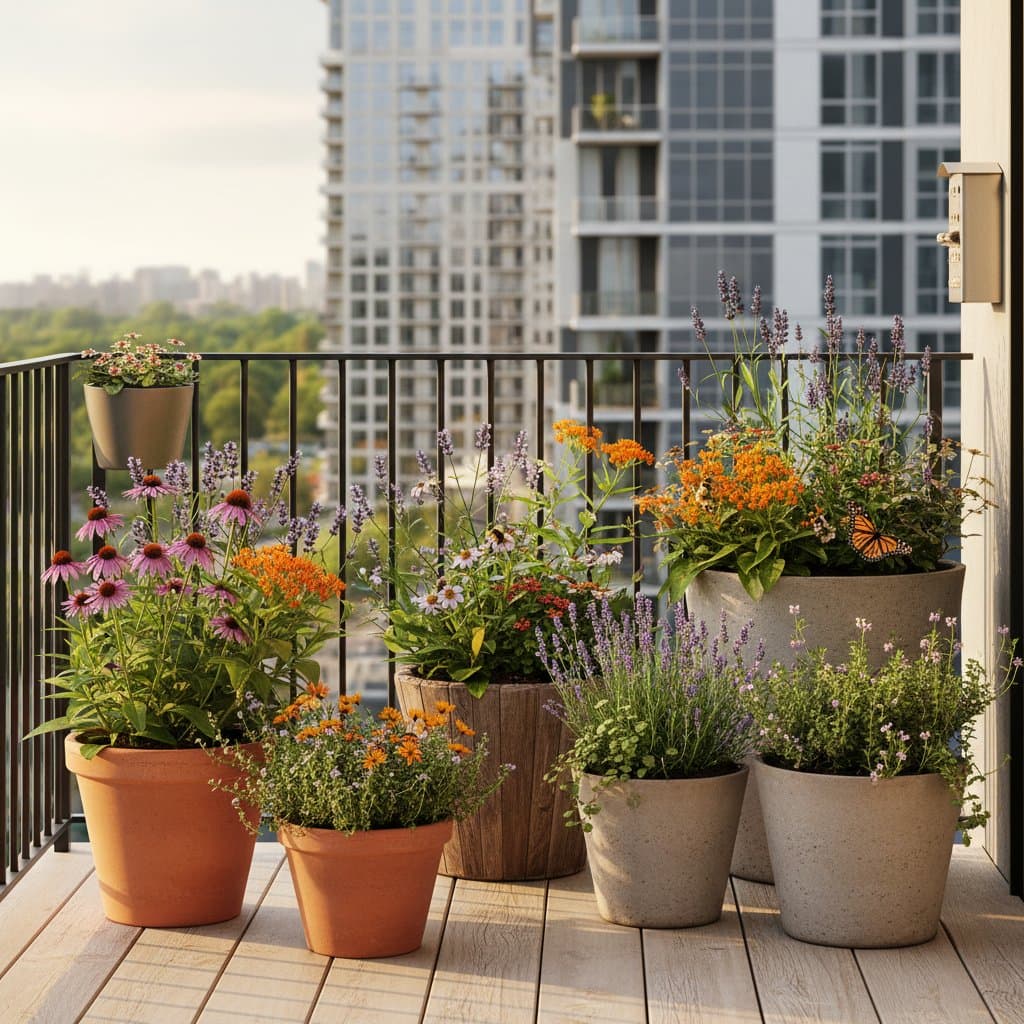
Urban environments challenge pollinators like bees and butterflies, yet small spaces offer opportunities for support. A balcony garden with five containers can provide essential nectar and pollen sources, fostering biodiversity in concrete landscapes. These gardens not only aid insects but also enhance aesthetic appeal and personal well-being.

Selecting native plants ensures compatibility with local climates and maximizes pollinator attraction. Focus on species that bloom across seasons to sustain visitors year-round. With minimal investment and effort, such setups demonstrate the impact of urban greening.

Budgeting for Your Garden

Initial costs remain accessible for city dwellers. Allocate 20 to 30 dollars for five durable containers, such as terracotta or recycled plastic pots with drainage holes. Plants cost 40 to 60 dollars, prioritizing perennials like bee balm, coneflowers, and salvia for lasting value.

Small tools and extras, including trowels, gloves, and gravel for drainage, add 10 to 20 dollars. For ongoing care, budget about 10 dollars monthly for compost or organic fertilizer. Perennial choices reduce replanting needs, keeping expenses low over time.

If the balcony experiences intense sun or wind, invest in protective screens or shade cloth, adding a few hours to setup. These elements prevent plant stress and ensure long-term success.

Selecting Containers and Plants

Choose containers that suit balcony constraints, opting for sizes between 8 and 12 inches in diameter to balance space and root growth. Ensure each has drainage to avoid waterlogging, which harms roots. Position pots to capture at least six hours of sunlight daily, ideal for most pollinator plants.

Prioritize native species for resilience and appeal. Early bloomers such as wild columbine or phlox provide spring forage, while summer options like black-eyed Susan sustain activity. Fall plants, including goldenrod and asters, offer late-season resources. Mix heights and colors to create visual interest and efficient pollinator pathways.

Group containers closely to concentrate scents and colors, making the garden easier for bees to locate. This clustering mimics natural habitats and boosts visitation rates.

Setup and Planting Steps

Begin by preparing the site. Clean the balcony surface and arrange containers in a stable configuration, securing them against wind with ties or weights. Layer gravel at the bottom of each pot for drainage, followed by potting soil enriched with compost.

Plant during mild weather, spacing roots evenly and firming soil around them. Water thoroughly after planting to settle the medium. Introduce a shallow saucer filled with pebbles and water nearby, serving as a safe drinking station for insects.

Monitor initial growth for a week, adjusting positions if needed. Deadhead spent flowers promptly to encourage reblooming and maintain nectar availability.

Smart Storage Solutions

Efficient storage preserves balcony usability in limited spaces. Stack empty pots nested within one another to save floor area. Store soil and compost in sealed, watertight bins tucked under benches or shelves.

Hang tools on a pegboard mounted to the wall for quick access. Organize seeds and cuttings in labeled envelopes inside a dry, protected box. These methods require only a few square feet, promoting a clutter-free environment that enhances enjoyment.

Regular organization prevents frustration and supports consistent garden maintenance.

Maintenance Routines

Water plants deeply but infrequently, allowing soil to dry slightly between sessions to promote healthy roots. Apply organic fertilizer sparingly during the growing season to nourish without overwhelming.

Avoid chemical pesticides entirely; they harm beneficial insects. Instead, hand-remove pests or use natural deterrents like neem oil. Prune selectively to shape plants and remove diseased parts, ensuring vitality.

Seasonal tasks include mulching in winter for protection and refreshing soil annually. These practices sustain the garden's productivity and pollinator draw.

Key Benefits and Takeaways

A five-container setup can support dozens of bees per season, contributing to urban ecosystems. Native plants attract more pollinators and thrive in local conditions with less intervention.

Consistent care, such as regular watering and deadheading, ensures ongoing blooms. Grouping plants facilitates easier navigation for insects, amplifying the garden's effectiveness.

Individual efforts compound; widespread adoption creates interconnected habitats across neighborhoods, strengthening city-wide biodiversity.

Expanding and Sharing Your Garden

Start modestly with three containers featuring varied flowering plants, placed in partial sun. Add a water source immediately to invite early visitors. Within weeks, observe increased insect activity.

Scale to five pots by incorporating diverse bloom periods: spring crocuses for awakening bees, summer lavender for peak foraging, and autumn sedum for endurance. This sequence eliminates food shortages.

Engage neighbors to form a collective pollinator network, sharing resources like seeds or divisions. Involve children in tasks such as watering or tracking visits, instilling appreciation for ecological balance.

Consult local resources, including botanical societies, for region-specific plant recommendations. Annual updates keep the garden relevant and robust.

Lasting Impact of Urban Pollinators

Beyond decoration, these gardens restore vital links in food chains disrupted by urbanization. They support pollination for nearby parks and community plots, indirectly benefiting agriculture. Personal involvement yields satisfaction from tangible environmental contributions, proving small actions yield substantial results.

You Might Also Like

The Plant Trick That Silences Balcony Street Noise

Native Grasses Create Low-Maintenance Balcony Prairies

Fast Bamboo Screens Block Views in Weeks

Native Plants Transform Deck Edges Into Pollinator Havens

Using Plants to Block Noise in Tiny City Gardens

Tagged:

plants,biodiversity,urban,friendly,pollinator,bee,bee-friendly-plants,urban-biodiversity,balconies,pollinator-balconies

Recent by Anne Marion

Image for Solar Pergolas Cut Cooling Costs While Powering Your Deck

Solar Pergolas Cut Cooling Costs While Powering Your Deck

Mar 11, 2026
Image for Solar Pergolas Cut Deck Heat While Powering Your Home

Solar Pergolas Cut Deck Heat While Powering Your Home

Mar 7, 2026

plants

Image for The Plant Trick That Silences Balcony Street Noise

The Plant Trick That Silences Balcony Street Noise

Mar 10, 2026
Image for Native Grasses Create Low-Maintenance Balcony Prairies

Native Grasses Create Low-Maintenance Balcony Prairies

Mar 9, 2026
Image for Fast Bamboo Screens Block Views in Weeks

Fast Bamboo Screens Block Views in Weeks

Mar 8, 2026
Image for Native Plants Transform Deck Edges Into Pollinator Havens

Native Plants Transform Deck Edges Into Pollinator Havens

Mar 7, 2026
Image for Using Plants to Block Noise in Tiny City Gardens

Using Plants to Block Noise in Tiny City Gardens

Mar 6, 2026

Small-Space Gardens

AI Sensors Cut Water Waste and End Plant Guesswork

Elevate your balcony or windowsill garden using AI sensors that track soil, light, and nutrients instantly. Discover automation techniques to cut water use, avoid plant distress, and streamline maintenance for precise, rewarding results in urban settings.

Mar 12, 2026

Balcony Gardens That Feed City Bees in 5 Containers

Turn a compact balcony into a vital habitat for pollinators using simple containers and native flora. This practical guide details plant selections, setup tips, and maintenance routines that draw bees, support ecosystems, and elevate city greenery.

Mar 12, 2026

AI Cuts Balcony Watering Work by Half

Transform your urban balcony into a vibrant garden using AI-powered watering technology. Intelligent sensors and mobile applications eliminate uncertainty in plant hydration, conserve resources, and maintain lush growth. Discover setup methods, personalization options, and upkeep strategies that require no advanced horticultural skills, only innovative tools.

Mar 8, 2026

Categories

Deck Construction & Remodeling(214)
Balcony Design(184)
Small-Space Gardens(79)
Rooftop Decks(74)
Backyard Design(21)

Using Plants to Block Noise in Tiny City Gardens

Turn a bustling urban garden into a tranquil haven by leveraging plants to dampen noise. Dense shrubs, varied greenery layers, and textured plants work together to absorb and redirect sound waves. Gain insights into optimal plant selections, arrangement techniques, and upkeep advice for a vibrant, noise-mitigating retreat.

Mar 6, 2026

Plants That Absorb City Noise on Small Balconies

Turn a bustling city balcony into a tranquil haven using sound-absorbing plants. This guide covers optimal choices like bamboo, ferns, vines, and evergreens, plus arrangement strategies, container tips, and upkeep advice to enhance quiet and aesthetics in limited spaces.

Mar 3, 2026

Turn 100 Square Feet Into a Thriving Urban Meadow

Revitalize neglected urban corners into serene, pollinator-friendly meadows within 100 square feet. Explore practical steps for site assessment, selecting native plants, installation, and ongoing care to foster biodiversity and tranquility in city environments.

Feb 27, 2026

Balcony Fish Tanks Feed Plants While Cleaning Water

Convert your balcony into a compact, self-sustaining garden using aquaponics. Fish provide nutrients for plants, which in turn cleanse the water, enabling continuous harvests of lettuce and herbs. Explore setup, maintenance, and tips for efficient urban food production that reduces costs and environmental impact.

Feb 27, 2026

Silent Drip Tape Solves Deck Container Watering

Convert a compact deck into a vibrant garden using silent drip tape. This low-pressure system delivers precise hydration to container plants without generating noise or wasting resources. Follow steps to plan, install, and maintain the setup for reliable moisture, reduced maintenance, and an enhanced urban outdoor space.

Feb 22, 2026

Fish Waste Feeds Plants in 4x6 Feet of Space

Convert your balcony into a self-sustaining food system with aquaponics, where fish and plants support each other in a closed-loop setup. This guide details how to design, assemble, and maintain a compact system in a 4x6-foot space, yielding fresh greens and nutritious fish while conserving water and eliminating synthetic fertilizers.

Feb 16, 2026

Dwarf Fruit Trees Turn Balconies into Productive Orchards

Transform your balcony into a productive micro-orchard with dwarf fruit trees designed for containers. These compact varieties deliver full-sized flavor from citrus, figs, apples, peaches, and cherries. Follow expert guidance on selection, setup, and maintenance to harvest fresh fruit, add seasonal beauty, and create a serene urban retreat.

Feb 16, 2026

Build Living Walls That Block Urban Noise

Urban noise can disrupt outdoor enjoyment, but a well-designed living wall offers an effective solution. This guide details how to construct an acoustic plant barrier that reduces sound, boosts greenery, and improves air quality in compact yards. Follow these practical steps to install a sustainable feature that requires minimal ongoing effort.

Feb 15, 2026

AI Drip Systems End Uneven Deck Garden Watering

Elevate your deck garden with AI-powered drip irrigation that maintains ideal soil moisture through sensors, intelligent controls, and adaptive algorithms. This guide covers planning, setup, and optimization for a hassle-free, eco-friendly watering solution tailored to urban outdoor spaces.

Feb 14, 2026

Dwarf Fruit Trees Bring Fresh Harvest to Your Balcony

Transform your balcony into a productive mini orchard using dwarf fruit trees. Select suitable varieties, containers, and soil mixtures, and follow guidance on pruning, watering, and seasonal maintenance. Harvest pesticide-free fruit, gain lush greenery, and create a serene urban oasis.

Feb 12, 2026

Pergolas That Fit Balconies Under Six Feet Wide

Turn a narrow balcony into a private outdoor haven with a compact pergola under six feet wide. This guide covers planning essentials, step-by-step construction, material choices, safety measures, budget considerations, and maintenance strategies to create a functional shaded retreat in urban environments.

Feb 11, 2026

AI Sensors Text Care Reminders to Your Balcony Plants

Struggling to keep balcony plants healthy in the city? AI-powered sensors eliminate guesswork by monitoring key conditions like soil moisture, light exposure, and humidity. These devices send direct text reminders to your phone, guiding you toward optimal care and vibrant growth year-round.

Feb 9, 2026

AI Plant Walls Cut Daily Watering to 10 Minutes a Week

Convert urban walls into thriving, self-sustaining gardens using AI plant walls. These innovative systems manage irrigation, lighting, and nutrients automatically, delivering lush foliage with minimal effort while boosting indoor air purity and aesthetic appeal.

Feb 7, 2026

Watering 50+ Pots From a Single Faucet

Convert your balcony's potted plants into a low-maintenance green haven using a micro-drip irrigation system. This practical guide details automatic watering for more than 50 pots, eliminating daily tasks while ensuring optimal hydration. Explore essential tools, installation from testing to timing, plus solutions for common issues and upkeep strategies for sustained success.

Feb 2, 2026

Grow 30 Plants in 2 Feet Using Nutrient Mist

Transform a narrow balcony into a productive aeroponic farm by 2026. These soil-free towers support up to 30 plants with efficient nutrient mist, delivering year-round greens while minimizing water use, space demands, and maintenance.

Feb 1, 2026

Simple Drip Systems That Water While You Work

Elevate your urban balcony garden with a simple, app-free micro drip irrigation system. This practical guide covers tools, installation steps, troubleshooting, and maintenance to ensure reliable watering and vibrant plants, even during busy schedules.

Jan 31, 2026

How Urban Gardens Cut City Noise by 70%

Convert your bustling urban garden into a tranquil haven using layered vegetation and sound-dampening materials. This comprehensive guide details how evergreens, grasses, mulch, and permeable surfaces can diminish noise by up to 70 percent, fostering a soothing space that filters out urban clamor while enhancing natural serenity.

Jan 31, 2026