
Loading...

Block 70% Urban Noise with Compact Garden Walls | urbanoutdoorsnyc.com | Urban Outdoors - Small-Space Gardens, Rooftop Decks, Balconies, Decks, Backyard Design
Skip to main content
Urban Outdoors
Search
Home
  1. Home
  2. /
  3. Small-Space Gardens
  4. /
  5. Garden Walls That Block 70% City Noise in Small Spaces
Small-Space Gardens

Garden Walls That Block 70% City Noise in Small Spaces

byDawn Hayden
2026-03-21 04:56:47March 21, 2026
6 min read
Featured image for Garden Walls That Block 70% City Noise in Small Spaces

Categories

Navigation

  • Home
  • All Articles
  • About Us
  • Privacy Policy
  • Terms of Service

© 2026 Urban Outdoors. Crafted for bold city dwellers.

2026-03-21 04:56:47
Urban Outdoors - Small-Space Gardens, Rooftop Decks, Balconies, Decks, Backyard Design

Build Garden Walls to Block 70% of Urban Noise in Compact Spaces

Urban environments pulse with activity, yet persistent noise from traffic, construction, and neighbors often disrupts daily life. A well-designed garden wall serves as an effective sound barrier, capable of reducing up to 70 percent of such intrusions. This structure transforms limited outdoor areas, such as balconies or patios, into quiet sanctuaries without demanding excessive space or resources.

The process involves creating a sturdy, sound-dampening partition that reflects and absorbs auditory waves. Readers gain insights into the principles of acoustic performance, suitable materials, and step-by-step construction methods to ensure safety and efficacy.

Understanding Garden Noise Walls

A garden noise wall functions as a robust obstacle in the path of sound propagation. Sound waves lose intensity upon striking a dense surface, with portions reflected away and others absorbed into the material. Optimal designs feature continuity without breaks, as even minor openings allow noise to penetrate.

For small urban settings, aim for a height between six and eight feet to intercept most sound sources at street level. Thickness plays a crucial role; materials denser than one inch provide superior attenuation for frequencies common in city settings, such as vehicle horns or voices. Testing from organizations like the National Institute for Occupational Safety and Health indicates that such walls can achieve significant decibel reductions when properly sealed.

Key advantages include:

  • Reduction of ambient noise by up to 70 percent, fostering a quieter environment for reading or dining outdoors.
  • Enhanced privacy that shields views from adjacent buildings or passersby.
  • Supplementary benefits like moderate shielding from wind and integration of vegetation for visual appeal.
  • Increased property value through improved outdoor usability in dense neighborhoods.

Selecting Tools and Materials

Assemble the following essentials for a reliable installation:

  • Acoustic-rated panels or blocks, including options like mass-loaded vinyl, fiber cement, or pressure-treated wood composites (select thicknesses from one to two inches for balanced weight and performance).
  • Support posts made of galvanized steel or treated lumber, positioned at intervals of four to six feet to maintain structural integrity.
  • Acoustic sealant or silicone-based caulk designed for exterior use to eliminate sound leaks.
  • Basic tools: a spirit level, power drill with bits, tape measure, and post hole digger.
  • Safety equipment: heavy-duty gloves, protective eyewear, and a respirator mask to guard against dust and fumes.

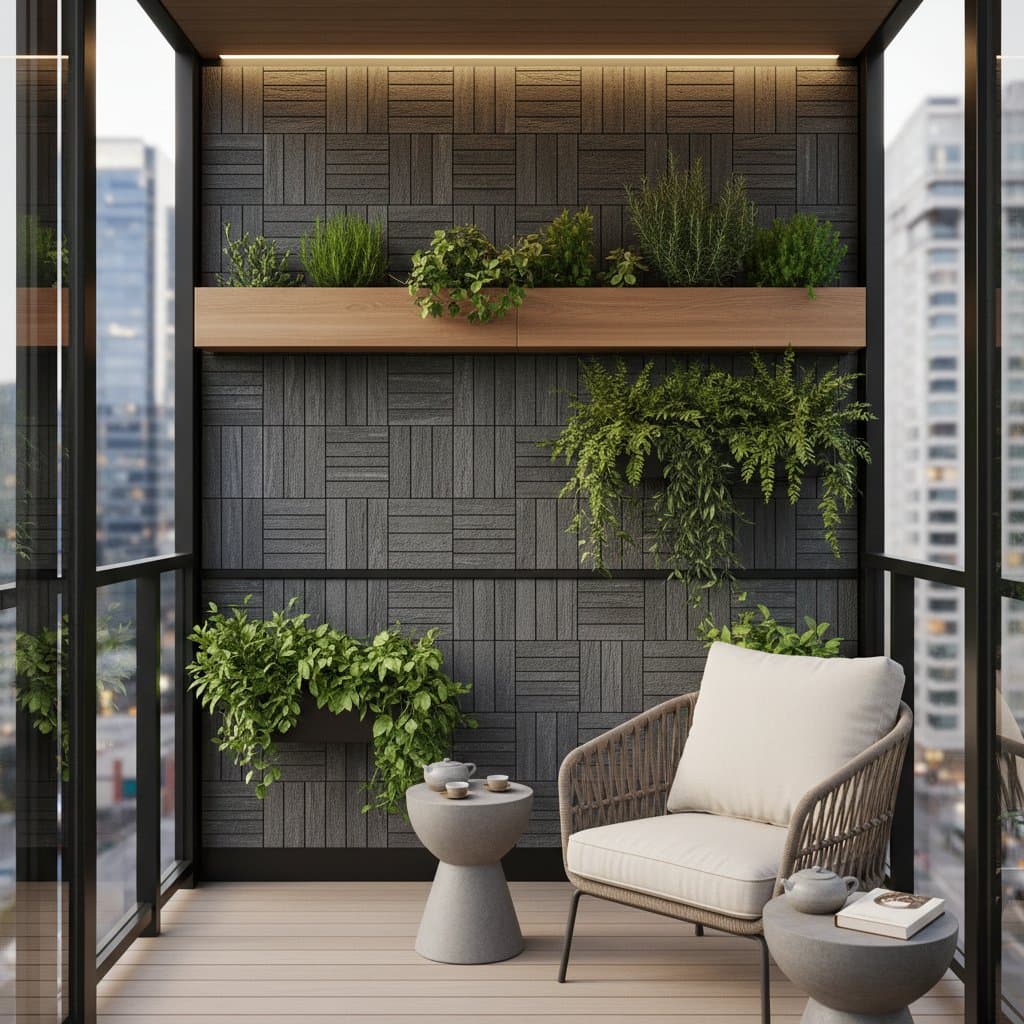
To incorporate natural elements, prepare trellis frameworks and modular planter boxes. These additions not only camouflage the barrier but also contribute to noise absorption through foliage density. Consider local climate when choosing; for humid areas, opt for rot-resistant composites to ensure longevity.

Construction Steps

Follow these sequential instructions to erect a functional garden wall over a single weekend.

Step 1: Plan and Measure the Site

Evaluate the target area by measuring its full length and noting any obstacles like railings or utilities. Position post locations at even intervals of four to six feet, adjusting closer for walls exceeding six feet in height to bolster stability against wind loads. Sketch a simple diagram to visualize panel alignment and ensure the design complies with building codes for freestanding structures.

Step 2: Install Support Posts

Dig holes at least two feet deep for each post, wider than the post diameter to accommodate concrete. Pour quick-setting concrete around the bases, ensuring posts remain vertical by using a level on multiple sides. Allow 24 hours for curing; this foundation prevents shifting that could compromise the wall's noise-blocking effectiveness over time.

Step 3: Mount the Acoustic Panels

Begin attachment at the ground level, securing panels sequentially with corrosion-resistant screws driven into the posts. Overlap edges slightly and apply sealant along all joints to form an airtight seal, as gaps larger than half an inch can diminish performance by allowing sound diffraction. For modular systems, snap-lock mechanisms simplify alignment while maintaining density.

Step 4: Apply Finishing Elements

Cap the top edge with weatherproof trim boards or metal flashing to deflect rainwater and prevent material degradation. Seal side edges similarly, creating a polished contour that resists moisture ingress. These measures extend durability, particularly in rainy urban climates, and enhance the overall aesthetic integration with surrounding landscaping.

Step 5: Integrate Greenery for Enhanced Absorption

Affix planter boxes along the base or trellises to the front face, planting species like English ivy, climbing hydrangea, or dwarf bamboo. These selections thrive in partial shade and partial sun typical of city spaces. Vegetation layers further attenuate mid-range frequencies by scattering sound waves, complementing the structural barrier for comprehensive noise control.

Safety Considerations: Lift panels with assistance to avoid strain, and secure work areas to prevent falls from elevated platforms. Consult local regulations if the wall adjoins property lines.

Addressing Common Issues

Persistent noise leakage often stems from unsealed bases or uneven panel fits. Inspect thoroughly and remedy by inserting foam gaskets or backfilling with compacted gravel. Research shows that eliminating a one-inch gap can restore up to 20 percent of lost attenuation. If vibrations from low-frequency sources like buses persist, add mass-loaded barriers at the foundation.

For aesthetic mismatches, repaint non-porous panels with exterior-grade latex to blend with garden themes. Monitor for material warping in extreme heat, adjusting with flexible sealants as needed.

Upkeep and Longevity

Conduct seasonal inspections to identify wear, such as loosened fasteners or sealant cracks. Retighten hardware and reapply caulk promptly to preserve acoustic integrity. Wash surfaces using a soft brush and diluted dish soap, rinsing thoroughly to avoid residue buildup.

Wood-based materials require biennial treatment with penetrating sealers to combat swelling from humidity. Vinyl or concrete options demand less intervention but benefit from UV-protective coatings in sunny exposures. With routine care, expect 10 to 15 years of reliable service before major refurbishments.

Cost and Timeline Estimates

Budget $400 to $900 for an eight-foot-long by six-foot-high wall, varying with material choices; economical concrete blocks keep costs low, while premium acoustic composites elevate expenses. Labor requires one full weekend for solo efforts, or a single day with help. Prefabricated kits streamline assembly, reducing on-site time at a modest premium.

Professional Assistance Options

Engage a contractor for complex sites involving shared boundaries or heights over eight feet, ensuring compliance with zoning laws. Request specifications meeting Sound Transmission Class (STC) ratings of 25 or above, verified through independent testing. Acoustics experts can perform pre- and post-installation decibel measurements for quantifiable results.

Achieve Lasting Urban Tranquility

Measure your outdoor space and baseline noise levels during peak hours to inform material selections. Proceed with dense, manageable components for a straightforward build, then layer in plants for a harmonious blend of function and nature. This investment yields immediate relief from urban clamor, elevating everyday outdoor experiences into restorative moments.

You Might Also Like

Shaping Rooftop Zones for Three-Season Comfort

Acoustic Screens Cut Deck Noise by Half or More

Dual Panels Cut Deck Noise 60% While Dividing Space

Grow Fresh Herbs Right on Your Deck Railing

Sound-Absorbing Plants Cut Balcony Noise 60%

Tagged:

Privacy,noise reduction,urban,noise,reduction,sound,barriers,sound-barriers,urban-privacy

Recent by Dawn Hayden

Image for Mirror Fences Make Small Balconies Feel Twice as Big

Mirror Fences Make Small Balconies Feel Twice as Big

May 16, 2026
Image for AI Drip Systems Cut Balcony Watering by Half

AI Drip Systems Cut Balcony Watering by Half

May 1, 2026
Image for Mycelium Decking Rivals Wood Without Cutting Trees

Mycelium Decking Rivals Wood Without Cutting Trees

Apr 29, 2026
Image for Balcony Misting Systems Drop Temperature 20° Fast

Balcony Misting Systems Drop Temperature 20° Fast

Apr 28, 2026

Privacy

Image for Acoustic Screens Cut Deck Noise by Half or More

Acoustic Screens Cut Deck Noise by Half or More

May 1, 2026
Image for Dual Panels Cut Deck Noise 60% While Dividing Space

Dual Panels Cut Deck Noise 60% While Dividing Space

Apr 25, 2026
Image for Sound-Absorbing Plants Cut Balcony Noise 60%

Small-Space Gardens

Create a Night-Blooming Balcony Garden That Thrives

Turn a compact urban balcony into a captivating moonlit garden featuring night-blooming flora, strategic lighting, and thoughtful design. This comprehensive guide details plant selection, space planning, installation basics, ongoing maintenance, and troubleshooting to help you cultivate a fragrant, glowing outdoor haven amid city lights.

Apr 30, 2026

AI Balconies Learn Your Plants' Water Rhythm

Turn your compact balcony into a vibrant, low-effort garden using AI self-watering technology. Sensors monitor soil moisture, pumps deliver precise water amounts, and apps adjust schedules automatically. This comprehensive guide addresses installation, customization, upkeep, and precautions to ensure healthy plants with minimal intervention.

Apr 30, 2026

AI Mirrors Double Sunlight for Shaded Balcony Gardens

Overcome balcony shade with AI mirrors that track and redirect sunlight to boost plant health. This guide covers installation, maintenance, and benefits like reduced energy costs for year-round urban gardening success.

Categories

Deck Construction & Remodeling(250)
Balcony Design(213)
Small-Space Gardens(89)
Rooftop Decks(88)
Backyard Design(22)

Sound-Absorbing Plants Cut Balcony Noise 60%

Apr 22, 2026
Image for Acoustic Panels Cut Deck Noise By Half Without Walls

Acoustic Panels Cut Deck Noise By Half Without Walls

Apr 21, 2026
Image for Fast Bamboo Screens Block Views in Weeks

Fast Bamboo Screens Block Views in Weeks

Mar 8, 2026
Apr 29, 2026

AI Garden Cams Spot Plant Stress Before You Can See It

Elevate your urban garden with AI cameras that track light, moisture, and growth in real time. Eliminate guesswork in plant care through app alerts and insights, ideal for balconies and rooftops facing city challenges.

Apr 21, 2026

AI Watering Systems Cut Garden Work by Half

Eliminate uncertainty in plant care with AI-driven irrigation. These systems employ sensors and predictive analytics to automate watering, slashing time spent on chores while ensuring efficient resource use and lush results in limited spaces.

Apr 18, 2026

Solar Drips Water Your Balcony Garden Automatically

Convert your balcony into a low-maintenance garden paradise using solar-powered drip irrigation. This sustainable solution harnesses sunlight to deliver precise watering, conserving resources while promoting healthy plant growth. Discover planning, installation, and upkeep strategies to sustain vibrant urban greenery throughout the year.

Apr 14, 2026

Water 40 Plants from One Bottle with Micro-Drip

Elevate your balcony garden with a micro-drip irrigation system that hydrates up to 40 plants from one bottle. This guide covers setup instructions, troubleshooting, seasonal care, and ways to achieve water-efficient, low-effort plant health in city spaces.

Mar 31, 2026

Garden Walls That Block 70% City Noise in Small Spaces

Convert a bustling urban balcony or patio into a tranquil haven using a garden wall that diminishes up to 70 percent of city noise. This guide covers selecting optimal materials, installing sound-absorbing panels, incorporating plants, and performing upkeep to achieve enduring noise mitigation, seclusion, and aesthetic appeal in just one weekend.

Mar 21, 2026

Turn Your Balcony into a Pollinator Refuge

Elevate your balcony into a flourishing pollinator retreat featuring native flowers, basic equipment, and thoughtful maintenance. This guide demonstrates how modest planters can support bees and butterflies, boost city biodiversity, and add vivid hues to apartment living with limited space, expense, and mere minutes of daily attention.

Mar 19, 2026

Native Plants Turn Balconies into Bee Havens

Elevate your balcony into a vibrant pollinator sanctuary by incorporating native plants that support bees year-round. This guide covers plant selection for diverse blooms, optimal setup in containers, essential care routines, and strategies to ensure safety and longevity in compact urban spaces.

Mar 16, 2026

AI Sensors Cut Water Waste and End Plant Guesswork

Elevate your balcony or windowsill garden using AI sensors that track soil, light, and nutrients instantly. Discover automation techniques to cut water use, avoid plant distress, and streamline maintenance for precise, rewarding results in urban settings.

Mar 12, 2026

Balcony Gardens That Feed City Bees in 5 Containers

Turn a compact balcony into a vital habitat for pollinators using simple containers and native flora. This practical guide details plant selections, setup tips, and maintenance routines that draw bees, support ecosystems, and elevate city greenery.

Mar 12, 2026

AI Cuts Balcony Watering Work by Half

Transform your urban balcony into a vibrant garden using AI-powered watering technology. Intelligent sensors and mobile applications eliminate uncertainty in plant hydration, conserve resources, and maintain lush growth. Discover setup methods, personalization options, and upkeep strategies that require no advanced horticultural skills, only innovative tools.

Mar 8, 2026

Using Plants to Block Noise in Tiny City Gardens

Turn a bustling urban garden into a tranquil haven by leveraging plants to dampen noise. Dense shrubs, varied greenery layers, and textured plants work together to absorb and redirect sound waves. Gain insights into optimal plant selections, arrangement techniques, and upkeep advice for a vibrant, noise-mitigating retreat.

Mar 6, 2026

Plants That Absorb City Noise on Small Balconies

Turn a bustling city balcony into a tranquil haven using sound-absorbing plants. This guide covers optimal choices like bamboo, ferns, vines, and evergreens, plus arrangement strategies, container tips, and upkeep advice to enhance quiet and aesthetics in limited spaces.

Mar 3, 2026

Turn 100 Square Feet Into a Thriving Urban Meadow

Revitalize neglected urban corners into serene, pollinator-friendly meadows within 100 square feet. Explore practical steps for site assessment, selecting native plants, installation, and ongoing care to foster biodiversity and tranquility in city environments.

Feb 27, 2026

Balcony Fish Tanks Feed Plants While Cleaning Water

Convert your balcony into a compact, self-sustaining garden using aquaponics. Fish provide nutrients for plants, which in turn cleanse the water, enabling continuous harvests of lettuce and herbs. Explore setup, maintenance, and tips for efficient urban food production that reduces costs and environmental impact.

Feb 27, 2026

Silent Drip Tape Solves Deck Container Watering

Convert a compact deck into a vibrant garden using silent drip tape. This low-pressure system delivers precise hydration to container plants without generating noise or wasting resources. Follow steps to plan, install, and maintain the setup for reliable moisture, reduced maintenance, and an enhanced urban outdoor space.

Feb 22, 2026

Fish Waste Feeds Plants in 4x6 Feet of Space

Convert your balcony into a self-sustaining food system with aquaponics, where fish and plants support each other in a closed-loop setup. This guide details how to design, assemble, and maintain a compact system in a 4x6-foot space, yielding fresh greens and nutritious fish while conserving water and eliminating synthetic fertilizers.

Feb 16, 2026

Dwarf Fruit Trees Turn Balconies into Productive Orchards

Transform your balcony into a productive micro-orchard with dwarf fruit trees designed for containers. These compact varieties deliver full-sized flavor from citrus, figs, apples, peaches, and cherries. Follow expert guidance on selection, setup, and maintenance to harvest fresh fruit, add seasonal beauty, and create a serene urban retreat.

Feb 16, 2026