
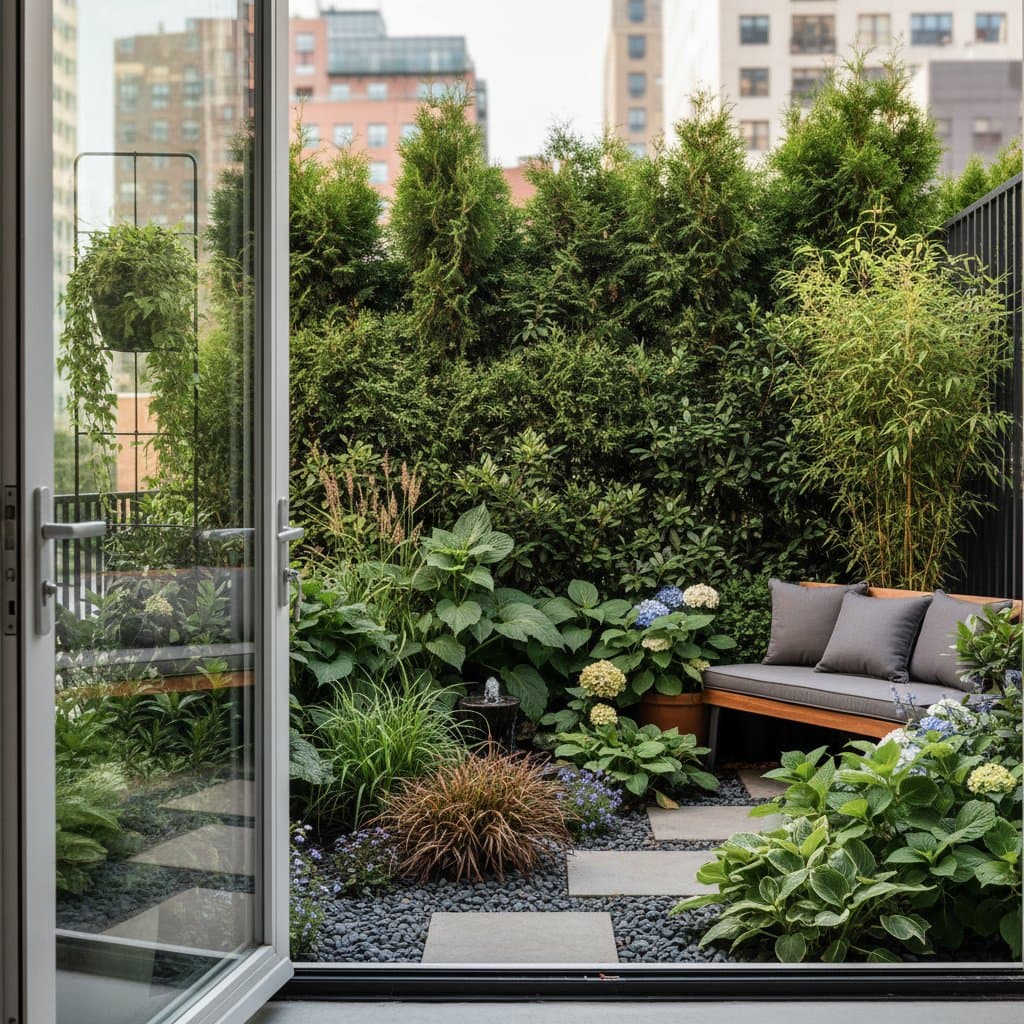
Creating Quiet Corners: Using Plants to Muffle Urban Noise in Small City Gardens
Urban gardens offer a welcome escape from daily life. Yet persistent sounds from traffic, neighbors, or construction often intrude on this sanctuary. Plants provide an effective, aesthetic solution to mitigate these disturbances. Through strategic choices and arrangements, foliage can absorb vibrations, scatter waves, and foster serenity without altering the natural appeal of the space.
The principle relies on how vegetation interacts with acoustics. Leaves and branches disrupt sound propagation, while soil and mulch dampen vibrations at ground level. In compact settings, vertical elements maximize impact. This approach yields a layered barrier that enhances both quiet and visual interest.
Understanding Plant-Based Sound Absorption
Vegetation serves as a natural acoustic filter. Dense leaves capture high-frequency noises like voices or horns. Thicker stems and rough surfaces handle lower tones from engines or machinery. Combining plant types creates a multifaceted defense that outperforms rigid barriers in organic environments.
Space constraints demand efficiency. Vertical growth patterns utilize walls and fences effectively. Layered compositions ensure comprehensive coverage. The outcome balances functionality with the lush aesthetics typical of city greenery.
Essential Tools and Materials
Assembling the right items simplifies installation and ongoing care. Focus on durable, space-saving options suited to urban conditions.
Key supplies include:
- Planters or raised beds designed for limited areas
- Organic-rich soil blend to promote robust root systems
- Mulch layers to suppress ground-level echoes and retain moisture
- Watering tools with adjustable flow for precise hydration
- Pruning shears for maintaining shape and density
- Compost for nutrient boosts throughout the growth cycle
- Measuring tape to ensure optimal plant spacing, typically two to three feet apart
These elements support a resilient setup. Select weather-resistant materials to withstand city elements.
Step-by-Step Implementation
1. Assess Noise Origins
Observe the garden during peak noise periods. Pinpoint primary sources such as adjacent roads or communal areas. Note the direction and intensity to prioritize barrier placement. This evaluation guides targeted planting for maximum efficacy.
2. Establish the Foundation Layer
Position evergreen shrubs along the most affected boundary. Varieties like boxwood, laurel, or privet offer year-round density. Plant them at intervals of two feet to allow for expansion and seamless coverage. Provide thorough initial watering to secure root establishment, and ensure adequate air circulation to deter fungal issues.
3. Incorporate Mid-Level Elements
Layer in plants of intermediate height before the shrubs. Bamboo, ornamental grasses, or hydrangea excel at intercepting residual sounds. Opt for non-invasive clumping bamboo in confined spots for controlled upward growth. Maintain consistent soil moisture to support vitality without waterlogging.
4. Ground the Design
Exposed earth amplifies reflections. Introduce low-growing options such as creeping thyme, ajuga, or ferns to form a sound-absorbing base. These selections fill visual gaps while muffling low-level noises. Top with two inches of mulch to enhance absorption and conserve water.
5. Maximize Vertical Potential
Constrained footprints benefit from upward expansion. Install trellises or lattice for climbers like ivy, clematis, or jasmine. These vines develop thick canopies that block sound paths efficiently. Secure supports firmly and inspect periodically for integrity.
6. Enhance with Diversity and Features
Varied textures further fragment acoustics. Integrate trees with textured bark or multi-tiered foliage for added complexity. Consider a compact fountain to introduce soothing water sounds that overlay ambient noise. Ensure electrical components remain dry and serviced regularly.
Safety Considerations
Protect yourself and the space during setup and maintenance. Gloves prevent injuries from sharp edges or thorns. Position heavy pots away from pathways to avoid hazards. Verify compliance with building regulations, especially for boundary plantings or elevated structures.
Common Challenges and Solutions
Sparse Coverage: Boost density with compost applications and selective trimming to stimulate branching. Thicker foliage equates to superior sound capture.
Persistent Sound Penetration: Address openings by suspending baskets or duplicating mid-tier rows. Gradual filling prevents overwhelming the layout.
Foliage Discoloration: Proximity can lead to humidity buildup. Irrigate in the morning and adjust spacing to improve ventilation.
Uncontrolled Spread: Employ barriers for rhizomatous types or confine them in containers to maintain boundaries.
Cost and Timeline Expectations
Initial investments range from $150 to $400 for a modest setup. Established shrubs provide longevity, while faster-growing grasses and vines offer quicker returns. Noticeable acoustic improvements emerge after one growing season as plants mature.
Ongoing Care Practices
Sustain effectiveness through biannual pruning to eliminate debris and promote air flow. Renew mulch periodically to preserve its damping properties. Apply compost or balanced fertilizers in spring and summer to fuel healthy development.
Efficient Organization Tips
House tools in protected storage to extend usability. Organize supplies with clear labels for easy access. Secure cords and equipment to minimize clutter and risks in damp conditions.
Building Your Serene Space
Commence with a single focused area, such as a shrub border near relaxation zones. Monitor changes in acoustics and ambiance over time. Progressive additions refine the haven, blending practicality with the joy of cultivation.