
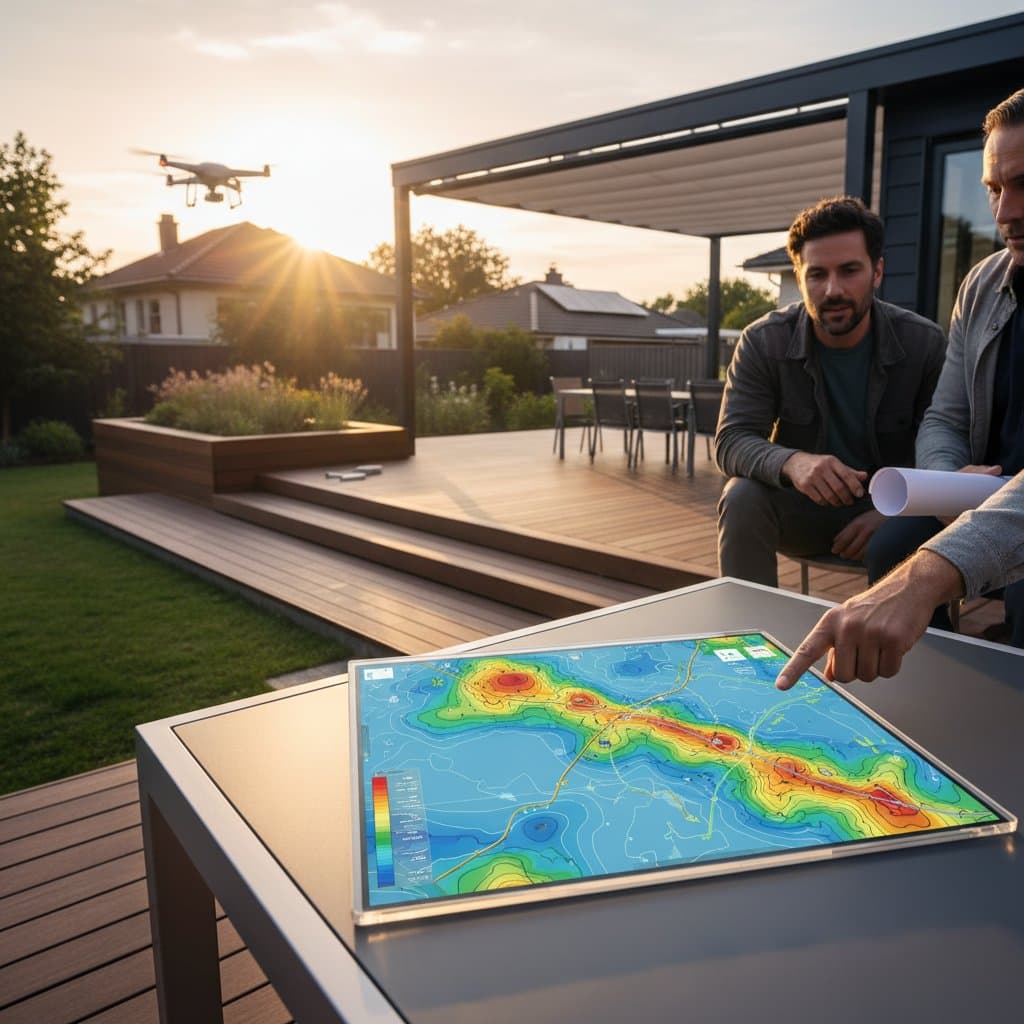
Understanding Microclimates in Deck Design
Every yard possesses a unique microclimate influenced by surrounding structures, trees, and terrain. These localized conditions affect sunlight, wind, and moisture, which in turn impact deck performance and user comfort. Smart apps simplify the process of mapping these elements, enabling informed decisions that extend material life and enhance enjoyment.
Before construction begins, evaluate your site thoroughly. Factors such as building shadows or nearby hills can create hot spots or damp areas. By leveraging app-based analysis, homeowners avoid common pitfalls like uneven heating or premature wood rot.
Essential Tools for Microclimate Mapping
Start with a smartphone equipped with a compass and camera. Free apps like Sun Seeker or Windy provide basic sunlight and wind tracking. For advanced features, consider paid options such as MicroClimate Pro, which integrates satellite data and user inputs for precise visualizations.
Gather additional items: a measuring tape for slopes, a notebook for observations, and optional sensors for humidity and temperature. These tools combine with app functions to build a comprehensive site profile. Dedicate initial time to familiarize yourself with app interfaces through tutorials.
1. Assess Sunlight Patterns
Sunlight determines heat buildup and shading needs. Open the app and select the solar path tool. Point your phone at key areas and record peak exposure times, typically from 10 a.m. to 4 p.m.
Note shadow lines from fences or homes. High-sun zones suit heat-resistant materials, while shaded spots require ventilation to prevent mold. Apps generate hourly diagrams, helping predict seasonal changes like longer winter shadows.
2. Track Wind Directions and Speeds
Wind influences cooling and debris accumulation. Use the app's anemometer feature or attach a simple sensor. Stand at multiple yard points and log directions over several days.
Prevailing winds often follow street alignments or tree gaps. Breezy areas benefit from barriers, while sheltered zones offer calm seating. Average readings to account for daily variations, ensuring your design accounts for both summer breezes and winter gusts.
3. Check Moisture and Drainage
Moisture leads to warping and slip hazards. After rainfall, observe pooling locations. Apps estimate drainage by processing photos of terrain slopes and surface textures.
Identify low-lying spots prone to standing water. Plan sloped substructures or gravel channels to direct flow away from the deck base. Raised designs work well in consistently damp microclimates, promoting air circulation beneath boards.
4. Match Deck Materials to Data
Align material choices with mapped conditions for longevity. Review app outputs to categorize zones by exposure levels.
- Composite decking: Ideal for intense sun or wet areas; resists fading and requires minimal upkeep.
- Cedar or redwood: Suited to moderate shade; apply protective sealants biennially to maintain natural resistance.
- Pressure-treated pine: Economical for variable climates; allow complete drying post-treatment before applying finishes.
Consult local suppliers for samples tested in similar environments. This step minimizes replacement needs over time.
5. Design for Comfort
Optimize layout using microclimate insights. Divide the space into functional zones based on temperature and airflow data.
- Install shade structures such as pergolas or retractable awnings in direct sunlight paths.
- Position wind screens or dense plantings along exposed edges to buffer gusts.
- Locate grills and seating in balanced areas with steady mild conditions.
Incorporate flexible elements like movable furniture to adapt to daily shifts. This approach fosters versatile use throughout the year.
6. Verify Before You Build
Validate app data through hands-on testing. Position a chair or portable table in proposed locations. Spend time observing at morning, midday, and evening intervals.
Assess personal comfort against predictions. Adjust plans if discrepancies arise, such as unexpected chill from a neighboring wall. This verification bridges digital analysis with real-world experience.
Safety Tips
Prioritize caution during assessments. Scan for overhead power lines before deploying camera drones or tall poles. Select footwear with strong traction for inspections on wet ground.
Avoid excavation near underground utilities without professional line location services. Follow app guidelines for safe sensor placement to prevent equipment damage or injury.
Troubleshooting Common Issues
Issue: Sunlight estimates appear inaccurate.
Resolution: Reset the device compass and perform scans during clear midday hours. Temporary cloud cover may skew initial results; repeat on sunny days.
Issue: Wind measurements fluctuate widely.
Resolution: Gather data across multiple days, including calm and windy periods. Compute averages to establish reliable patterns.
Issue: Deck surfaces deteriorate quickly.
Resolution: Reexamine microclimate maps for overlooked UV intensity. Apply specialized UV-protective coatings to exposed sections.
Maintenance and Data Management
Preserve microclimate records for ongoing reference. Store digital maps in organized cloud storage with descriptive labels. Reassess conditions prior to refinishing or expansions, as urban changes like new constructions alter dynamics.
Safeguard physical tools in a sealed, waterproof container. Wipe camera lenses clean before each use to eliminate distortion from smudges or reflections.
Budget and Time Considerations
Conduct a fundamental scan using no-cost apps in one to two hours. Premium versions, priced from ten to fifty dollars, offer enhanced modeling and device integration.
Material expenses differ by type. Composite options typically cost three to five dollars per linear foot, while natural woods begin around two dollars. Upfront microclimate evaluation reduces long-term repair expenditures significantly.
When to Engage Professionals
Seek certified contractors or landscape specialists for complex projects. This includes large-scale decks, structural attachments, or integrations like lighting and water elements.
Opt for pros if terrain features steep slopes or inadequate drainage. Inquire about their methods for incorporating microclimate data, ensuring seamless alignment with your preliminary findings.
Seasonal Adjustments
Review maps at seasonal transitions. Foliage growth modifies shade, while leaf fall opens light paths. Reposition elements like seating or coverings accordingly.
In winter, monitor for frost-prone depressions or water accumulation. Clear drainage paths to avert board cracking from freeze-thaw action. Summer heat prompts strategic shade additions based on updated scans.
Key Takeaways
Microclimates define outdoor space viability through sun, wind, and moisture interactions. Apps render these invisible forces visible and manageable.
Data-driven material and design selections extend deck durability while elevating comfort levels.
Implement Your Plan
Launch the process with a complimentary app and a site walkthrough. Document sun paths, air movements, and water behaviors systematically.
Schedule follow-up evaluations after significant weather events. Iterative refinements yield precise designs and sustained performance.
Collaborate by sharing insights with contractors or community members. Collective knowledge refines understandings of neighborhood climate variations.