
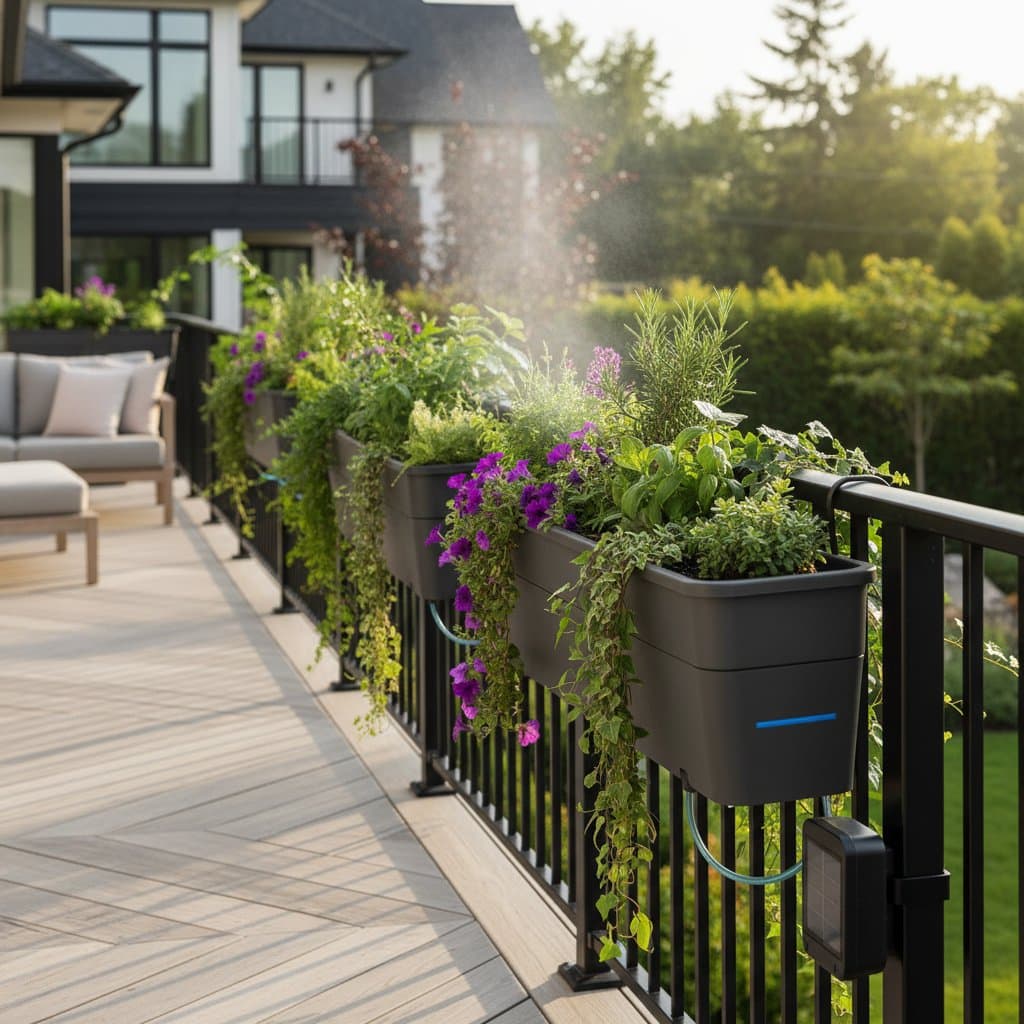
Introduction to Self-Watering Rail Planters
Self-watering rail planters offer an innovative solution for urban dwellers seeking to enhance decks and balconies with greenery. These planters attach securely to railings and feature a built-in reservoir that delivers water to plant roots via a wick system. This design minimizes evaporation and ensures plants receive steady hydration, effectively cutting watering time in half compared to traditional containers.
Ideal for small spaces, these planters support a variety of herbs, flowers, and trailing vines. They promote healthier growth by preventing both over- and under-watering. Homeowners appreciate the convenience, as the system allows focus on enjoyment rather than constant maintenance.
Selecting the Right Planter
Begin by assessing your railing dimensions and load capacity. Choose planters made from durable, weather-resistant materials such as UV-stabilized plastic or powder-coated metal, which withstand outdoor elements. Opt for sizes that fit your space; narrower models suit tight railings, while longer ones maximize planting area.
Consider the number of plants you plan to grow. A standard 24-inch planter accommodates three to five small plants. Verify compatibility with your railing type, whether wood, metal, or composite. Look for adjustable brackets to ensure a secure fit without damaging surfaces.
Step 1: Gather Materials and Tools
Assemble essential items before installation. You will need the self-watering rail planters, a soil mix formulated for containers with good drainage, and plants suited to your light conditions. Additional tools include a measuring tape, level, screwdriver for bracket adjustments, and gloves for handling.
Select potting soil that includes perlite or vermiculite to enhance aeration. Choose plants like trailing petunias for sun or ferns for shade, ensuring they match your deck's exposure. Have clean water ready for initial filling.
Step 2: Install the Planters Securely
Position the planter along the railing at a comfortable height, typically 36 to 42 inches from the deck surface. Align the brackets with railing posts or secure them midway for even distribution. Use the level to confirm the planter sits flat, preventing soil spillage.
Tighten brackets firmly but avoid over-tightening, which could strip threads or dent metal. For wooden railings, place protective pads under brackets to prevent scratches. Test stability by gently shaking the planter; it should remain fixed without wobbling.
Step 3: Prepare the Reservoir and Soil
Each self-watering planter includes a lower water chamber and an upper soil compartment. Fill the reservoir halfway with clean, room-temperature water to avoid shocking roots. Add the prepared soil mix until it reaches 1 inch below the rim, allowing space for watering and plant growth.
Avoid compacting the soil tightly, as roots require air circulation for healthy development. Gently tap the sides of the planter to settle the soil evenly. This preparation ensures optimal contact between the wick and moisture source.
Step 4: Plant and Initial Watering
Select plants with root balls that fit the compartment without crowding. Insert each plant carefully and firm the soil around the roots to eliminate air pockets. Water from the top until water appears at the indicator or overflow hole, signaling the reservoir is full.
This initial watering activates the wick system and settles the soil around roots. Monitor for the next few days to confirm the setup functions correctly. Adjust plant positions if necessary to promote balanced growth.
Step 5: Monitor Water Levels Regularly
Most planters feature a visual gauge or transparent tube to track water levels. Refill the reservoir when the level reaches the low mark, typically every 5 to 7 days in warm weather. In cooler conditions, intervals may extend to two weeks, depending on plant needs and climate.
Record refill dates initially to understand your specific cycle. Factors like sun exposure and plant type influence frequency. Consistent monitoring prevents dry-outs and maintains plant vitality.
Safety Considerations
Ensure brackets support at least 15 pounds per planter, accounting for soil, water, and growth. Position planters away from electrical cords, grills, or heat sources to avoid hazards. Prevent overfilling the reservoir, as excess water may drip and create slippery surfaces on decks.
Wear gloves when working with soil or fertilizers to protect skin from irritants. Inspect railings periodically for wear, especially in high-wind areas. Secure loose items nearby to maintain a safe outdoor environment.
Common Issues and Solutions
Wilting Plants with Adequate Water
If plants appear wilted despite a full reservoir, inspect the wick connection. Remove the soil plug gently and reposition the wick so at least 2 inches extend into the water chamber. This adjustment restores capillary action for consistent moisture delivery to roots.
Algae Growth or Unpleasant Odors
Monthly cleaning prevents buildup in the reservoir. Empty the chamber completely, rinse with mild soap and water, then refill with fresh water. Add a teaspoon of white vinegar per gallon to inhibit algae without harming plants.
Uneven Plant Development
Rotate planters every two weeks to expose all sides to sunlight equally. Clear any clogged drain holes promptly, as blockages can lead to waterlogging on one side. Prune overgrown sections to encourage balanced growth across the planter.
Seasonal Care Strategies
At the start of the growing season, refresh soil and inspect components for damage. In peak summer, increase refill frequency and trim plants to control size. As fall approaches, harvest mature produce and drain reservoirs to prepare for storage.
During winter, remove all water to avoid freezing damage. Store planters in a sheltered location or indoors if temperatures drop below freezing. Tilt outdoor units slightly to shed rainwater and prevent stagnation.
- Spring Preparation: Replace soil, sow seeds, and check brackets for corrosion or instability.
- Summer Upkeep: Monitor reservoirs weekly, deadhead flowers, and clean indicators.
- Fall Transition: Collect harvests, empty chambers before frost, and store supplies dry.
- Winter Protection: Examine hardware indoors and design layouts for the coming season.
Cost and Time Efficiency
Self-watering rail planters range from 30 to 60 dollars each, varying by size and material. Initial setup for a small deck takes approximately two hours, including installation and planting. Replacement parts like wicks or liners cost a few dollars and endure one to two seasons with proper care.
The system yields significant savings over traditional watering methods. Weekly checks require only five minutes, versus 15 minutes daily with manual methods. Over a season, this frees hours for relaxation amid your greenery.
Professional Assistance Options
Consult a licensed contractor if railings show signs of looseness or insufficient strength. Professionals can reinforce structures and verify compliance with safety codes, particularly for elevated or aged decks. This step ensures long-term stability.
For advanced setups, irrigation specialists can integrate timed drip systems with planters. Inquire about moisture sensors and backflow prevention devices to enhance efficiency while upholding safety standards.
Bringing It All Together
Start your transformation with two planters and simple plants such as basil, petunias, or ivy. Install them over the weekend and observe the immediate impact on your deck's ambiance. Expand gradually along the railing to form a continuous green edge.
This border not only adds color and fragrance but also dampens street noise, provides shade, and boosts well-being. The automated hydration manages the essentials, leaving you to savor a vibrant outdoor space without ongoing demands.