
Maintenance
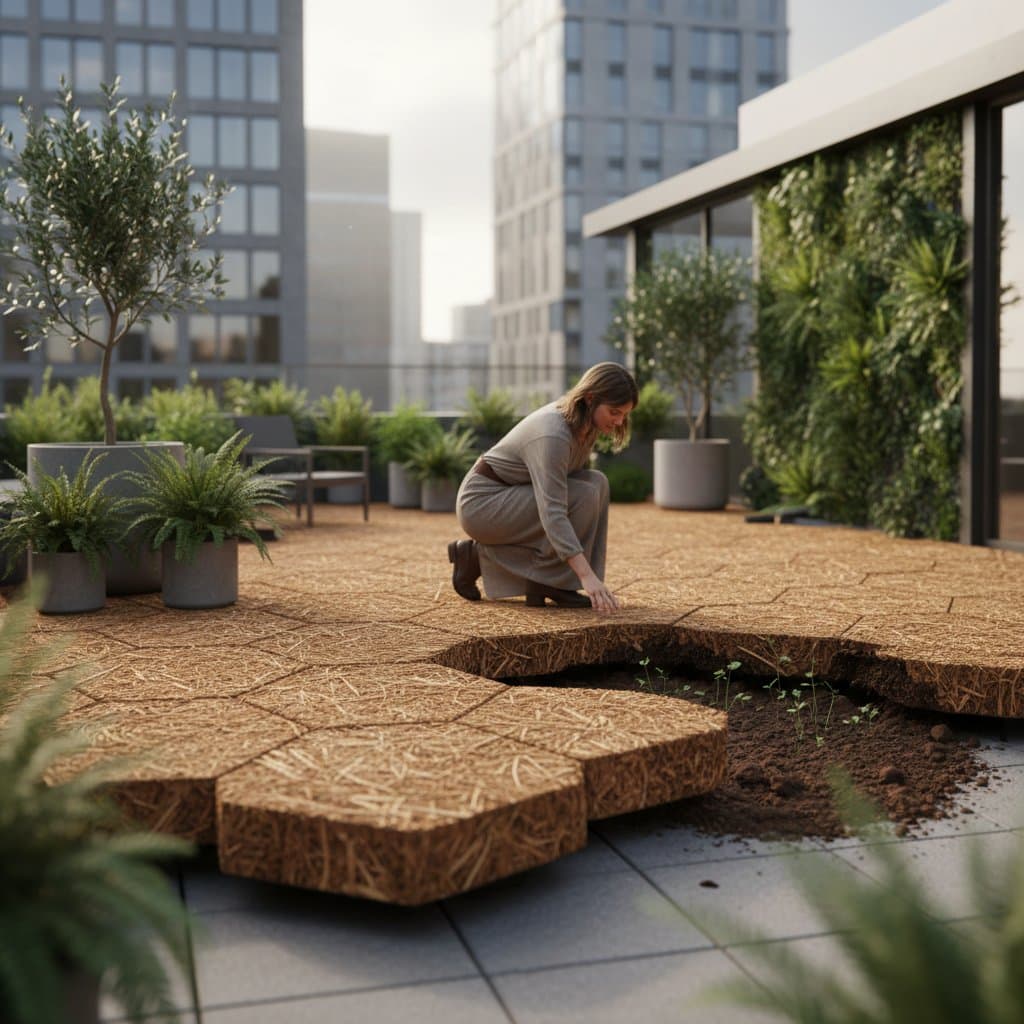
Mycelium decks require minimal upkeep to maintain their appearance and functionality over time. Address spills immediately by wiping them with a soft cloth to avoid potential staining from organic residues. Schedule routine inspections every three to six months: sweep away leaves, dirt, and debris, then apply a thin layer of natural beeswax or a plant-derived sealant to protect against moisture and UV rays.
Beeswax enhances water resistance without compromising the material's breathability, allowing it to age naturally. In cases where a panel shows signs of softening or mold development, carefully remove it and add it to a compost pile, where it will break down efficiently. Secure a replacement panel using the existing screw pattern, a process simplified by the deck's modular construction.
Steer clear of chemical-based cleaners, which can degrade the organic structure. Opt instead for a solution of one part vinegar to ten parts water for gentle cleaning. Protect the surface further by fitting furniture legs with protective caps or pads to prevent indentations from weight or movement.
Troubleshooting
Soft Spots or Sagging Panels
These issues often stem from water accumulation beneath the deck or inadequate airflow in the installation area. To resolve, carefully lift the affected panels using a pry bar or similar tool, allowing the underlying structure to air dry completely, which may take one to two days depending on humidity levels. Once dry, reinstall the panels with thin rubber spacers inserted between them and the frame to promote better circulation and prevent future moisture buildup.
Discoloration
Exposure to direct sunlight or inconsistent application of sealant typically causes fading or uneven coloring. Begin correction by lightly sanding the surface with 220-grit sandpaper to remove the damaged layer, then clean thoroughly with a damp cloth. Finish by applying a fresh, even coat of sealant, working in sections to ensure uniform coverage and allowing each to cure for 24 hours.
Mold Growth
High humidity environments or suboptimal drainage setups encourage mold formation on mycelium surfaces. Treat the area by scrubbing with a vinegar-water mixture, followed by a thorough rinse and complete drying, which might involve using fans to accelerate the process. After drying, reseal the panels and evaluate the deck's underside for improvements, such as adding drainage channels or elevating the frame slightly.
If several panels deteriorate rapidly, investigate the initial manufacturing quality. Incomplete curing during production leaves boards overly susceptible to breakdown. Contact the supplier for verification and potential replacements under warranty, ensuring future purchases come from reputable sources with documented curing protocols.
Budget and Time
For a compact 50-square-foot balcony deck, expect costs between $400 and $600 when using standard mycelium panels. This estimate covers the panels themselves at approximately $8 to $12 per square foot, plus basic framing materials if not already in place. Larger rooftop installations, spanning 100 to 200 square feet, range from $1,200 to $2,000, influenced by factors like reinforced framing for weight distribution or custom edging.
Mycelium panels demonstrate durability for three to five years under typical urban conditions, after which they can be composted without harm. The frame remains reusable, keeping replacement expenses low—often under $200 for a full refresh. Factor in tools like screwdrivers and sealants, which add minimal ongoing costs.
Installation timelines vary by scale: a small project suits one to two days for a two-person team, or a dedicated weekend for solo efforts. Key delays arise from sealant drying periods, so plan applications during mild weather. Pre-cut panels and straightforward modular assembly reduce labor time compared to traditional decking methods.
When to Call a Professional
Engage a specialist for sites with structural constraints, such as older buildings with load-bearing limits, or areas prone to poor drainage. Professionals assess rooftop weight capacities and ensure compliance with local building codes, preventing costly errors. Seek contractors experienced in composite or bio-based materials; they understand techniques to maintain panel levelness and dryness, avoiding scratches or compression during handling.
During consultation, discuss anchoring methods suited to urban wind patterns or seismic zones. Certified installers also integrate mycelium decks with existing features like railings or planters seamlessly. This expertise justifies the investment, typically adding 20 to 30 percent to the project budget but ensuring long-term safety and performance.
Smart Storage for Spare Panels
Preserve unused mycelium panels by storing them horizontally in a cool, shaded location away from direct sunlight. Elevate them off concrete or damp surfaces using pallets or racks to block moisture absorption from below. For extended storage beyond a few months, encase the stack in breathable cotton or burlap fabric, which allows air exchange while blocking dust and pests.
Avoid plastic wraps, as they trap humidity and trigger premature decomposition. Label stacks with installation dates to rotate stock effectively, using older panels first. Proper storage extends usability, potentially adding one to two years to their effective lifespan before installation.
Advancing Your Mycelium Deck Project
Begin with a modest application, such as a mycelium platform beneath patio furniture or as a base for raised planters. Observe its response to local weather patterns, noting drainage efficiency and material stability over the first season. With gained insights, scale up to a comprehensive deck layout, incorporating lessons from the trial.
Maintain a detailed log of upkeep activities, including cleaning dates, sealant applications, and any observed changes. This record informs adjustments and helps prolong the deck's service life. Through these steps, you not only build practical skills but also contribute to urban sustainability by diverting waste from landfills and fostering regenerative materials in city landscapes.