
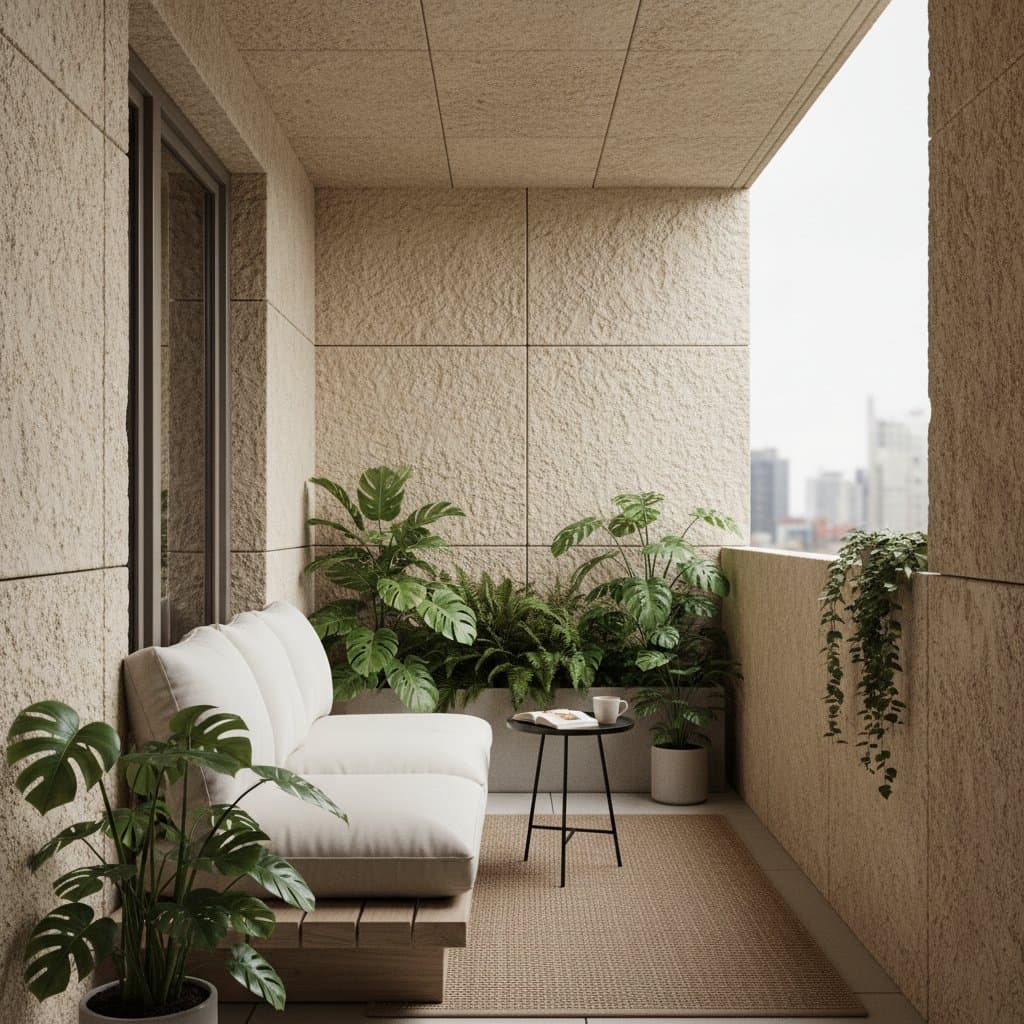
Introduction to Mycelium Panels
Mycelium panels represent an innovative building material derived from fungal networks grown on agricultural waste. These panels combine the strength of natural fibers with the biodegradability of organic matter, making them ideal for urban environments. In cities where space is limited, they transform plain balconies into insulated, sound-dampening retreats without the need for extensive renovations.
Homeowners appreciate mycelium panels for their versatility. The material regulates temperature by absorbing heat during the day and releasing it slowly at night. Additionally, the dense structure blocks external noise, creating a quieter personal space amid bustling streets.
This guide details how to incorporate mycelium panels into your balcony design. Readers will find practical advice on selection, installation, and maintenance to ensure long-term performance and environmental benefits.
Key Benefits for Balcony Transformations
Mycelium panels excel in small-scale applications like balcony walls or privacy screens. Their lightweight nature simplifies handling, while the compostable composition aligns with zero-waste living. Urban dwellers gain from reduced energy costs through better insulation, which minimizes reliance on air conditioning or heating units.
Soundproofing stands out as a primary advantage. The porous texture absorbs vibrations from traffic or neighbors, fostering tranquility. Visually, the earthy tones and textured surface add a biophilic element, blending seamlessly with potted plants or minimalist decor.
Sustainability drives the appeal of these panels. Production requires minimal energy compared to traditional materials like foam or wood composites. At the end of their lifecycle, panels decompose naturally, returning nutrients to the soil.
Materials and Tools Required
Before beginning, gather essential items to streamline the process. Select panels from reputable suppliers who certify sustainable sourcing. Opt for pre-sealed versions to enhance durability against weather exposure.
Basic toolkit includes:
- Measuring tape and level for precise alignment.
- Adhesive brackets or mounting clips compatible with rental-friendly installations.
- Natural sealant, such as beeswax-based products, for weatherproofing edges.
- Utility knife and fine-grit sandpaper for trimming and smoothing.
- Protective gloves and drop cloths to manage dust and fibers.
For added stability, consider zip ties or removable hooks. These prevent damage to existing structures while supporting lightweight additions like shelves.
Step-by-Step Installation Guide
Installation suits most DIY enthusiasts with basic skills. Allocate a dry day to avoid moisture interference. Begin by clearing the balcony of furniture and debris to assess the space.
-
Measure and plan layout.
Assess wall dimensions and mark positions for panels. Account for ventilation gaps to prevent moisture buildup. Sketch a simple diagram to visualize coverage, aiming for at least two sides for optimal insulation. -
Prepare the surface.
Clean walls with mild soap and water, then dry thoroughly. Remove loose paint or rust using a wire brush. Apply a primer if surfaces are uneven, ensuring strong adhesion for brackets. -
Install mounting hardware.
Secure brackets or clips to the wall at marked points, spacing them every 16 inches vertically. Use a level to confirm straight lines. For renters, select no-drill options like heavy-duty adhesive strips rated for outdoor use. -
Mount the panels.
Lift panels into place and attach to brackets. Start from the bottom to build upward stability. Trim excess material with a utility knife for custom fits around railings or outlets. -
Add plants or decor.
Incorporate lightweight planters or string lights once panels are secure. Mycelium panels support small loads, but avoid hanging heavy pots directly from them. Use tension rods or adjacent railings for added elements to enhance the natural ambiance. -
Inspect joints.
After installation, examine all seams and tape for tightness. Reapply sealant if edges appear dry. Allow 24 hours for curing before exposing to elements.
Safety Considerations
Prioritize caution during handling and setup to avoid injuries or structural issues. Wear gloves when managing unsealed panels, as the fibers may irritate skin. Position panels away from open flames, given their organic composition, even when sealed.
Refrain from overloading with heavy planters or metal fixtures, which could compromise stability. In rental properties, employ removable brackets or zip ties to sidestep drilling into load-bearing components. Consult building codes for high-rise installations to ensure wind resistance.
Common Troubleshooting Solutions
Occasional issues arise with natural materials, but simple fixes restore functionality. Address problems promptly to maintain performance.
Panel feels soft or damp:
Detach the affected panel and allow it to dry indoors for 24 hours. Reseal both sides with a fresh coat before reinstalling to restore rigidity.
Edges begin to fray:
Lightly sand the area with fine-grit sandpaper to smooth fibers. Apply an additional layer of sealant to seal and protect the edges.
Panels discolor over time:
Exposure to sunlight naturally fades organic hues. Restore vibrancy with a light application of natural oil every few months, buffing gently for even coverage.
Panels shift in wind:
Secure with extra clips or cross braces for reinforcement. In high-rise settings, attach a mesh backing to distribute forces and enhance anchorage.
Cost Breakdown and Timeline
Budgeting helps plan without surprises. A setup for a small balcony using four panels, brackets, and sealant totals approximately $120.
Detailed expenses:
- Panels: $15 to $25 each, depending on size and thickness.
- Sealant: $15 per quart, sufficient for multiple applications.
- Hardware and tape: $20 to $30 for durable, weather-resistant options.
Time investment ranges from 4 to 6 hours, including sealant drying periods. Dedicate a full day to include cleaning, adjustments, and testing stability. This approach ensures a professional finish.
Ongoing Maintenance Practices
Regular care extends the lifespan of mycelium panels. Inspect every few months for signs of moisture or wear. Wipe away dust or dirt using a soft, damp cloth, avoiding harsh chemicals that could degrade the sealant.
Reapply sealant annually to preserve water resistance. The breathable quality of the material prevents condensation behind planters or covers, reducing mildew risks on balcony surfaces.
If damage occurs, compost the panel and source a replacement. This cycle supports sustainable practices, as new panels grow from renewable resources.
Seasonal Storage Strategies
In regions with variable weather, proactive storage protects investments. Remove panels before prolonged rain or snow accumulation. Store in a dry, covered area, stacking flat with separating cloths to avoid adhesion.
Repurpose spare panels indoors as acoustic absorbers for home offices or media rooms. Their sound-dampening properties function equally well in interior settings, adding multifunctional value.
Professional Assistance Indicators
Certain balcony conditions warrant expert input to avoid complications. Seek a contractor if wiring, integrated lighting, or structural cracks are present. Inquire about:
- Secure mounting locations that preserve waterproofing integrity.
- Suitable sealants matched to your wall composition.
- Weight tolerances for vertical gardens or suspended decor.
A brief professional review safeguards against future repairs and upholds safety standards.
Building Your Sustainable Balcony Retreat
Mycelium panels redefine balcony functionality by providing insulation, noise control, and aesthetic warmth through minimal effort. Initiate with a single wall or screen to experience the shift in comfort, then scale to encompass additional areas.
Maintain eco-integrity by selecting certified sustainable panels and annual sealant refreshes. Pair with drought-tolerant plants such as succulents or herbs to cultivate a verdant, living wall. These enhancements promote privacy, acoustic serenity, and efficiency, all while honoring the material's roots in waste upcycling and natural decomposition.