
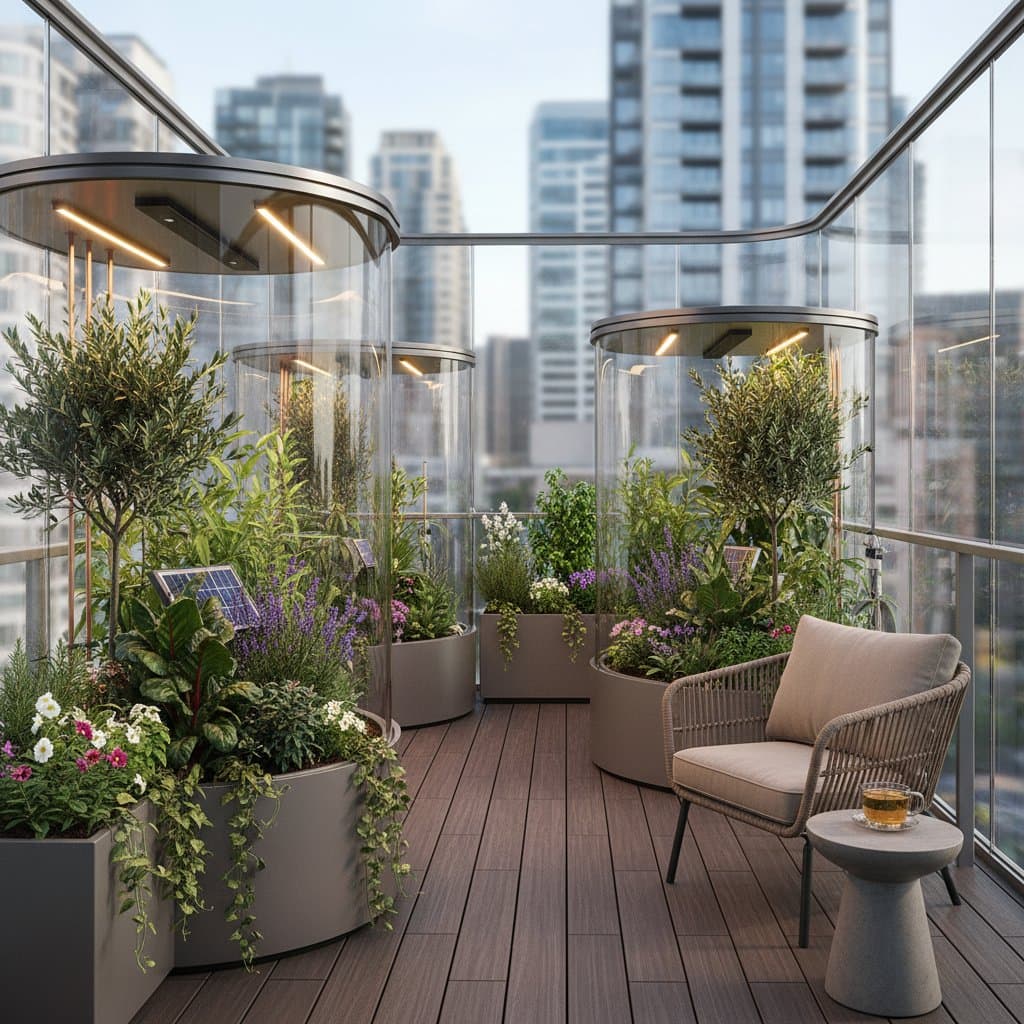
Step 6: Rotate and Refresh Plants
Rotate your plants every few months to maintain vitality and adapt to changing conditions. During colder periods, prioritize evergreens, resilient herbs like thyme or sage, and compact dwarf conifers that tolerate low light and frost. In warmer seasons, introduce sun-loving options such as compact tomato varieties, heat-resistant peppers, or cascading petunias that spill over edges for visual appeal.
Designate a dedicated transition zone within your setup, perhaps a corner shelf or a movable tray, to acclimate seedlings or propagate cuttings. This area allows young plants to harden off gradually, reducing transplant shock and improving survival rates before integration into primary growing pods.
Step 7: Maintain Ventilation
Proper airflow remains essential even in protective enclosures to avoid stagnant conditions. On temperate days, partially open vents, flaps, or sheer curtains to invite fresh air circulation, which discourages fungal issues like powdery mildew and supports beneficial insects for pollination in blooming species.
Incorporate a compact, low-energy battery-operated fan positioned to gently move air without direct blasts on foliage. Position it to run intermittently during humid or windless periods, ensuring even distribution that mimics natural breezes and promotes healthier root development.
Step 8: Monitor and Adjust
Daily monitoring of environmental factors ensures optimal conditions for plant health. Aim for temperatures between 60 and 80 degrees Fahrenheit (16 to 27 degrees Celsius) for the majority of balcony species, and maintain humidity levels from 40 to 60 percent to minimize wilting or excessive transpiration.
If temperatures climb too high within enclosures, elevate one side of the cover using adjustable props or temporarily remove panels during peak sun hours to release trapped heat. For arid conditions, employ a fine-mist sprayer on foliage in the early morning, allowing leaves to absorb moisture before evaporation intensifies.
Safety Tips
Secure all pots, frames, and coverings firmly to withstand gusts, using bungee cords or wall anchors where appropriate. Distribute weight evenly by placing heavier containers toward the center of the balcony floor rather than clustering them along railings, which helps prevent structural strain.
Opt for exterior-rated electrical extensions when adding supplemental lighting, ensuring they feature weatherproof seals to guard against rain exposure. Maintain unobstructed pathways by organizing tools and hoses neatly, reducing risks during routine tasks like watering or trimming.
Before installing substantial enclosures, review your building's guidelines on modifications. Verify permissions for anchoring to railings or walls, and consider consulting management to avoid violations that could compromise safety or access.
Troubleshooting
Problem: Leaves turning yellow during cold months
- Cause: Sudden temperature fluctuations or waterlogged roots from poor drainage.
- Fix: Wrap pots with an additional layer of insulating bubble wrap or frost cloth, and inspect drainage holes for clogs. Relocate affected plants nearer to building walls, where residual heat provides a subtle buffer against chills.
Problem: Mold growth on soil surfaces
- Cause: Inadequate air movement combined with overwatering in humid environments.
- Fix: Enhance ventilation by widening openings and scraping away the top layer of affected soil. Replenish with a sterile, well-draining potting mix and scale back watering to when the top inch feels dry to the touch.
Problem: Weak plant growth in winter
- Cause: Insufficient natural light in shorter days.
- Fix: Install full-spectrum LED grow lights on adjustable arms, maintaining a distance of about 6 inches (15 centimeters) above the canopy. Run them for 12 to 14 hours daily, simulating extended daylight to boost photosynthesis.
Problem: Container cracking
- Cause: Inferior materials that degrade under repeated freeze-thaw exposure.
- Fix: Transition to durable alternatives like fiberglass composites or heavy-duty resin planters, which flex without fracturing in extreme weather. These options also retain moisture better, supporting consistent hydration.
Problem: Pests such as aphids or spider mites
- Fix: Prepare a solution of mild dish soap diluted in water (one teaspoon per quart) and apply via spray bottle, targeting undersides of leaves. Follow with a full day of ventilation to allow residues to evaporate, preventing further irritation while deterring reinfestation.
Budget and Time
Assembling a basic balcony garden typically requires one full weekend for initial setup, allowing time for planning and procurement. Expect to spend 80 to 120 dollars on quality containers and nutrient-rich soil blends tailored for urban conditions.
Protective covers or modular pods range from 50 to 100 dollars, depending on size and material durability. Supplemental lighting and essential tools, such as pruners and moisture meters, add another 60 to 100 dollars to the total.
Ongoing expenses remain modest, with monthly outlays for fertilizers, seeds, or replacements under 20 dollars. Dedicate about 15 minutes each day to core tasks like watering and light adjustments, plus one hour weekly for deeper maintenance like pruning or soil checks. This investment yields fresh herbs and vegetables at a cost far below store-bought equivalents, enhancing both savings and satisfaction.
Maintenance
Establish a consistent routine focused on incremental actions rather than overwhelming overhauls. Frequent, light-touch interventions preserve plant vigor more effectively than sporadic deep cleans.
Daily: Assess soil moisture with your finger or a meter, discard any faded foliage promptly, and ventilate enclosures to refresh the air. These quick checks prevent minor issues from escalating.
Weekly: Apply a balanced slow-release fertilizer or dilute liquid formula according to plant needs, and gently clean leaf surfaces with a damp cloth to remove dust buildup, optimizing light absorption.
Monthly: Reposition containers for even sun exposure and scrutinize for structural wear or insect signs. Address findings immediately to sustain long-term productivity.
Seasonal: Modify enclosure configurations based on forecasts, such as adding windbreaks in fall or removing them in spring. Rejuvenate soil by top-dressing with compost during renewal periods like early spring and autumn.
Store surplus items in waterproof bins to shield against dampness, and use clear labels noting plant types and sowing dates. This organization streamlines tracking and simplifies future rotations.
Smart Storage Moves
Maximize your balcony's dual role as garden and storage area through thoughtful organization that preserves usability. Efficient systems ensure tools and supplies enhance rather than encroach on your outdoor retreat.
Employ stackable plastic bins beneath built-in benches to house bulk soil or spare pots, keeping them elevated off the floor to avoid moisture wicking. Mount lightweight tools on pegboards or magnetic rails affixed to walls, freeing horizontal surfaces for plants.
Position watering cans inverted on hooks post-use to facilitate complete drainage and deter bacterial growth. Seal fertilizers in opaque, airtight jars stored in shaded spots to maintain potency away from degrading UV rays.
For expanded capacity, install slim vertical shelving units flush against walls, ideal for nurturing seedlings or displaying ornamental pots. This approach maintains clear floor paths, fostering a clutter-free zone that invites relaxation.
Seasonal Reminders
Spring: Initiate seed starting in sheltered indoor spots or protected balcony areas. Thoroughly sanitize containers from winter storage and incorporate fresh, aerated potting mix. Trim back any surviving perennials to encourage new shoots.
Summer: Fully retract enclosure panels to dissipate excess heat and promote cooling breezes. Schedule deep watering at dawn, when soil uptake peaks and midday sun minimizes loss through evaporation.
Autumn: Shelter sensitive species within pods as nights cool. Apply a 1- to 2-inch layer of organic mulch over soil to insulate roots and suppress weed emergence.
Winter: Seal pods tightly, opening only during unseasonably warm spells. Cut back on irrigation to match slowed growth, and brush off any accumulated snow or ice from coverings to prevent sagging or tears.
These targeted adjustments sustain productivity with minimal disruption, allowing seamless transitions between seasons.
When to Call a Pro
For projects involving balcony modifications, such as integrating fixed planters or robust enclosures, engage a qualified contractor early. They can evaluate weight capacities, recommend reinforcements, and ensure waterproof integrations that align with local codes.
Electrical enhancements like outlet additions or fixture installations demand a certified electrician familiar with outdoor applications. Specify GFCI-protected, weather-resistant components to safeguard against wet conditions and electrical hazards.
Hire a horticultural expert for bespoke solutions, including custom pod designs or drip-irrigation automation tailored to your microclimate. Budget 300 to 600 dollars for assessments and implementations that elevate efficiency and ease.
Your Next Steps
Begin modestly by selecting three versatile plants suited to your lifestyle, such as basil for culinary use, rosemary for aroma, and loose-leaf lettuce for quick harvests. These choices build foundational skills without overwhelming limited space.
Introduce a single protective element, like a transparent pod or insulating wrap, and observe its impact on microclimate metrics such as soil warmth. Fine-tune hydration routines based on these observations to foster robust establishment.
Build gradually, incorporating one additional element monthly, whether a new cultivar or storage solution. Document responses to your balcony's unique exposures, from wind patterns to shade shifts, refining your approach over time.
Ultimately, this methodical progression transforms your balcony into a dynamic, self-sustaining haven. Steady nurturing of microclimate, resilient selections, and organized care delivers enduring beauty and bounty, turning urban constraints into opportunities for year-round renewal.