
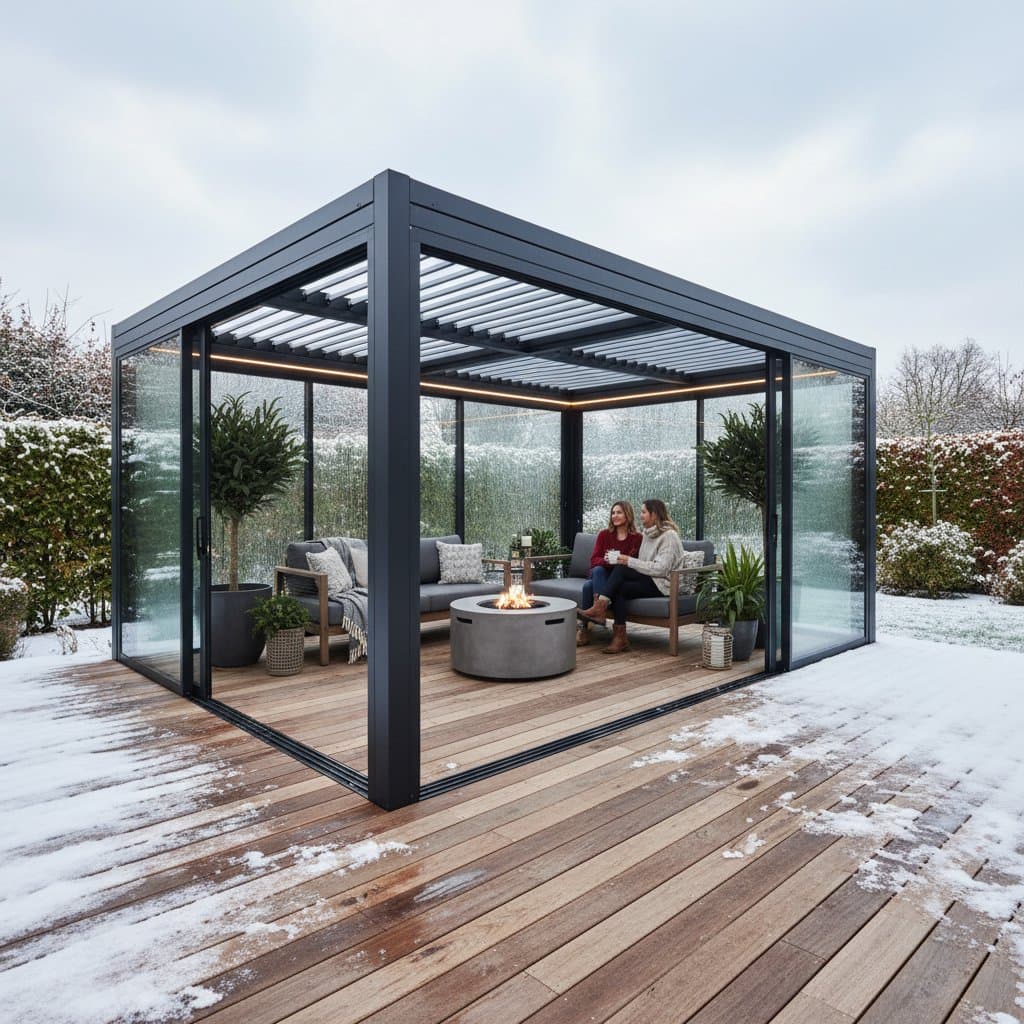
Introduction to Pergola Pods
Pergola pods represent an innovative solution for homeowners seeking to extend outdoor living spaces. These semi-enclosed structures combine the openness of a traditional pergola with added enclosure options, such as retractable roofs and side panels. They shield against rain, sun, and wind while maintaining views of the surroundings.
Ideal for urban decks, pergola pods enhance usability throughout the year. In summer, they offer shade for relaxation; in winter, they create a sheltered nook for brief escapes. Selecting the right design involves considering deck size, local climate, and personal style preferences.
Before installation, evaluate your deck's load-bearing capacity. Consult building codes if the structure exceeds certain dimensions. A well-planned pergola pod integrates seamlessly, boosting property value and daily enjoyment.
Planning Your Pergola Pod
Start with a clear vision for your space. Measure the deck area to determine pod dimensions, typically ranging from 8 by 10 feet for small setups to 12 by 16 feet for larger ones. Sketch a layout that positions the pod centrally or against a railing for optimal flow.
Choose materials suited to durability and aesthetics. Aluminum frames resist rust in humid environments, while wood adds warmth but requires sealing. For roofs, options include polycarbonate panels for light diffusion or fabric shades for easy adjustment.
Budget for essentials: frame kit, panels, hardware, and tools. Factor in professional help if electrical work or structural modifications are involved. This preparation phase ensures a smooth build and long-term satisfaction.
Materials and Tools Needed
Gather high-quality components to avoid future repairs. Essential items include a pre-fabricated frame kit, anchor bolts, roof panels or fabric, side screens, and sealant. For lighting, select low-voltage LED strips with waterproof ratings.
Tools required comprise a drill with bits, level, wrench set, ladder, and measuring tape. Safety gear, such as gloves and goggles, protects during assembly. Source materials from reputable suppliers to guarantee compatibility and warranties.
Step-by-Step Installation Guide
Follow these sequential steps to erect your pergola pod securely. Work on a calm day to manage materials easily. Enlist a helper for lifting heavy sections.
1. Prepare the Site
Clear the deck of furniture and debris. Sweep the surface thoroughly. Mark the pod footprint with chalk lines, ensuring alignment with deck edges. Verify levelness using a spirit level; shim uneven spots if necessary.
2. Assemble the Frame
Unpack the frame components and lay them out. Connect vertical posts to horizontal beams using provided brackets and bolts. Tighten connections firmly but avoid over-torquing to prevent warping. Check squareness by measuring diagonals; they should match.
3. Position and Level the Frame
Hoist the assembled frame onto the deck. Use adjustable feet or shims to achieve perfect level across all corners. Secure temporarily with clamps while making adjustments. This foundation step is crucial for stability.
4. Anchor the Base
Position the frame precisely on the deck. Drill pilot holes through the base plates directly into the deck joists, bypassing surface boards for stronger hold. Insert heavy-duty anchor bolts at each corner and tighten with a wrench. These anchors resist uplift from strong winds.
5. Add the Roof Panels
Secure roof panels or slats with the specified overlap to shed water effectively. For transparent polycarbonate types, apply silicone sealant along every seam to block leaks. If installing retractable fabric, adjust tension evenly before locking in place; test retraction multiple times.
6. Install Side Screens or Panels
Insert side panels into designated tracks or clips. Operate each one fully to ensure smooth gliding without binding. Opt for clear acrylic panels to admit natural light, or mesh screens to enhance ventilation. Tailor choices to regional weather patterns and desired privacy levels.
7. Wire the Lighting (Optional)
For integrated illumination, route low-voltage wires through protective conduit to shield from moisture. Attach LED fixtures to beams via secure clips, avoiding nails that could compromise integrity. Connect to a GFCI-protected outlet to safeguard against electrical hazards in wet conditions.
8. Style and Furnish
Incorporate durable outdoor furnishings like synthetic rattan seating or corrosion-resistant metal tables. Layer in a non-slip area rug and a lidded storage unit for textiles. Maintain unobstructed pathways to minimize accident risks.
9. Test and Adjust
Cycle all movable elements, from roof panels to screens, noting any unusual sounds. Secure any loose hardware and apply lubricant to hinges and tracks. The completed pod must demonstrate solidity and effortless function.
Troubleshooting Common Issues
Address problems promptly to preserve the structure's performance.
Roof leaks: Inspect all seams for gaps and reapply sealant as required. Gently tighten fasteners to seal without damaging panels.
Rattling in wind: Install rubber washers at metal joints to dampen vibrations and reduce noise.
Sticky screens: Clean tracks using mild soap solution and rinse well; follow with silicone-based lubricant for fluidity.
Condensation buildup: Add small vent openings near roof edges to facilitate air circulation and moisture escape.
Uneven frame settling: Slightly loosen anchors, realign with a level, and retighten incrementally for balance.
Ongoing Maintenance Practices
Regular upkeep extends the lifespan of your pergola pod significantly.
- Monthly tasks: Gently brush and hose down roof surfaces to remove dirt. Clear accumulated leaves or debris from edges.
- Seasonal inspections: Examine all bolts, panels, and mechanisms. Tighten components and lubricate moving parts.
- Winter preparations: Relocate removable cushions inside. Wash fabric elements with gentle detergent and air-dry completely.
- Post-storm checks: Verify anchor integrity and beam alignments. Swap out any corroded parts without delay.
Proactive small fixes prevent extensive damage and associated costs.
Integrating Smart Storage Solutions
Maximize utility by incorporating storage within the pod design. These features keep essentials organized and accessible.
- Mount wall-mounted hooks to store folded chairs or tools vertically.
- Position a weatherproof deck box beneath seating for stowing cushions and throws.
- Employ labeled stackable containers categorized by use, such as for barbecue supplies, recreational items, or planting tools.
- Affix magnetic strips inside enclosed areas to secure utensils and small hardware.
Such arrangements shield items from elements and promote a tidy deck environment.
Essential Benefits and Longevity
A pergola pod delivers controlled climate, enhanced privacy, and refined aesthetics to your deck. It harmonizes interior-like comfort with the freshness of outdoors. With diligent care, the installation endures 10 years or longer, resisting corrosion and decay.
Extending Use Across Seasons
Your pergola pod evolves into a multifaceted outdoor extension. Enjoy morning beverages amid light rain, entertain guests beneath ambient lighting, or unwind amid urban rhythms. This versatile addition enriches daily life, fostering moments of tranquility year-round.