
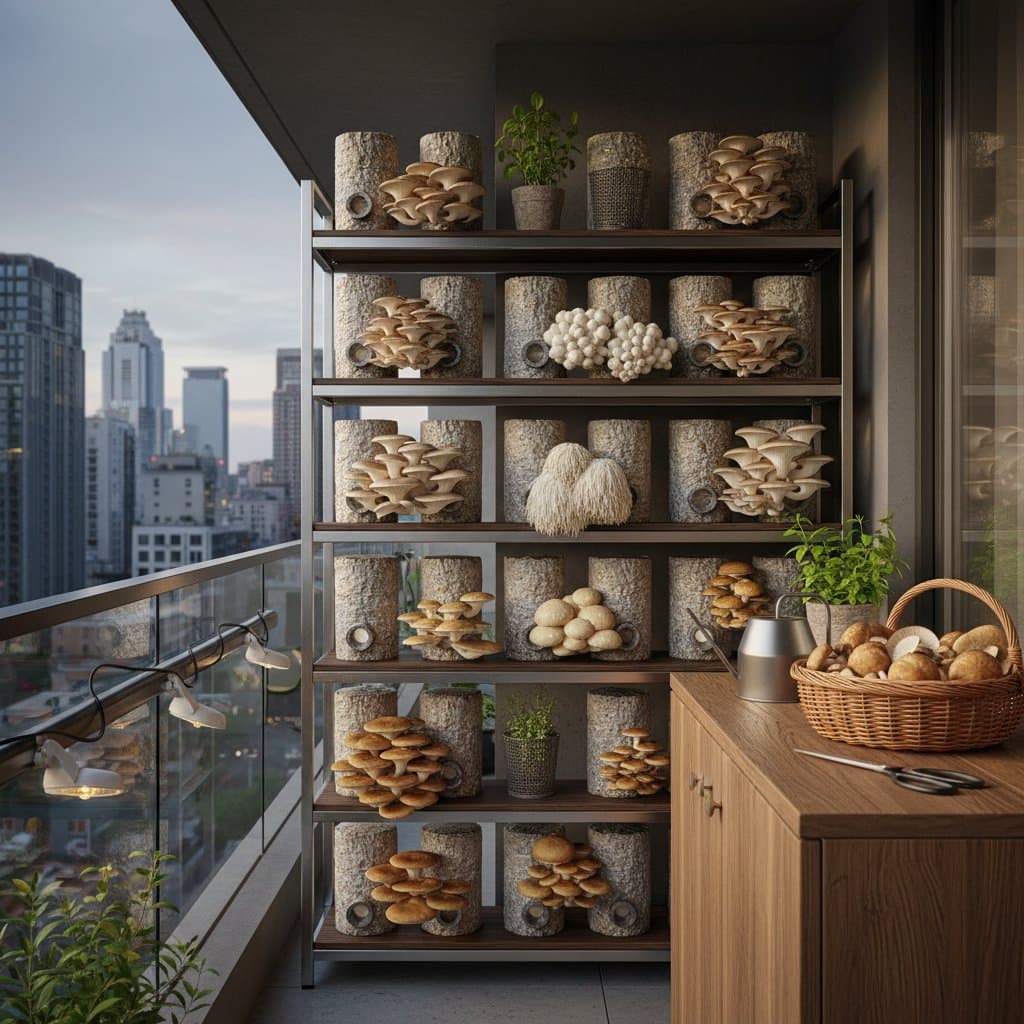
Urban Balconies: Harvest Pounds of Fresh Mushrooms Each Month
City dwellers often face limited space for gardening, yet balconies offer untapped potential for growing nutrient-dense foods. Mushrooms thrive in compact areas, requiring minimal sunlight and producing high yields with low effort. This guide explores how to cultivate oyster, shiitake, and lion's mane varieties, turning a small urban outdoor space into a productive farm that delivers pounds of fresh produce monthly.
Benefits of Balcony Mushroom Cultivation
Mushrooms provide essential nutrients like vitamins, minerals, and antioxidants, supporting health in fast-paced urban lifestyles. They grow quickly, often ready for harvest in weeks, unlike traditional vegetables that demand months. Balcony setups promote sustainability by reducing food miles and utilizing vertical or shaded areas effectively.
Homegrown mushrooms taste superior to store-bought options, with flavors enhanced by controlled conditions. This practice also builds self-sufficiency, offering a rewarding hobby that yields tangible results. Urban growers in places like New York City find it ideal for supplementing diets with organic, pesticide-free harvests.
Selecting Suitable Mushroom Varieties
Oyster mushrooms adapt well to beginners, growing vigorously on various substrates and tolerating moderate temperatures. Shiitake varieties offer a meaty texture and umami depth, ideal for culinary uses, though they require slightly more humidity. Lion's mane stands out for its unique, seafood-like flavor and potential cognitive health benefits, flourishing in cooler, shaded balcony spots.
Consider local climate when choosing; oysters suit warmer months, while lion's mane prefers cooler seasons. Start with one variety to gain confidence before expanding. Each type yields differently, with oysters potentially producing up to two pounds per square foot monthly under optimal care.
Essential Materials for Setup
Gather affordable items to begin: sterilized straw or hardwood sawdust as substrate, mushroom spawn from reputable suppliers, and plastic bags or buckets for incubation. A spray bottle maintains humidity, and a thermometer monitors temperature between 60 and 75 degrees Fahrenheit. Shelving units maximize vertical space on balconies, ensuring good air circulation.
Invest in breathable grow bags to prevent contamination, and use cheesecloth for covering during fruiting. Total startup costs remain under 50 dollars for a small setup yielding initial harvests. These tools create a controlled environment mimicking natural log or stump growth.
Step-by-Step Guide to Starting Your Balcony Mushroom Farm
1. Prepare the Substrate
Select pasteurized straw or coffee grounds, which serve as nutrient bases for spawn colonization. Chop materials into small pieces to increase surface area, then soak them in hot water for one hour to eliminate pathogens. Drain thoroughly and cool to room temperature before proceeding, ensuring the mixture reaches a pH of around 6 to 7 for optimal growth.
Mix in one part spawn to five parts substrate in a clean workspace. This ratio promotes even colonization without overwhelming the material. Pack the mixture loosely into grow bags, avoiding compaction that hinders mycelium spread.
2. Inoculate and Incubate
Seal the bags with small holes for gas exchange, then place them in a dark, warm spot like under a balcony table. Maintain temperatures at 70 degrees Fahrenheit for two to four weeks, checking for white mycelium threads that indicate successful colonization. Rotate bags weekly to ensure uniform growth and prevent mold formation.
Patience proves key here; full colonization signals readiness for the next phase. If spots of green or black appear, discard the batch to protect future attempts. This incubation period builds a strong foundation for abundant fruiting.
3. Initiate Fruiting Conditions
Move colonized bags to the balcony, exposing them to indirect light and fresh air. Mist surfaces twice daily to keep humidity at 85 percent, using a hygrometer for accuracy. Slit the bags open to encourage pin formation, the tiny mushrooms that develop into full clusters.
Position setups away from direct sun to avoid drying out, and shield from heavy rain with covers. Temperatures between 55 and 65 degrees Fahrenheit trigger pinning within days. Monitor daily, adjusting misting as needed to sustain moist but not soggy conditions.
4. Harvest and Maintain Cycles
Twist off mature mushrooms when caps flatten, typically after one week of growth. Harvest yields increase with each flush, up to three per bag before substrate exhaustion. Clean tools between uses to sustain hygiene across cycles.
After harvesting, soak bags in cold water overnight to rehydrate and stimulate new growth. Compost spent substrate or use it as garden mulch. Repeat processes with fresh spawn for continuous production throughout the year.
Ongoing Maintenance and Troubleshooting
Regular misting prevents drying, while fans improve air flow to deter pests like fungus gnats. Watch for contamination signs, such as unusual colors or odors, and isolate affected areas immediately. Balconies in humid climates like New York require less watering, but dry spells demand extra attention.
Common issues include low yields from insufficient humidity; increase misting frequency to resolve this. Overly warm spots slow growth, so relocate bags to shadier positions. With consistent care, setups produce reliably, minimizing waste and maximizing output.
Maximizing Yields in Limited Spaces
Vertical stacking doubles production without expanding footprint, using stackable trays or hanging bags. Companion planting with shade-loving herbs enhances biodiversity and aesthetics. Track progress in a journal to refine techniques over seasons, noting what works best for your balcony.
Scale up gradually, starting with two bags and expanding as skills develop. This approach ensures steady supplies for meals, reducing grocery reliance. Urban mushroom farming proves accessible, delivering fresh harvests that enrich daily life.
Sustainable Harvests for Urban Living
Balcony mushroom cultivation transforms overlooked spaces into sources of nutrition and joy. Regular harvests provide versatile ingredients for stir-fries, soups, and salads, boosting meal creativity. Beyond food, this practice fosters environmental awareness and community sharing among city gardeners.
Embrace the process to enjoy ongoing rewards, from the satisfaction of homegrown bounty to health gains from fresh produce. Small actions like these build resilient urban ecosystems, one balcony at a time.