
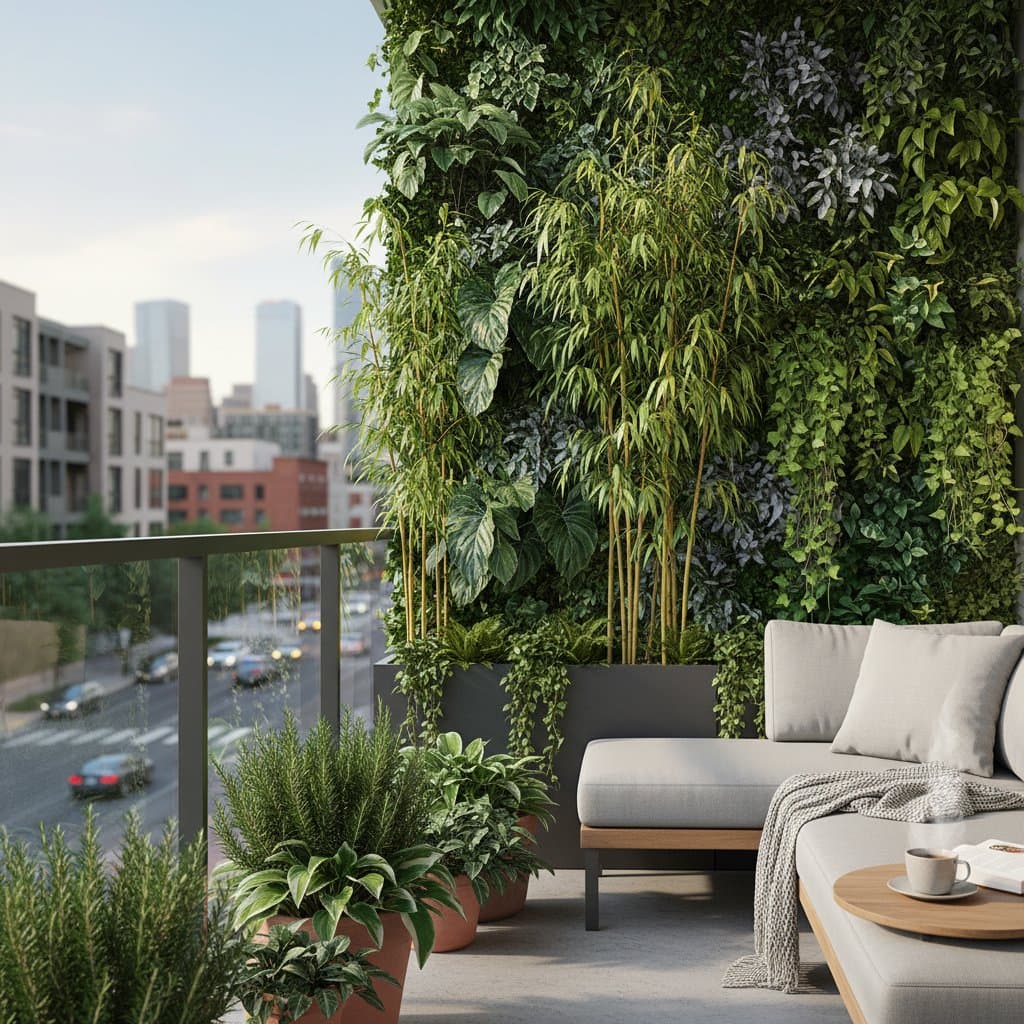
How Plants Silence Street Noise on Your Balcony
Urban environments pulse with vitality, yet the relentless drone of traffic and pedestrian chatter often invades personal spaces. A balcony offers a vital escape, but unchecked noise transforms it into an unwelcome extension of the street below. Fortunately, strategic use of plants creates a living sound barrier that dampens these disturbances while enhancing the aesthetic and ecological value of your outdoor area.
Plants achieve noise reduction through their physical properties. Thick foliage captures sound waves, preventing reflection, while dense arrangements block direct paths for noise transmission. This method proves gentler on both budget and structure compared to installing solid walls or panels.
Understanding Noise Reduction with Plants
Sound travels as vibrations through the air, and urban balconies face exposure from multiple directions, including ground-level traffic and adjacent buildings. Vegetation intervenes by absorbing high-frequency sounds like horns and voices, which plants with broad, soft leaves handle effectively. Research in acoustics supports this approach, showing that a well-placed green screen can lower perceived noise levels by 5 to 10 decibels, a noticeable improvement in comfort.
Density plays a crucial role. Plants with overlapping leaves and branches create irregular surfaces that scatter sound waves rather than allowing them to bounce back amplified. For optimal results, aim for coverage that spans at least 70 percent of the balcony's perimeter facing the noise source. This setup not only quiets the space but also improves air quality by filtering pollutants common in city settings.
Spacing matters as well. Overly tight arrangements risk poor air circulation, leading to plant stress, while gaps permit sound leakage. A balanced layout ensures both acoustic benefits and healthy growth, turning your balcony into a resilient micro-ecosystem.
Essential Tools and Materials
Assembling the right supplies simplifies the process and supports long-term success. Begin with sturdy containers to accommodate root growth without compromising stability.
- Large planters, each with a minimum depth of 12 inches (30 centimeters), preferably made from weather-resistant materials like fiberglass or terracotta.
- High-quality potting mix formulated for outdoor use, enriched with drainage aids to prevent root rot.
- A soil moisture meter for precise watering, avoiding guesswork that could harm plants.
- Gardening gloves and sharp hand pruners to handle foliage safely and maintain shapes.
- Trellis panels or wire frames, at least 4 feet (1.2 meters) tall, to support vining species.
- A watering can with a rose attachment or an automated drip irrigation kit for consistent hydration.
These items remain accessible at local garden centers or online retailers, with most setups requiring no specialized skills.
Step-by-Step Guide to Building Your Green Barrier
Approach this project methodically to maximize effectiveness. Start by evaluating your balcony's specific noise profile.
-
Assess noise sources. Spend a few minutes on your balcony during peak hours. Identify the primary directions of intrusion, such as the street-facing railing or open sides exposed to neighboring traffic. Mark these areas with tape for reference.
-
Establish vertical elements. Position tall planters or attach railing-mounted boxes along the noisiest edges. Maintain 6 to 8 inches (15 to 20 centimeters) between containers to allow airflow and prevent overcrowding. Secure them with brackets if your railing lacks built-in supports.
-
Select appropriate plants. Opt for species known for density and resilience in urban conditions. Bamboo varieties like Fargesia offer rapid growth and thick canes that block low-frequency rumbles. Ficus trees provide broad leaves for high-frequency absorption, while evergreen shrubs such as boxwood maintain year-round coverage.
For compact balconies, incorporate aromatic herbs. Rosemary's needle-like leaves and woody stems diffuse sharp sounds, and lavender adds a calming scent that complements the acoustic benefits. Ensure all choices suit your climate zone to avoid frequent replacements.
-
Incorporate layered textures. Combine plants with varying leaf sizes and shapes for comprehensive sound scattering. Pair large-leafed specimens like elephant ears with finer options such as ferns. This diversity creates a multifaceted barrier that handles a broad spectrum of noise frequencies.
-
Integrate climbing varieties. Secure trellises to walls or railings and train vines like English ivy or star jasmine to grow upward. These plants fill vertical space efficiently, reducing echoes from above and below. Prune regularly to encourage bushy growth rather than sparse tendrils.
-
Maintain the installation. Water deeply once or twice weekly, depending on weather, and trim spent growth to keep the barrier dense. Monitor for pests, which can weaken foliage and reduce effectiveness. Healthy plants sustain the noise-dampening properties over time.
Ensuring Safety in Your Setup
Balcony modifications demand attention to structural integrity. Filled planters grow heavy; a standard 12-inch pot with soil and a mature plant can exceed 40 pounds (18 kilograms). Distribute weight evenly and consult your building's guidelines on load limits, typically 50 to 100 pounds per square foot.
Anchor tall elements against wind gusts, which amplify in high-rises. Use guy wires or heavy bases for stability. Position heavier pots away from edges to minimize tipping risks, and inspect hardware seasonally for corrosion.
Consider accessibility too. Place frequently used items like seating in quieter zones behind the plant line. This arrangement protects users from direct noise exposure while facilitating easy maintenance.
Common Challenges and Solutions
Even with careful planning, issues may arise. If noise persists in certain spots, inspect for uncovered gaps where sound slips through. Address them by adding low-growing fillers like hostas or clustering smaller pots to seal openings.
Plant health signals warrant prompt action. Yellowing leaves often indicate overwatering or nutrient deficiency; test soil pH and adjust with appropriate fertilizers. For insufficient light, relocate shade-tolerant species or supplement with grow lights during shorter days.
In high-pollution areas, leaves may accumulate grime, dulling their acoustic role. Gentle rinsing with a hose restores vibrancy. If expansion proves necessary, introduce movable screens woven with fabric for hybrid reinforcement without permanent changes.
Cost Breakdown and Timeline
This project remains affordable and straightforward. Initial outlay covers three to five planters at $20 to $30 each, plus starter plants ranging from $10 to $25 per specimen, totaling $50 to $150. Trellises and tools add another $30 to $50 if not already owned.
Assembly spans two to three hours: one for positioning and filling pots, another for planting and initial training. Weekly upkeep involves 10 to 15 minutes of watering and pruning, with seasonal deep cleans taking an additional hour.
Long-term savings emerge from reduced need for mechanical noise solutions. Mature plants, after one growing season, deliver peak performance, justifying the modest investment.
Adapting to Seasons
Urban balconies endure fluctuating conditions, so tailor care accordingly. In spring, refresh soil with compost to bolster growth. Summer demands vigilant watering to combat heat stress, while fall trimming removes faded foliage for winter preparation.
Cold weather poses frost risks to roots. Insulate pots with burlap wraps or bubble wrap, and cluster them near building walls for residual warmth. Hardy evergreens like arborvitae withstand chills, ensuring the barrier remains functional year-round.
Rotate plants quarterly to equalize sun exposure, preventing leggy growth on one side. This practice sustains density and extends the lifespan of your green installation.
Implementing Your Balcony Transformation
Dedicate a weekend afternoon to launch this initiative. Begin with a core setup of three planters targeting the main noise vector, then observe changes over a week. Incremental additions, such as a trellis or extra layering, refine the effect progressively.
As the greenery matures, your balcony evolves into a verdant sanctuary. The combined hush of softened sounds, fragrant blooms, and improved privacy fosters deeper relaxation. This natural strategy not only quiets the urban din but also reconnects you with the soothing rhythm of living elements.