
Loading...

Acoustic Panels Reduce Urban Deck Noise by 15dB | urbanoutdoorsnyc.com | Urban Outdoors - Small-Space Gardens, Rooftop Decks, Balconies, Decks, Backyard Design
Skip to main content
Urban Outdoors
Search
Home
  1. Home
  2. /
  3. Deck Construction & Remodeling
  4. /
  5. Acoustic Panels Cut Urban Deck Noise by 15 Decibels
Deck Construction & Remodeling

Acoustic Panels Cut Urban Deck Noise by 15 Decibels

byDawn Hayden
2026-03-04 04:13:07March 4, 2026
6 min read
Featured image for Acoustic Panels Cut Urban Deck Noise by 15 Decibels

Categories

Navigation

  • Home
  • All Articles
  • About Us
  • Privacy Policy
  • Terms of Service

© 2026 Urban Outdoors. Crafted for bold city dwellers.

2026-03-04 04:16:26
Urban Outdoors - Small-Space Gardens, Rooftop Decks, Balconies, Decks, Backyard Design

Creating Tranquil Urban Decks: How Acoustic Panels Block City Noise

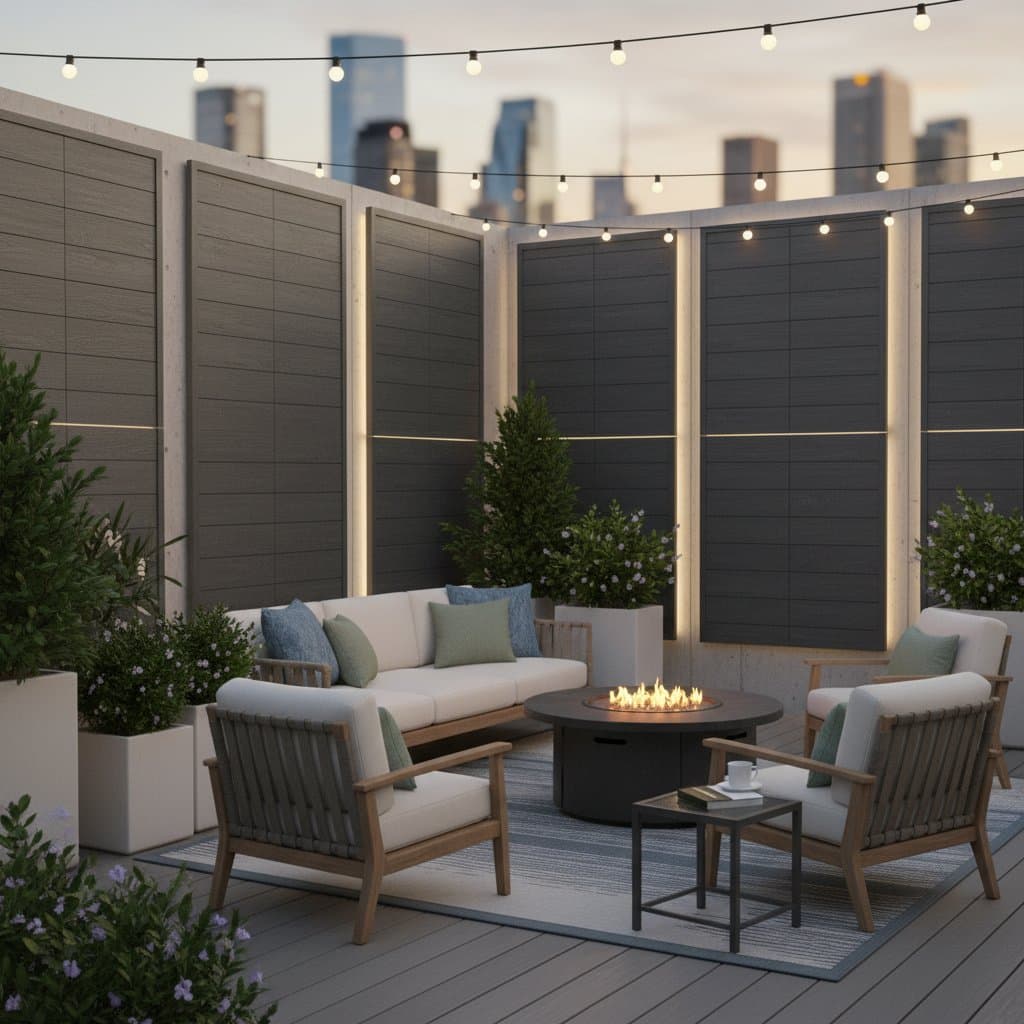
Urban environments pulse with relentless sounds from traffic, conversations, and mechanical systems. Balconies and rooftop decks often amplify this intrusion, making relaxation challenging. The solution lies in strategic sound absorption to foster a serene outdoor space for reading, dining, or unwinding.

This guide details acoustic panels, their outdoor applications, and installation processes. Readers gain insights into material selection, layout design, and maintenance practices to sustain quiet in city settings.

Understanding Acoustic Panels

Acoustic panels consist of dense cores like mineral wool, fiberglass, or specialized foam, encased in durable, weather-resistant fabric. While indoor versions primarily dampen echoes, outdoor panels target external noise sources such as street-level clamor and adjacent building activities. These panels absorb rather than reflect sound waves, softening the intensity without eliminating all auditory input.

Effective installations achieve noise reductions of 8 to 15 decibels, converting intrusive roars into subdued hums. Homeowners accomplish this using standard tools and mounting systems, ensuring accessibility for DIY projects.

Core Advantages

  • Reduced auditory stress from pervasive urban sounds
  • Enhanced conversational privacy during gatherings
  • Increased overall comfort for leisure activities
  • Potential boost in property appeal through expanded usable outdoor areas

Successful noise mitigation requires thoughtful absorption strategies. Factors like material density, panel spacing, and angular placement influence performance, preventing sound rebound into the deck area.

Essential Tools and Materials

Basic hand tools suffice for most installations, with minimal need for powered equipment beyond a drill.

Required Tools

  • 25-foot measuring tape (7.6 meters)
  • 2-foot level (0.6 meters)
  • Cordless drill equipped with appropriate bits
  • Utility knife for precise cuts
  • Caulking gun for weatherproof sealants
  • Sturdy ladder for elevated placements

Key Materials

  • 2-inch thick (5 centimeters) outdoor-rated acoustic panels
  • Corrosion-resistant mounting brackets or frame rails
  • Marine-grade vinyl or weatherproof fabric coverings
  • Stainless steel screws to resist rust
  • Backer boards for irregular surfaces
  • Acoustic sealing strips for seam connections

Select panels boasting a Noise Reduction Coefficient (NRC) of 0.7 or above, indicating absorption of approximately 70 percent of incident sound energy.

Installation Process

These steps outline panel integration on deck walls or railings. Proceed methodically, verifying measurements at each stage to ensure precision.

Step 1: Assess and Measure

Identify deck sides exposed to primary noise origins, such as nearby roadways. Calculate the dimensions of targeted sections, accounting for obstacles like vents or fixtures. Standard panels measure 24 by 48 inches (61 by 122 centimeters); draft a coverage plan that intercepts direct sound paths while preserving ventilation through modest corner gaps.

Step 2: Construct Frames

Frames provide structural integrity against wind and elements. Purchase pre-fabricated aluminum options or assemble wooden versions from 1-by-2-inch (2.5 by 5 centimeter) lumber treated with exterior sealant. Robust framing averts deformation and prolongs panel longevity.

Step 3: Surface Preparation

Clear the mounting area of debris, loose coatings, or irregularities. Affix backer boards to uneven substrates for level attachment. This preparation optimizes seal adhesion and minimizes vibrational disturbances.

Step 4: Install Brackets

Pencil-mark bracket locations at 16-inch (40 centimeter) intervals both horizontally and vertically. Secure with stainless hardware, confirming alignment via level. Apply torque judiciously to avoid surface damage.

Step 5: Secure Panels

Position panels onto brackets and fasten securely. Insert acoustic seal strips at adjoining edges to seal against sound penetration. Maintain a 1-inch (2.5 centimeter) gap at perimeters for moisture circulation.

Step 6: Apply Coverings

Encase unsealed panels in weatherproof fabric, stapling from the frame's rear. Eliminate creases to facilitate drainage, then apply sealant along upper edges for core protection.

Step 7: Evaluate Performance

Post-installation, assess auditory changes from various positions. Introduce supplementary absorbers like dense-foliage planters in persistent echo zones for refined results.

Safety Considerations

Gloves protect against fiberglass or wool fibers during handling. Eye shields prevent debris during overhead drilling. Avoid obstructing drainage or airflow paths. For shared structures, obtain building management approval prior to modifications.

Panels' weight demands assistance for units exceeding 2 by 4 feet; distribute loads evenly to maintain stability.

Common Issues and Solutions

Weather exposure may reveal challenges over time; address them promptly to preserve efficacy.

Water Absorption

Damp or weighted panels signal inadequate sealing. Dismantle, air-dry indoors for 24 hours minimum, then reinforce with silicone sealant and 2-inch (5 centimeter) fabric overlaps.

Sound Leakage

Inspect for gaps exceeding 0.25 inch (0.6 centimeter) at joints or corners. Apply acoustic caulk or foam-lined trim to restore integrity.

Wind-Induced Vibration

Secure loose fittings and insert rubber washers between brackets and frames to dampen movement.

Mold Development

Shaded, humid conditions foster growth on coverings. Clean with diluted soap solution, rinse thoroughly, and dry completely. Steer clear of bleach to safeguard material strength.

Ongoing Maintenance

Panels endure 3 to 7 seasons with diligent care, varying by environmental demands.

  • Perform biannual cleaning using mild detergent and water.
  • Examine fasteners and seals for wear.
  • Renew fabric waterproofing annually.
  • Trim adjacent vegetation to avert moisture retention.

Store reserves vertically in dry indoor spaces, avoiding flat stacking that compresses absorptive layers.

Storage Guidelines

For seasonal removal:

  1. Surface-wipe panels to remove residue.

  2. Enclose in breathable coverings like tarps or sheets.

  3. Position upright against walls.

  4. Elevate from concrete floors to block dampness transfer.

Tag panels by location for seamless reinstallation.

Cost and Timeline Estimates

Projects for 10-by-12-foot decks typically require 8 to 12 panels at $60 to $100 each. Accessories like brackets and sealants contribute $80 to $120. Total budgets range from $700 to $1,200.

DIY efforts span 1 to 2 days, plus additional time for prep and finishing, fitting weekend schedules.

Adapting to Seasons

Seasonal shifts alter sound propagation; proactive adjustments maintain consistent quiet.

Summer Adjustments

Monitor sun-induced fading on fabrics. Incorporate vine-covered trellises for added absorption. Reapply sealants following intense rainfall.

Winter Preparations

Scan for freeze-induced fractures. Shield with transparent tarps during storms. Remove accumulations exceeding 3 inches (7.5 centimeters) to prevent core compression.

Professional Assistance

Shared or structural decks benefit from expert input on load capacities and compliance. Inquire about:

  • NRC values and environmental durability ratings.

  • Non-invasive mounting techniques.

  • Material samples for review.

Professionals often conduct pre- and post-installation sound measurements, with fees of $300 to $600 for consultations and support.

Essential Insights

Acoustic panels redirect sound energy, yielding calmer urban decks. Prioritize NRC ratings of 0.7 or greater for tangible benefits. Sealed installations and routine upkeep safeguard against degradation.

Incremental applications yield progressive improvements; even partial coverage notably eases auditory strain.

Implementing Your Project

Begin modestly to build confidence:

  1. Audit noise patterns by lingering in deck corners and pinpointing intense sources.

  2. Dimension and outline a single wall for initial panels.

  3. Procure material samples from suppliers to evaluate suitability before full commitment.

A hushed deck redefines outdoor living, shifting focus from urban din to personal serenity and natural subtleties. Panels empower reclamation of these spaces, enhancing daily well-being one installation at a time.

You Might Also Like

Plants That Absorb City Noise on Small Balconies

Wind Breaks Cut Rooftop Gusts by Half While Keeping Views Open

Plants That Cut Balcony Noise Naturally

Solar Railings Cut Deck Lighting Costs to Zero

The Deck Trick: Growing Gourmet Mushrooms at Home

Tagged:

Privacy,acoustic,noise reduction,panels,urban,noise,reduction,acoustic-panels,urban-privacy

Recent by Dawn Hayden

Image for Turn Your Rooftop Into a Native Pollinator Meadow

Turn Your Rooftop Into a Native Pollinator Meadow

Mar 2, 2026
Image for Solar Pergolas Turn Rooftops Into Power Sources

Solar Pergolas Turn Rooftops Into Power Sources

Mar 1, 2026
Image for Wind Breaks Cut Rooftop Gusts by Half While Keeping Views Open

Wind Breaks Cut Rooftop Gusts by Half While Keeping Views Open

Mar 1, 2026
Image for Hidden Compost Bins That Keep City Decks Clean

Hidden Compost Bins That Keep City Decks Clean

Mar 1, 2026
Image for Native Plants Feed Urban Bees on Tiny Balconies

Native Plants Feed Urban Bees on Tiny Balconies

Feb 28, 2026

Privacy

Image for Plants That Absorb City Noise on Small Balconies

Plants That Absorb City Noise on Small Balconies

Mar 3, 2026
Image for Wind Breaks Cut Rooftop Gusts by Half While Keeping Views Open

Wind Breaks Cut Rooftop Gusts by Half While Keeping Views Open

Mar 1, 2026
Image for Plants That Cut Balcony Noise Naturally

Deck Construction & Remodeling

Solar Pavers Turn Your Deck Into a Power Source

Convert your deck into an energy-generating feature using solar pavers. These robust, non-slip tiles produce clean power to illuminate pathways, recharge devices, and lower utility expenses. Review installation procedures, care guidelines, and professional recommendations to maintain an attractive, effective, and independent outdoor environment.

Mar 3, 2026

Shade Sails Drop Deck Temps 20 Degrees Fast

Shade sails emerge as the premier 2026 option for cooler decks, leveraging tensioned fabrics that slash surface heat by 20 degrees while promoting airflow and elegance. This guide covers material selection, secure anchoring, and upkeep strategies to deliver enduring outdoor enjoyment.

Mar 2, 2026

Hidden Compost Bins That Keep City Decks Clean

Elevate your urban deck with concealed micro compost bins integrated into railings. This comprehensive guide details planning, construction, installation, and upkeep to maintain a tidy, eco-conscious patio without compromising aesthetics or convenience.

Categories

Deck Construction & Remodeling(198)
Balcony Design(174)
Small-Space Gardens(75)
Rooftop Decks(69)
Backyard Design(21)

Plants That Cut Balcony Noise Naturally

Feb 28, 2026
Image for Acoustic Screens Cut Neighbor Noise by 40%

Acoustic Screens Cut Neighbor Noise by 40%

Feb 25, 2026
Image for Acoustic Panels Turn Noisy Decks Into Quiet Retreats

Acoustic Panels Turn Noisy Decks Into Quiet Retreats

Feb 23, 2026
Mar 1, 2026

Shade Sails Block 95% of UV While Cooling Your Deck

Elevate your deck with shade sails that deflect up to 95% of harmful UV rays while providing refreshing shade. This comprehensive guide details fabric selection, anchor installation, tension techniques, and ongoing care, all achievable on a modest weekend investment. Achieve greater comfort, safeguard your outdoor area, and embrace seamless al fresco experiences year-round.

Feb 28, 2026

Solar Drip Systems Cut Deck Garden Water Waste 80%

Elevate your deck garden with a solar-powered drip system that uses sunlight for targeted watering, slashes water waste by 80%, and requires minimal upkeep. This guide covers assembly, installation, and tips to maintain thriving plants sustainably.

Feb 28, 2026

Solar Railings Cut Deck Lighting Costs to Zero

Elevate your deck with solar railings that harness sunlight to power lights without utility bills. These systems feature clear solar panels, integrated batteries, and efficient LEDs for a seamless blend of functionality and aesthetics, delivering energy autonomy, minimal upkeep, and eco-friendly illumination.

Feb 27, 2026

The Deck Trick: Growing Gourmet Mushrooms at Home

Convert your deck into a productive mushroom cultivation area with essential tools, effective moisture strategies, and adaptations for changing seasons. This guide details growing premium oyster, lion’s mane, or shiitake mushrooms in buckets or bags, delivering fresh, flavorful results year-round. Inexpensive, easy to maintain, and highly satisfying, these methods prove that compact areas produce substantial culinary rewards.

Feb 26, 2026

Walkable Solar Pavers Turn Patios Into Power Plants

Walkable solar pavers integrate photovoltaic technology into patios, decks, and pathways, generating clean electricity while preserving design integrity. These tiles harness sunlight to energize outdoor features or home networks. Discover their mechanics, pricing, setup process, upkeep advice, and role in advancing sustainable landscapes.

Feb 26, 2026

Why Cork Decks Are the Soft Eco-Choice for 2026

Cork decking rises as a leading sustainable and comfortable material for outdoor spaces in 2026. Derived from renewable cork oak bark, it provides cushioning underfoot, thermal insulation, and resistance to environmental stresses. Suitable for urban balconies and rooftops, cork decks offer a warm, quiet, and eco-conscious alternative with straightforward installation and upkeep.

Feb 26, 2026

Acoustic Screens Cut Neighbor Noise by 40%

Convert a noisy urban patio into a tranquil retreat with acoustic screens that lessen neighbor and traffic sounds by up to 40 percent. Delve into how these panels function, choose suitable materials, and execute detailed installation for effective, elegant noise reduction that fosters privacy, comfort, and calm city living.

Feb 25, 2026

Solar Railings Turn Your Deck Into a Power Source

Elevate your deck or balcony by integrating solar railings, which combine safety features with photovoltaic technology to produce renewable energy. These elegant glass panels enable you to charge electronics, illuminate spaces, and embrace sustainability without compromising design. Discover essential planning, installation, and care strategies to maximize their potential.

Feb 24, 2026

Misting Solar Shade Sails Drop Deck Temps 20 Degrees

Convert your deck into a shaded oasis using misting solar shade sails. These versatile structures provide cooling mist, UV protection, and potential energy savings. Follow this guide for installation, upkeep, and optimization to enjoy pleasant outdoor conditions on the warmest days.

Feb 23, 2026

Acoustic Panels Turn Noisy Decks Into Quiet Retreats

Convert a noisy urban deck into a serene retreat using outdoor acoustic panels. This comprehensive guide details selection criteria, installation methods, and upkeep for weather-resistant panels that minimize echoes, enhance privacy, and elevate aesthetics. Discover actionable advice, essential materials, and strategies to foster a calm, inviting outdoor environment.

Feb 23, 2026

Solar Pergolas Cut Cooling Costs and Shade Your Deck

Elevate your deck with a solar pergola that offers shade and renewable energy. This versatile addition cools your space naturally, powers home features, and cuts cooling expenses. Discover planning essentials, material choices, installation guidance, cost breakdowns, and seasonal upkeep for optimal performance and durability.

Feb 21, 2026

Cork Decking Stays Cool and Soft in Summer Heat

Elevate your outdoor area with cork decking, a renewable and water-resistant material that remains cool, quiet, and comfortable underfoot. Discover planning, installation, and maintenance strategies using essential tools and straightforward care routines to achieve enduring slip resistance, sustainability, and aesthetic appeal on decks, balconies, or terraces.

Feb 20, 2026

Moss Decks Replace Grass in Tight Urban Yards

Moss decks offer a transformative solution for compact outdoor areas, delivering year-round greenery without the need for mowing. This shade-loving surface demands little upkeep, absorbs sound, cools the air, and supports environmental health. Follow these guidelines to install, maintain, and appreciate a resilient, living landscape that simplifies urban living.

Feb 19, 2026

Solar Railings Turn Your Deck Into a Power Source

Elevate your deck's functionality by integrating solar railings that produce clean electricity without compromising aesthetics or safety. This guide covers essential planning, installation strategies, ongoing maintenance, and troubleshooting to achieve optimal performance, reduced energy costs, and a contemporary outdoor environment.

Feb 19, 2026

Solar Pavers Turn Your Deck Into a Power Source

Solar pavers integrate photovoltaic technology into durable deck tiles, allowing you to generate clean electricity with every footstep and sunbeam. This comprehensive guide explains their mechanics, step-by-step installation, required tools, safety protocols, and ongoing maintenance. Design an eco-friendly deck that not only enhances your outdoor area but also contributes to powering your home efficiently.

Feb 18, 2026

Retractable Pergolas Turn Decks Into Year-Round Rooms

Convert your deck into a durable, all-season outdoor haven resilient to rain, wind, and sun. Delve into the benefits of retractable pergolas, living pods, and complete enclosures, along with guidance on planning, installation, upkeep, and safety to craft an ideal protected outdoor environment.

Feb 18, 2026

Acoustic Panels Drop Deck Noise by Half

Turn your urban deck from a noisy spot into a serene escape using outdoor acoustic panels. This guide covers planning, installation, and upkeep for sound-absorbing solutions that cut echoes, boost privacy, and endure weather while staying stylish and budget-friendly.

Feb 17, 2026