
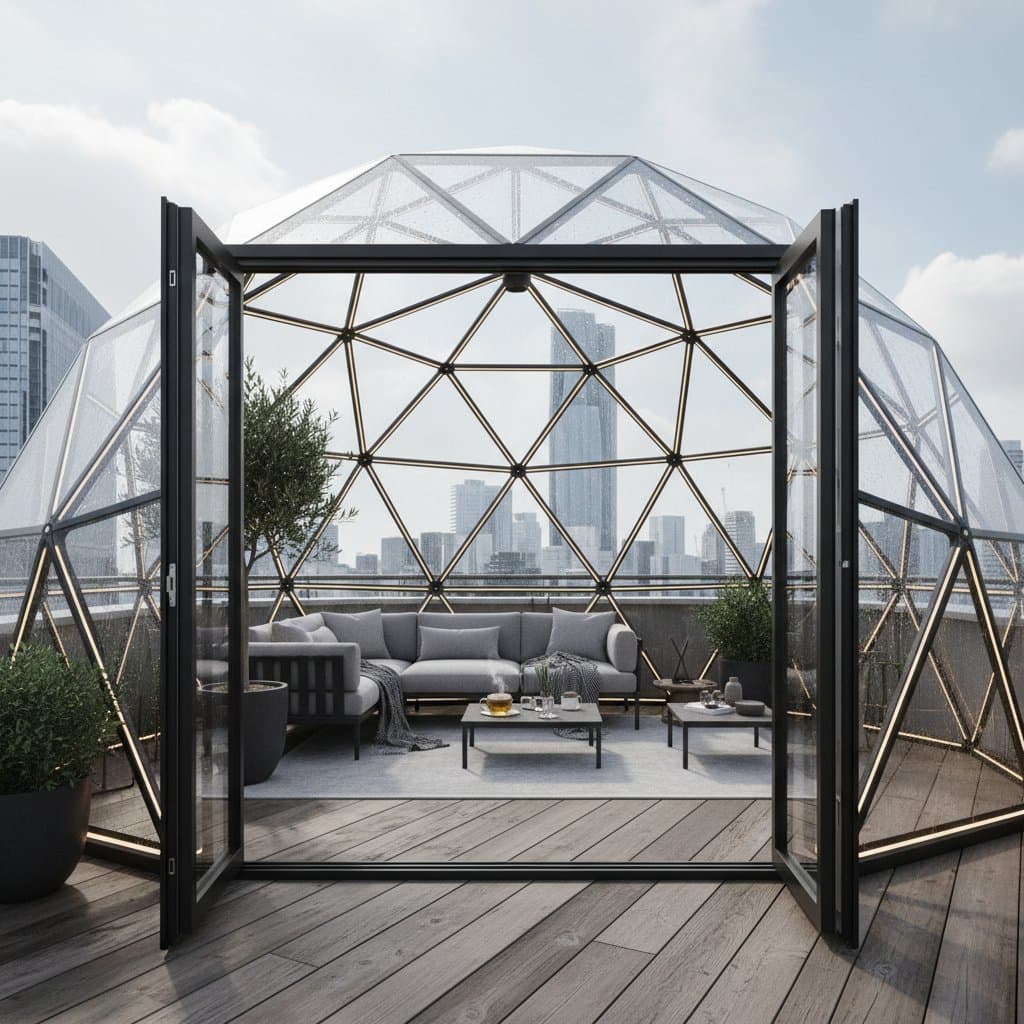
Transform Your Balcony into a Weather-Proof Bubble
Rain, wind, and city noise often render a balcony unusable for much of the year. A weather-proof balcony bubble addresses this issue effectively. This enclosure allows outdoor enjoyment without exposure to harsh elements, while maintaining the scenic view and access to fresh air.
Options include retractable domes, clear vinyl curtain systems, or modular glass panel setups. Each provides a unique combination of cost, installation effort, and comfort level. The following guide outlines the process to design, install, and maintain a balcony bubble suited to your specific space and lifestyle.
Overview of Balcony Enclosures
A balcony enclosure consists of transparent or semi-transparent barriers installed around the perimeter to shield against rain, wind, and temperature fluctuations. The retractable dome stands out for its adaptability, opening and closing in sections as needed. When closed, it retains warmth and deflects wind; when open, it restores the feel of an uncovered terrace.
Such enclosures expand livable area significantly. Residents gain space for reading, dining, or cultivating plants throughout the seasons. Additionally, they minimize weather-related damage to flooring and furnishings, functioning much like a lightweight sunroom elevated at balcony height.
Essential Tools and Materials
Gather these items before beginning the project:
- Tape measure, ladder, and spirit level
- Power drill, corrosion-resistant screw set, and silicone sealant
- Clear acrylic or tempered glass panels, sized for a minimum of three vertical sections
- Aluminum framing or a polycarbonate dome kit
- Retractable track system or hinge hardware
- Weather stripping and waterproof gaskets
- Optional additions: compact space heater, ceiling fan, or humidity sensor
Measure the balcony dimensions meticulously, recording width and height at multiple points. This ensures the enclosure aligns properly and operates without binding.
Step-by-Step Installation Guide
1. Measure and Plan the Layout
Sketch the balcony layout, noting railing height, ceiling overhang, and electrical outlets. Target at least 6 feet 6 inches of headroom inside the finished enclosure. Include a 1-inch ventilation gap if local building codes mandate it.
Define the primary function of the space, such as a reading area, garden spot, or dining zone. This decision influences requirements for insulation, airflow, and natural lighting.
2. Select the Enclosure Type
Retractable domes form a curved, protective shell using UV-resistant polycarbonate panels on aluminum frames. A 6-foot dome typically costs less than a complete glass wall and installs more quickly.
Sliding glass panels offer a more permanent appearance with superior noise reduction. They accommodate small heating units effectively but demand accurate framing.
Vinyl curtain systems provide the lowest cost option. These roll up and secure via clips, allowing installation in a single afternoon, though they offer limited insulation.
3. Prepare the Balcony Surface
Remove all items, including rugs and planters. Thoroughly sweep and clean the floor. Inspect the railing for rust or loose fasteners, tightening or replacing as necessary.
Account for any floor slope designed for drainage by adjusting the frame accordingly. Install drainage channels or 0.25-inch spacers beneath frame rails to prevent water accumulation.
4. Assemble the Frame Structure
Position and secure the base rails using corrosion-resistant screws. Verify alignment with a spirit level. Erect vertical supports at 24-inch intervals.
For dome kits, attach curved ribs to pre-drilled holes via snapping or bolting. Apply silicone sealant to all joints. Permit 24 hours for curing prior to panel installation.
5. Install Panels or Dome Components
Handle each panel with care to prevent scratches on acrylic or polycarbonate surfaces. Use gloves and enlist a partner for lifting.
Slide panels into tracks or gaskets, securing with fasteners applied gently to avoid cracks. For retractable domes, verify smooth sliding or folding operation before final sealing. Fine-tune tension screws as required.
6. Apply Seals and Ventilation
Position weather stripping along all edges. Add silicone beads at panel-to-wall junctions. Incorporate a small vent near the top to mitigate condensation, screened with mesh to deter insects.
7. Incorporate Comfort Enhancements
Reposition furniture and install lighting once sealing completes. Opt for waterproof flooring mats and space-efficient furnishings to maintain clear pathways. Integrate a ceramic heater for chilly evenings or a clip-on fan for warmer conditions.
For greenery, select self-watering pots. The enclosed environment retains moisture, necessitating regular soil checks every few days.
Key Safety Considerations
Wear gloves and protective eyewear during cutting or drilling tasks. Refrain from over-tightening screws into glass or acrylic materials. Position heaters at least 12 inches from vinyl or plastic components.
Preserve drainage openings along balcony edges. Consult building regulations prior to securing elements to exterior walls.
Common Troubleshooting Solutions
Address panel fogging by enhancing ventilation or introducing a compact dehumidifier. Remedy dome dripping through resealing seams and confirming proper roof pitch.
Reduce wind noise by inserting foam weather stripping at frame connections. Ease stiff movement by cleaning tracks with mild soap and applying lubricant.
Cost and Timeline Expectations
A basic vinyl curtain setup ranges from 150 to 400 dollars. Mid-level polycarbonate domes fall between 600 and 1,200 dollars. Comprehensive glass systems may exceed several thousand dollars.
Two-person DIY projects typically require 6 to 8 hours. Pre-cut panels in dome kits accelerate assembly. Invest in premium sealant and stainless-steel hardware to avert leaks and corrosion.
Ongoing Maintenance Practices
Wipe panels biweekly using a soft cloth and mild detergent. Steer clear of ammonia-based cleaners on plastics. Inspect seals and tracks biannually, replacing weather stripping upon detecting drafts.
Clear snow or heavy rain accumulations promptly to avoid panel deformation. Store detachable sections in a dry location when unused. Disconnect heaters or fans before fully closing the enclosure.
Efficient Storage Strategies
Maintain a waterproof bin for cleaning supplies, spare gaskets, and tools. Install wall-mounted hooks for chairs or lighting. Label all cords and extension plugs.
Employ vertical planters to maximize floor area. A collapsible drying rack suits the protected space for air-drying laundry, positioned at least 2 feet from heat sources.
Professional Installation Indicators
Engage a licensed professional if the balcony railing shows structural weakness, if the unit exceeds the tenth floor, or if building rules demand certified components. Request documentation of weather load testing and warranty details.
Expand Your Living Space Year-Round
Implementing a retractable dome enclosure unlocks the full potential of your balcony. This addition delivers protection, comfort, and versatility, enhancing daily life with extended outdoor access. Enjoy the benefits of a resilient, inviting retreat tailored to urban demands.