
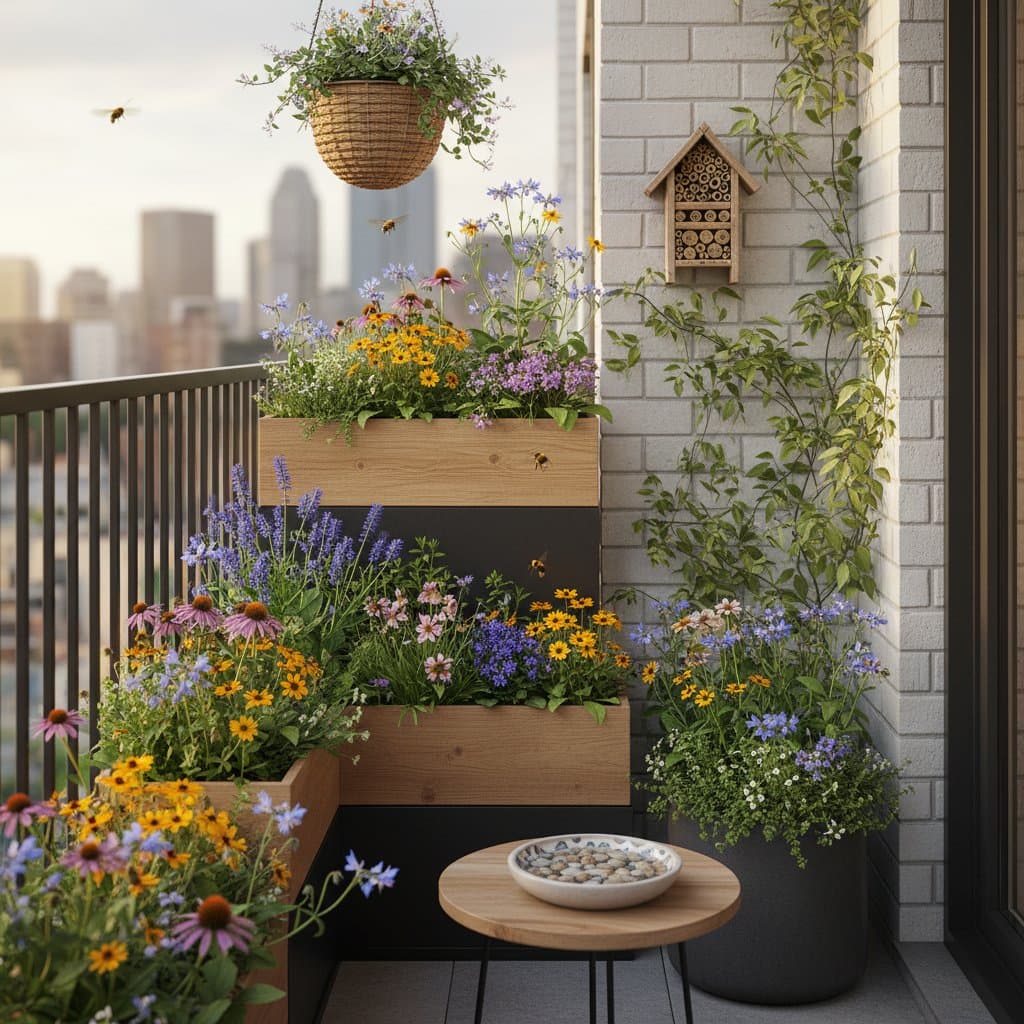
Introduction to Balcony Bee Habitats
Urban living often limits access to green spaces, yet balconies offer an ideal opportunity to support declining bee populations. Bees play a crucial role in pollination, benefiting gardens and food production alike. By transforming a balcony into a dedicated habitat, individuals can create a micro-ecosystem that attracts native species such as mason bees and bumblebees, enhancing local biodiversity even in dense city environments.
This guide outlines the essential elements required to establish and maintain a bee-friendly balcony. Focus on selecting appropriate plants, providing shelter and water, and implementing low-effort care routines. Such efforts not only aid pollinators but also yield a vibrant, colorful space that improves air quality and personal well-being.
Selecting Bee-Attracting Plants
Choose plants that provide nectar and pollen across blooming seasons to ensure year-round support for bees. Native species thrive in urban conditions and require less water and fertilizer than non-natives. For a New York City balcony, prioritize perennials and herbs adapted to the region's climate, which features hot summers and cold winters.
Recommended plants include:
- Lavender (Lavandula angustifolia): Blooms early summer with purple flowers rich in nectar; tolerates full sun and dry soil.
- Bee balm (Monarda didyma): Attracts bumblebees with vibrant red or pink blooms from mid-summer; prefers partial shade and moist conditions.
- Salvia (Salvia officinalis): Offers blue or purple spikes that draw solitary bees; drought-resistant and evergreen in mild winters.
- Sunflowers (Helianthus annuus): Provide large, pollen-heavy heads in late summer; plant dwarf varieties for container growth.
- Mint (Mentha spicata): A hardy herb that flowers in late summer, appealing to honeybees; grows vigorously but needs containment to prevent spreading.
Start with a combination of three to five varieties in pots of varying sizes. Use well-draining soil mixed with compost to promote healthy root development. Position taller plants like sunflowers at the back to maximize sunlight exposure for all.
Creating Shelter and Water Sources
Bees require safe nesting sites and fresh water to thrive. Install a bee house, also known as a bee hotel, to accommodate solitary bees that do not form hives. Construct or purchase one with hollow reeds, bamboo tubes, or drilled wood blocks bundled together. Mount it on a south-facing wall, at least three feet above ground, in a sheltered spot away from strong winds.
For water, place a shallow dish filled with pebbles or corks submerged partially in water. This allows bees to land safely while drinking, preventing drowning. Refresh the water every few days to keep it clean and add a pinch of sea salt occasionally to mimic natural sources.
Incorporate additional features like a small log pile or untidy corner with dry leaves for ground-nesting bees. These elements transform the balcony into a comprehensive habitat without occupying much space.
Budget and Setup Timeline
Establishing a bee habitat proves affordable and straightforward. Initial costs break down as follows:
- Planters and soil: Approximately $20
- Plants: $30 to $50, depending on size and variety
- Bee house and water dish: $15
Total investment ranges from $65 to $85 for a basic setup. Source materials from local nurseries or online suppliers specializing in native plants to ensure quality and support regional ecosystems.
Setup requires about half a day. Begin by arranging pots on the balcony floor or railing, ensuring stability against wind. Plant seeds or seedlings, install the bee house, and fill the water dish. Observe initial bee activity within the first week as scents from new blooms draw visitors.
Maintenance demands minimal time: 10 to 15 minutes every two days during warm months for watering and monitoring. Most perennials return annually, reducing future expenses to occasional replacements or expansions.
Seasonal Maintenance Practices
Sustain the habitat through consistent care tailored to seasonal changes. During spring and summer, feed plants with organic fertilizer once a month to boost growth and flower production. Prune herbs such as mint and basil regularly to maintain bushy growth and prevent woody stems that reduce appeal to bees.
Rotate pots every few weeks to ensure even light distribution, as urban shadows from buildings can unevenly affect growth. Water deeply but infrequently to encourage strong roots, checking soil moisture by inserting a finger an inch deep.
As autumn arrives, collect seeds from spent flowers for replanting. In winter, relocate containers closer to the building wall for natural insulation and wrap bases with burlap or cardboard to protect roots from frost. Avoid overwatering during dormant periods.
At season's end, clean the bee house thoroughly. Remove used tubes or stems, discarding any with signs of pests or mold. Replace with fresh, dry bundles and store the house in a cool, dry place until spring reactivation.
Observing and Expanding Your Habitat
Monitor progress by noting which plants attract the most bees and at what times. Use a simple journal to record species sightings, such as the metallic sheen of mason bees or the fuzzy stripes of bumblebees. This data informs future adjustments, like adding more early-blooming options if spring activity lags.
Expand gradually by introducing new plants each season, considering balcony size and sunlight patterns. For larger spaces, incorporate vertical gardening with hanging baskets or trellises to layer habitats without crowding.
Engage family or neighbors in the process. Assign tasks like watering or bee tracking to build community awareness. Such involvement fosters a sense of stewardship, turning an individual balcony into a collective contribution to urban ecology.
Benefits and Long-Term Impact
A well-maintained bee habitat yields immediate rewards: increased pollinator visits lead to self-sustaining plant reproduction and a lively, buzzing atmosphere. Over time, it connects to broader city initiatives, supporting food security by aiding nearby community gardens.
Participants often report reduced stress from interacting with nature in limited spaces. By prioritizing native species, the setup minimizes environmental footprint while maximizing ecological value. Commit to this project for a balcony that not only beautifies but also sustains vital wildlife.