
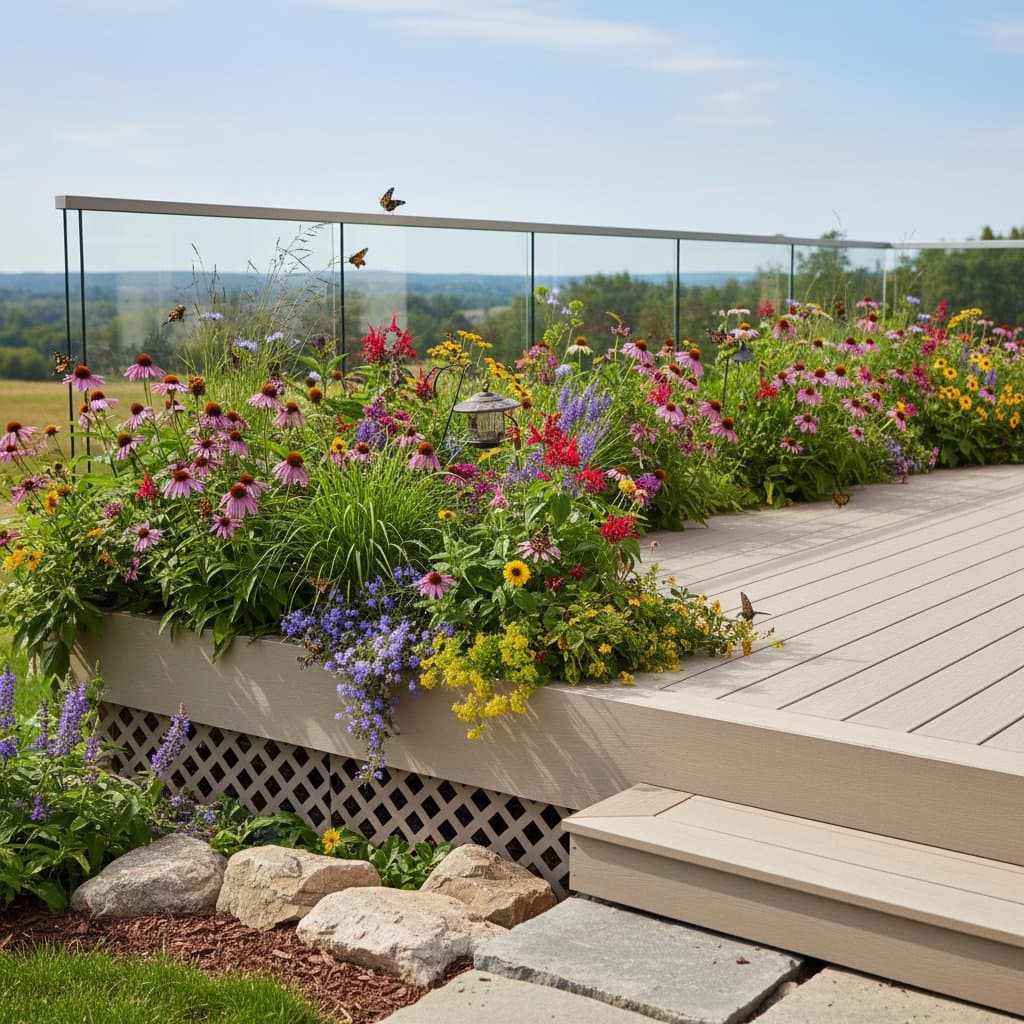
Introduction to Pollinator-Friendly Deck Borders
Urban decks often lack the natural appeal that draws wildlife, but native plants offer a simple solution. These species thrive in local conditions, require little water or fertilizer, and provide essential nectar and habitat for pollinators. By installing a border along deck edges, homeowners create a micro-ecosystem that supports biodiversity while enhancing the aesthetic of their outdoor area.
Native plants adapt well to container or raised bed setups, making them ideal for decks. They bloom sequentially to ensure a steady food supply for insects throughout the growing season. This approach not only benefits pollinators but also reduces maintenance compared to non-native ornamentals.
Selecting Native Plants for Continuous Blooms
Select plants based on your local climate and soil type to maximize success. Focus on species that flower at different times to keep pollinators engaged from spring through fall. Consult regional native plant guides to confirm suitability for your area.
Early-Season Bloomers
These plants kick off the season with vibrant displays that attract early-emerging bees and butterflies.
- Wild columbine (Aquilegia canadensis): Delicate red and yellow flowers dangle from arching stems, blooming in April and May. It prefers partial shade and moist soil, reaching 1 to 3 feet tall.
- Golden alexanders (Zizia aurea): Clusters of bright yellow blooms appear in May, drawing native bees. This perennial grows 2 to 3 feet high in full sun to partial shade and tolerates average soil.
Mid-Season Bloomers
These provide peak summer color and nectar when pollinator activity surges.
- Purple coneflower (Echinacea purpurea): Sturdy pink-purple daisy-like flowers bloom from June to August, attracting butterflies and goldfinches that feed on seeds. It thrives in full sun with well-drained soil, growing 2 to 4 feet tall.
- Butterfly weed (Asclepias tuberosa): Fiery orange blooms from June to September lure monarch butterflies and other species. This drought-tolerant plant reaches 1 to 2 feet and prefers full sun and sandy soil.
Late-Season Bloomers
Extend the habitat into autumn to support migrating insects and overwintering species.
- New England aster (Symphyotrichum novae-angliae): Vibrant purple flowers with yellow centers bloom in September and October, providing late nectar. It grows 3 to 6 feet in full sun and moist soil.
- Blue mistflower (Conoclinium coelestinum): Soft blue clusters from August to October attract butterflies and bees. This 2- to 3-foot plant handles partial shade and average moisture.
Incorporate native grasses for added structure and benefits. Little bluestem (Schizachyrium scoparium) offers warm-season color and seed heads for birds, while prairie dropseed (Sporobolus heterolepis) provides fine texture and citrus-scented foliage. Both grow 2 to 4 feet tall and serve as nesting sites for beneficial insects.
Designing and Planting Your Border
Plan the layout to fit your deck's dimensions and light exposure. Aim for a border width of 12 to 18 inches to allow root growth without encroaching on walking space. Use raised beds or large containers for decks over hard surfaces to improve drainage.
Sketch a simple diagram noting sun patterns: full sun areas suit coneflowers and butterfly weed, while shadier spots work for columbine. Space plants 12 to 18 inches apart, grouping three to five of each species for visual impact. Mix heights and colors for a natural, layered look.
Prepare the site by loosening soil or filling containers with a mix of native soil and compost. Plant in early spring or fall when temperatures moderate. Dig holes twice as wide as the root ball, set plants at soil level, and water thoroughly to settle roots. Apply a 2-inch layer of shredded bark mulch to retain moisture and suppress weeds.
Essential Maintenance Practices
Native plants demand far less intervention than exotic varieties, but consistent light care ensures longevity.
Water deeply once per week during the first growing season or dry periods, allowing soil to dry slightly between sessions. Established plants often rely on rainfall alone in temperate climates.
Remove faded flowers to encourage reblooming and prevent self-seeding if desired. In late winter, prune dead stems to ground level, leaving hollow stalks intact through fall for insect hibernation.
Reapply mulch annually in spring to maintain soil health and deter weeds. Divide overcrowded plants every three to four years in early spring, replanting divisions to expand the border or share with neighbors.
Addressing Common Challenges
Even resilient natives face occasional issues; prompt adjustments keep the border thriving.
If blooms appear sparse, evaluate light levels. Most species require six hours of direct sun daily; relocate shade-casting elements or prune overhanging branches to increase exposure.
Yellow leaves signal excess moisture; amend soil with compost for better drainage or elevate beds by adding a gravel base. Test soil pH if problems persist, aiming for slightly acidic to neutral levels typical of native habitats.
Patience proves key with pollinator attraction. New plantings may take one to two seasons for insects to discover them; enhance appeal by avoiding pesticides and adding a shallow water dish nearby.
Investment and Effort Overview
A 10-foot border requires about 12 plants, plus compost and mulch, costing $60 to $120 from specialty nurseries. Source from local suppliers to ensure regionally adapted stock.
Initial planting occupies one afternoon for a small setup. Weekly checks last the first month total about one hour, focusing on watering and staking if needed. After establishment, seasonal tasks drop to a few hours per year.
Steps to Get Started
Assess your deck's sunlight by observing patterns over a day, noting full-sun and partial-shade zones. Outline a border line using string or chalk, maintaining at least 12 inches from edges.
Research and visit a native plant nursery, bringing notes on your conditions. Select a mix of three to five species spanning bloom seasons, prioritizing those suited to your space.
As the border matures, expect increased shade from foliage, reduced reflective glare, and the rewarding sight of pollinators at work. This small investment fosters a resilient ecosystem, demonstrating how urban spaces contribute to broader conservation efforts.