
Introduction to Balcony Prairies
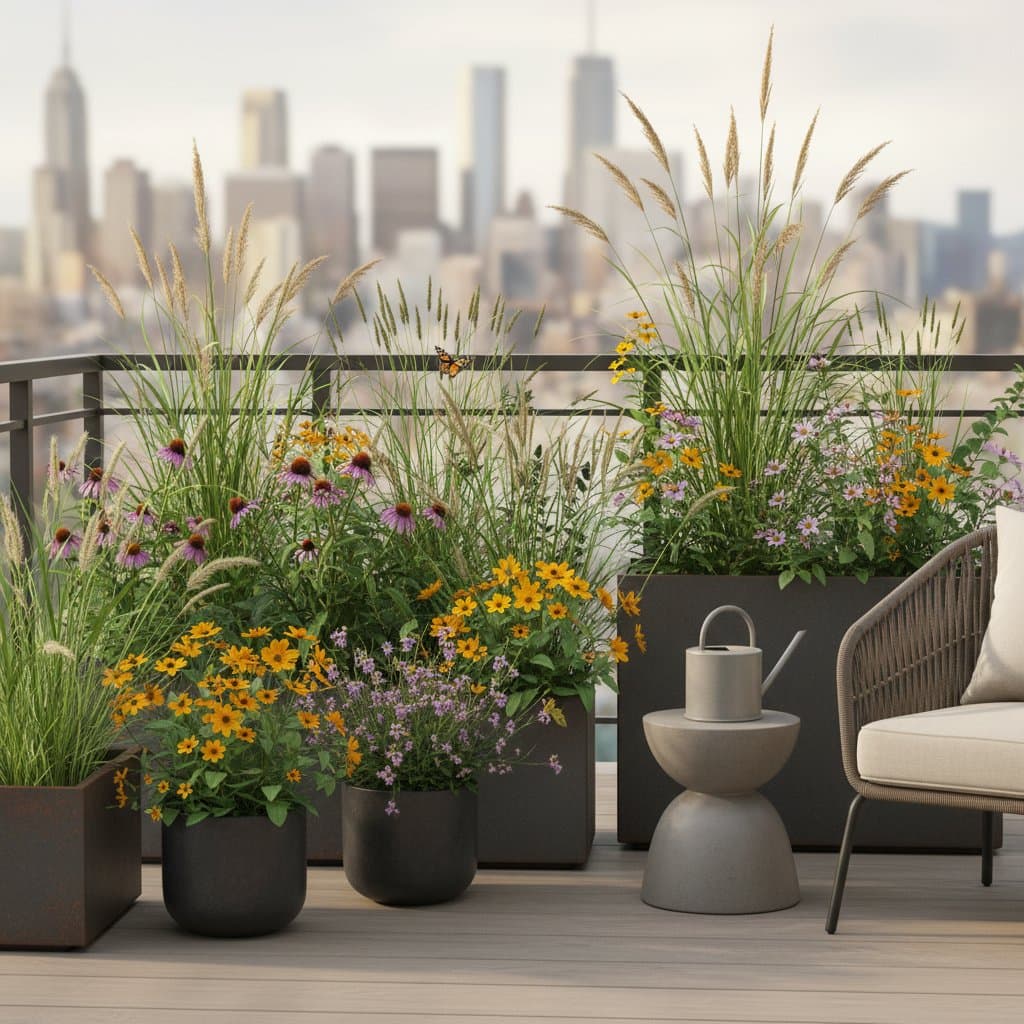
Urban dwellers often seek ways to infuse natural elements into limited spaces. A balcony prairie represents an innovative solution, transforming concrete confines into a semblance of wild meadow. Native grasses serve as the foundation, providing structure and vitality without demanding extensive care.
These plants adapt well to container environments, resisting urban stressors like wind and pollution. By incorporating them, individuals contribute to local ecosystems while enjoying aesthetic and sensory benefits. This guide outlines the process to establish such a feature on a New York City balcony.
Benefits of Native Grasses in Urban Settings
Native grasses originate from regional ecosystems, ensuring compatibility with local climates. In the Northeast, species evolved to withstand variable weather, from humid summers to frosty winters. Their deep root systems stabilize soil in pots, reducing erosion risks.
Pollinator support stands out as a key advantage. Bees, butterflies, and other insects rely on these plants for nectar and habitat, countering urban biodiversity loss. Visually, the grasses create dynamic textures, with seed heads that catch light and sway, evoking open fields amid skyscrapers.
Maintenance remains minimal compared to traditional ornamentals. Once established, they require little watering or fertilizing, conserving resources. This approach aligns with sustainable living, minimizing environmental impact while maximizing personal well-being.
Selecting Suitable Native Grass Species
Choose grasses that match your balcony's conditions, such as sun exposure and container size. For full sun locations in NYC, consider little bluestem (Schizachyrium scoparium). This warm-season grass grows to two feet, displaying blue-green foliage that turns reddish in autumn.
Switchgrass (Panicum virgatum) offers versatility, reaching three to four feet with airy flower plumes. It tolerates partial shade and provides winter interest through persistent stalks. For shorter options, prairie dropseed (Sporobolus heterolepis) fits smaller pots, emitting a subtle citrus scent when mature.
Mix species for diversity. Pair little bluestem with sideoats grama (Bouteloua curtipendula) to add varied heights and colors. Source plants from reputable nurseries specializing in natives to ensure healthy, locally adapted stock. Aim for a combination that balances form and function in your space.
Preparing Your Balcony Space
Assess the balcony's layout before starting. Measure available area to determine pot quantities and sizes; larger containers, at least 12 inches deep, accommodate root growth. Ensure pots feature drainage holes to prevent waterlogging.
Select a quality potting mix amended with compost for nutrient retention. Native grasses prefer lean soil, so avoid rich formulations that encourage excessive growth. Position containers to optimize light, grouping them for wind protection if needed.
Clean the area thoroughly. Remove debris and old plant matter to create a fresh canvas. Consider adding a layer of gravel at the base for stability, especially on windy high-rises.
Step-by-Step Planting Guide
-
Timing Selection: Plant in spring after the last frost, typically mid-April in NYC, or early fall for root establishment before winter.
-
Soil Preparation: Fill pots halfway with the prepared mix. Gently loosen roots of nursery plants before placement.
-
Planting Arrangement: Space grasses according to mature size, leaving room for expansion. For a prairie effect, cluster in odd numbers and vary heights.
-
Watering Initial: Soak thoroughly after planting to settle soil. Maintain consistent moisture for the first two weeks to aid rooting.
-
Mulching Option: Apply a thin layer of shredded bark to retain moisture and suppress weeds, though natives often need little intervention.
Follow these steps to achieve a cohesive planting that mimics natural prairies.
Year-Round Maintenance Practices
Watering forms the core of care. Established grasses prove drought-tolerant, requiring deep soaks only during prolonged dry spells. Check soil dryness by inserting a finger two inches deep; water if arid.
Fertilizing occurs sparingly. Apply a balanced, slow-release product once in spring, avoiding overfeeding that leads to weak growth. Prune dead foliage in late winter to refresh appearance.
Pest management relies on natural resilience. Monitor for aphids or mites, dislodging them with a water spray rather than chemicals. In winter, leave seed heads intact for bird forage and insulation.
Seasonal adjustments enhance longevity. In summer, provide afternoon shade if heat intensifies; in fall, collect seeds for propagation. These routines keep the prairie thriving with minimal effort.
Enhancing Your Prairie with Companions
Incorporate native perennials to boost diversity. Black-eyed Susan (Rudbeckia hirta) adds bright blooms that attract butterflies, complementing grass textures. Milkweed varieties support monarch caterpillars, integrating seamlessly.
For ground cover, wild bergamot (Monarda fistulosa) offers fragrant flowers and pollinator draw. Plant in the same containers or adjacent pots to create layered interest. This combination fosters a balanced mini-ecosystem.
Avoid invasive species that could overwhelm the grasses. Stick to natives verified for urban suitability, ensuring harmony and sustainability.
Overcoming Common Challenges
Wind poses a frequent issue on balconies. Secure pots with weights or ties to prevent tipping. Select sturdy, upright grasses to withstand gusts.
Limited space demands thoughtful scaling. Opt for dwarf cultivars if area constrains; vertical elements like trellises can support climbing companions without crowding.
Soil compaction in containers requires annual refresh. Top-dress with compost in spring to maintain vitality. Address these hurdles proactively for enduring success.
The Rewards of Your Balcony Prairie
A well-established prairie delivers tranquility and connection to nature. Observe pollinators visiting blooms, listen to rustling leaves, and appreciate seasonal shifts from green waves to golden hues.
This setup elevates urban living, providing a private oasis that requires little upkeep. Residents gain not only beauty but also a sense of stewardship over local wildlife. Embrace the subtle power of native grasses to craft a resilient, inviting retreat.