
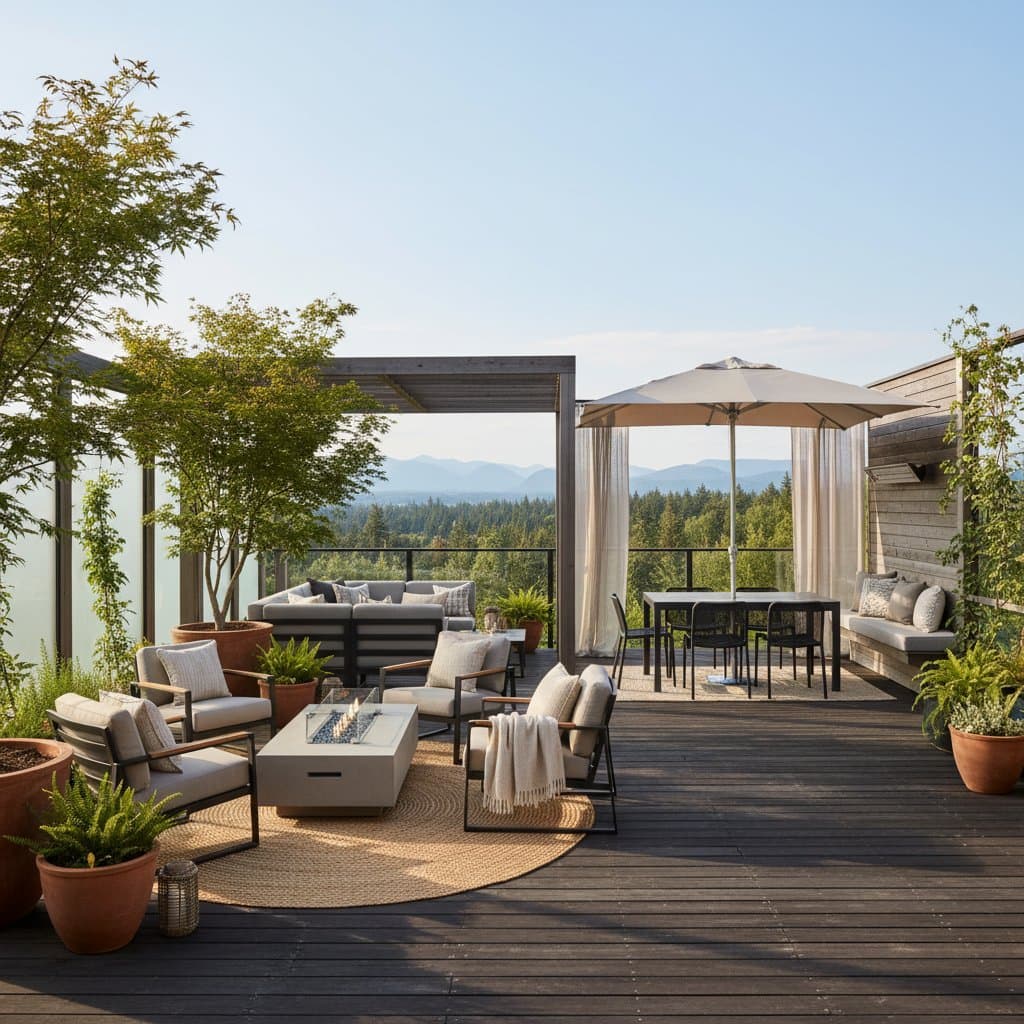
Microclimate Zones Unlock Year-Round Deck Magic
A deck offers potential for extended use beyond brief summer months. Property owners often overlook how targeted adjustments can transform underutilized spaces into reliable retreats. By developing microclimate zones, individuals create defined areas that regulate sunlight exposure, airflow, and thermal conditions, allowing prolonged enjoyment from early spring through late autumn.
This comprehensive guide outlines methods to evaluate outdoor environments, customize zones to match daily routines, and deploy accessible elements for weather adaptability. Readers gain insights into practical implementations that enhance usability without extensive renovations.
Understanding Microclimates on Decks
A microclimate refers to a localized environmental niche characterized by distinct temperature, illumination, and ventilation profiles. Decks naturally feature variations; for instance, a southern-facing corner may retain solar warmth, whereas an exposed edge experiences persistent drafts. Identifying these nuances informs decisions on furniture placement, activity zoning, and vegetation integration.
Strategic modifications amplify these natural traits. Relocating seating by mere two feet alters shade reception. Installing retractable fabric panels or low-profile barriers redirects breezes effectively. Such interventions extend comfortable occupancy periods, fostering a seamless indoor-outdoor lifestyle.
Essential Tools and Materials
Creating effective microclimate zones requires minimal investment in versatile, portable items. These selections prioritize ease of seasonal adjustment and compliance with residential safety norms. Begin with foundational measurement devices and progress to comfort-enhancing fixtures.
- Digital thermometer or wireless environmental sensor: Track temperature fluctuations and humidity levels across the deck to pinpoint thermal gradients accurately.
- Freestanding radiant heater or compact propane fire pit: Provide targeted warmth on cooler evenings; select models with automatic shut-off features for added security.
- Adjustable market umbrella or modular pergola kit: Control overhead sunlight with UV-resistant fabrics that deploy in minutes.
- Retractable privacy screens or decorative lattice fencing: Mitigate wind velocity while maintaining aesthetic appeal; opt for weatherproof materials like vinyl-coated mesh.
- Durable outdoor area rug: Anchor zones visually and thermally, insulating feet from cold surfaces; choose synthetic fibers for quick drying and mold resistance.
- Strategic planters with evergreen shrubs or ornamental grasses: Direct airflow patterns and offer natural screening; position species like arborvitae for year-round wind buffering.
Position all heating elements at minimum three-foot distances from combustible surfaces, including deck railings and upholstery. Verify local fire codes and utilize ground-fault circuit interrupter outlets for electrical components.
Step-by-Step Implementation
Approach zone creation systematically to maximize efficiency and results. This process integrates observation, planning, and iterative refinement, ensuring zones align with specific lifestyle needs.
-
Assess solar patterns meticulously. Observe sunlight trajectories during peak periods: early morning, noon, and late afternoon. Employ sidewalk chalk or painter's tape to delineate persistent sunny expanses versus shadowed retreats, noting seasonal shifts via a simple solar path app or manual shadowing over several days.
-
Evaluate prevailing winds. Suspend lightweight indicators such as nylon ribbons or windsocks from deck edges to visualize airflow directions and intensities. Document how nearby structures, like fences or buildings, channel gusts into specific areas, informing barrier placements.
-
Zoning based on functionality. Designate primary sectors for dining, relaxation, and versatile activities. Maintain six-foot clearances between zones to facilitate safe navigation and comply with egress requirements; incorporate modular furniture for reconfiguration.
-
Incorporate heating solutions strategically. Position infrared heaters adjacent to primary seating clusters, directing output toward occupants rather than broad dispersion. For overhead options, install ceiling-mounted units with tilt adjustments; route extension cords along railings using clips to eliminate hazards.
-
Mitigate excessive heat in exposed areas. Deploy shade sails or cantilever umbrellas to envelop seating groups plus an additional eight to ten square feet buffer. Select angled installations that accommodate diurnal sun arcs, preventing glare while permitting filtered light for ambiance.
-
Integrate tactile elements for sensory comfort. Layer weather-resistant rugs beneath furniture to retain ground warmth, supplemented by plush cushions and lightweight throws. In warmer months, these additions provide cushioning and visual cohesion without overheating.
-
Leverage vegetation for environmental modulation. Arrange potted bamboo or hardy perennials to form living windbreaks, reducing perceived chill by up to 20 percent. Place heat-absorbent materials like stone pavers or succulents in sunlit zones; these elements store daytime solar energy and release it gradually into evenings.
Prioritizing Safety in Outdoor Designs
Safety forms the cornerstone of any deck enhancement project. Maintain separation between ignition sources and flammable materials, including overhanging branches or stored cushions. Anchor tall screens and planters securely against high winds using weighted bases or ground stakes.
Employ only UL-listed outdoor electrical equipment, and disconnect appliances post-use to avert overload risks. Conduct routine inspections for frayed wiring or loose fittings, particularly after inclement weather. These practices safeguard users while preserving the deck's integrity.
Investment and Timeline Considerations
Initial outlays for core items range from $150 to $400, covering essentials like sensors, heaters, and rugs. Advanced features such as custom shade sails or reinforced screens may increase costs by $200 to $500, depending on size and material quality.
Most configurations assemble over a single weekend using household tools like screwdrivers and levels. Factor in one hour for site observation prior to purchases, ensuring selections suit measured dimensions.
Ongoing Upkeep for Lasting Performance
Preserve functionality through regular maintenance routines. Wipe down heaters and fire pits monthly to remove residue, extending operational life. Apply deck sealant biennially to repel water infiltration and structural decay.
Examine shade fabrics quarterly for tears, repairing or replacing as needed. Reinforce guy lines and anchors seasonally to withstand gusts. These habits sustain microclimate efficacy, minimizing long-term repair expenses.
Applying Observations for Personalized Refinement
Dedicate an afternoon to monitoring deck conditions at morning, midday, and evening intervals. Record preferences for lingering spots, factoring in activity types and weather variables. Introduce a single enhancement, such as a wind screen or insulating mat, then reassess usability.
Refined microclimate zones adapt dynamically to user needs, enabling morning coffee rituals amid light chills or evening gatherings under gentle warmth. Iterative adjustments cultivate an outdoor extension of living spaces, promoting daily engagement regardless of seasonal fluctuations.