
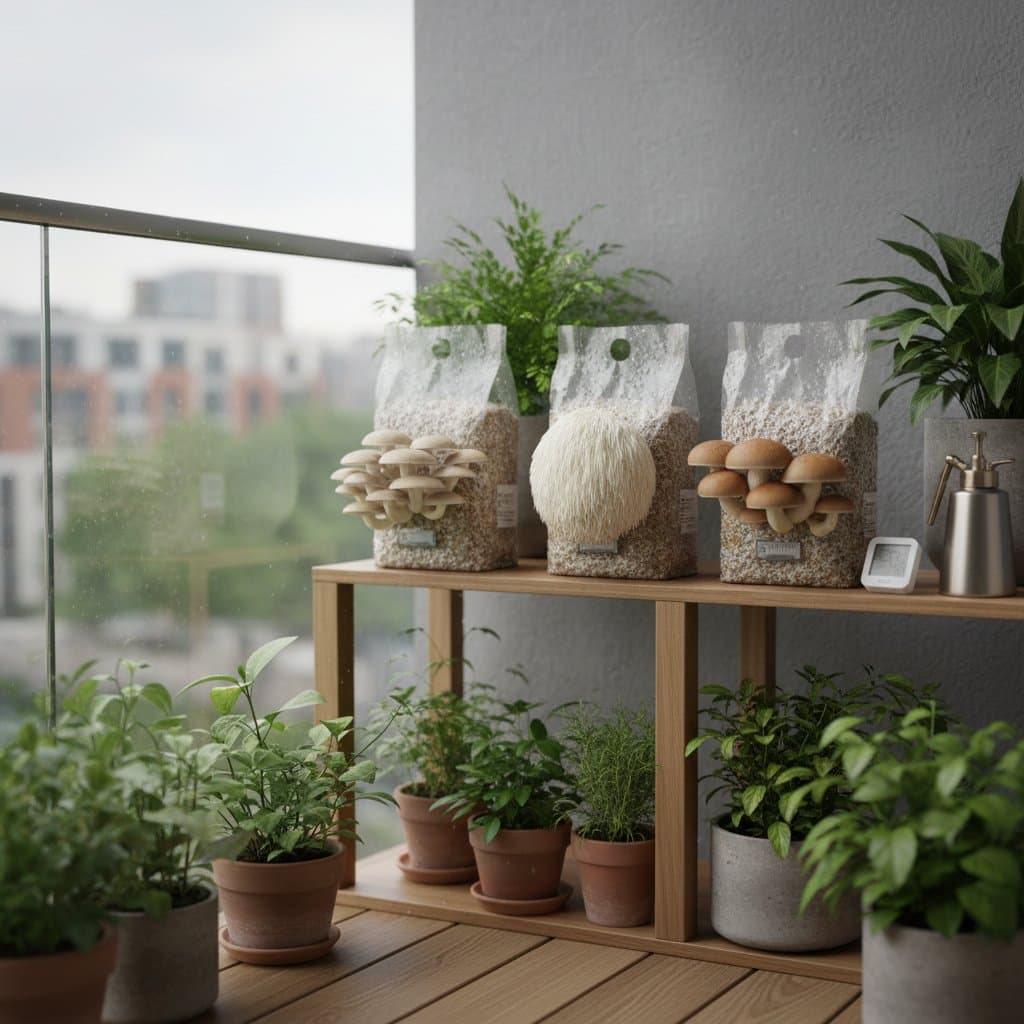
Mushroom Kits: Transform Your Balcony into a Productive Urban Space
Balconies in urban settings often serve basic purposes, such as holding furniture or potted plants. However, these spaces hold greater potential for food production beyond simple herbs or vegetables. Mushroom kits enable the creation of efficient, small-scale farms that yield fresh produce within weeks. Individuals can cultivate varieties like oyster, lion's mane, or shiitake mushrooms without soil, requiring only modest effort. The benefits extend to enhanced flavors in meals, a relaxing routine, and optimal use of shaded areas.
This guide provides a clear path to success. Readers will understand the components of a mushroom kit, its operational principles, and balcony-specific setup methods. Additional coverage includes monitoring techniques, hygiene practices, and strategies for initiating subsequent growth cycles.
Understanding Mushroom Kits
A mushroom kit consists of a prepared block of substrate, the nutrient-rich medium that sustains mushroom development. This block arrives pre-inoculated with mycelium, the thread-like network responsible for mushroom formation. Kits supply all necessary elements—nutrients, retained moisture, and spawn—for multiple growth cycles, known as flushes.
Unlike traditional plants, mushrooms thrive without direct sunlight or soil. They depend on consistent humidity and ambient, indirect light for fruiting. Such requirements align perfectly with balconies that receive limited sun exposure throughout the day.
Essential Tools and Materials
Starting requires a minimal set of supplies:
- A mushroom kit selected for the desired variety
- A spray bottle containing fresh, clean water
- A shallow tray or plastic container to collect excess moisture
- A small knife or pair of scissors to access the kit
- Clean cloths or paper towels for surface maintenance
For enhanced outcomes, consider these optional additions:
- A humidity tent fashioned from a transparent plastic bag
- A compact fan to promote air circulation in stagnant conditions
- A digital thermometer to monitor environmental temperatures
Step-by-Step Cultivation Process
Select an Optimal Location
Identify a shaded section of the balcony maintaining temperatures between 60 and 75 degrees Fahrenheit (15 to 24 degrees Celsius). Direct sunlight risks excessive drying, so position the kit accordingly. Place it on an elevated surface, such as a table or shelf at least 12 inches from the ground, to minimize pest access and water splatter.
Prepare the Kit for Growth
Follow the kit's designated markings to make a precise 3-inch square incision in the enclosing plastic bag. Maintain a compact cut to preserve internal humidity levels within the block.
Maintain Moisture and Observe Development
Apply a light mist of water to the exposed area two to three times daily, ensuring the surface remains moist without saturation. This consistent hydration supports the emergence of fruiting structures. Within approximately seven days, small primordia, or pinheads, should appear.
Harvest at Peak Readiness
Allow mushrooms to mature until caps fully expand and retain firmness, typically 10 to 14 days from initiation. Use a clean knife to sever stems at the base. Pulling risks harming the substrate block and reducing future yields.
Initiate Subsequent Flushes
Following harvest, permit the block a recovery period of three to five days with continued light misting. Many kits support at least two flushes, while others yield three or four under proper care.
Key Safety Considerations
Always wash hands thoroughly before handling the kit or harvested mushrooms. Steer clear of bleach or abrasive cleaners in the vicinity to avoid chemical contamination. Ensure adequate balcony ventilation to deter mold accumulation. Perform daily inspections for any green or black discoloration; if detected, isolate and dispose of the affected block promptly.
Common Issues and Solutions
Issue: Growth halts after the initial flush.
Likely Reason: Substrate dehydration.
**Resolution: Submerge the block in cool water for four hours, then drain thoroughly and resume regular misting.
Issue: Mushrooms develop slender or faded appearances.
Likely Reason: Insufficient air exchange or excessive light exposure.
**Resolution: Relocate to a cooler, more shaded position and introduce gentle airflow with a fan for 10 minutes twice daily.
Issue: Mold forms on the block surface.
Likely Reason: External contamination or excessive watering.
**Resolution: Discard the block immediately. Clean the surrounding area with mild soap and water prior to deploying a replacement kit.
Cost and Time Investment
Mushroom kits typically range from $20 to $40 in price. A single kit may produce up to two pounds of mushrooms across flushes. Premium varieties, such as lion's mane or shiitake, command higher costs. Each cycle spans about two weeks, with daily upkeep demanding fewer than five minutes.
Ongoing Care Practices
Maintain cleanliness in the cultivation zone by emptying the drip tray weekly and wiping surfaces with a damp cloth. Store unopened kits in a cool, dry location until activation. Upon completion, dismantle the spent block and incorporate it into potting soil as nutrient-dense compost for other balcony greenery.
Adapting to Seasons
During warmer periods, increase misting frequency and employ shade cloth if ambient heat intensifies. In colder months, wrap the kit in insulating materials like cardboard or a small enclosure. Position away from heating sources or drafts that could desiccate the substrate.
Efficient Storage Strategies
For multiple kits, apply labels noting activation dates. Arrange them on a ventilated wire rack, ensuring at least six inches of separation for uniform humidity distribution. Organize spray bottles and tools in a dedicated caddy to streamline routine tasks.
Seeking Expert Assistance
Persistent mold growth or unpleasant odors warrant immediate contact with the kit provider. Reputable suppliers often replace defective units upon early notification. For expansive setups exceeding five kits, engage a local urban agriculture community for advice on airflow optimization and sustainable disposal.
Harvest Fresh Flavors from Your Balcony
With these methods, balconies evolve into reliable sources of gourmet mushrooms. Regular attention yields not only nutritious additions to meals but also a satisfying connection to urban cultivation. Begin with one kit to experience the process, then scale as confidence grows.