
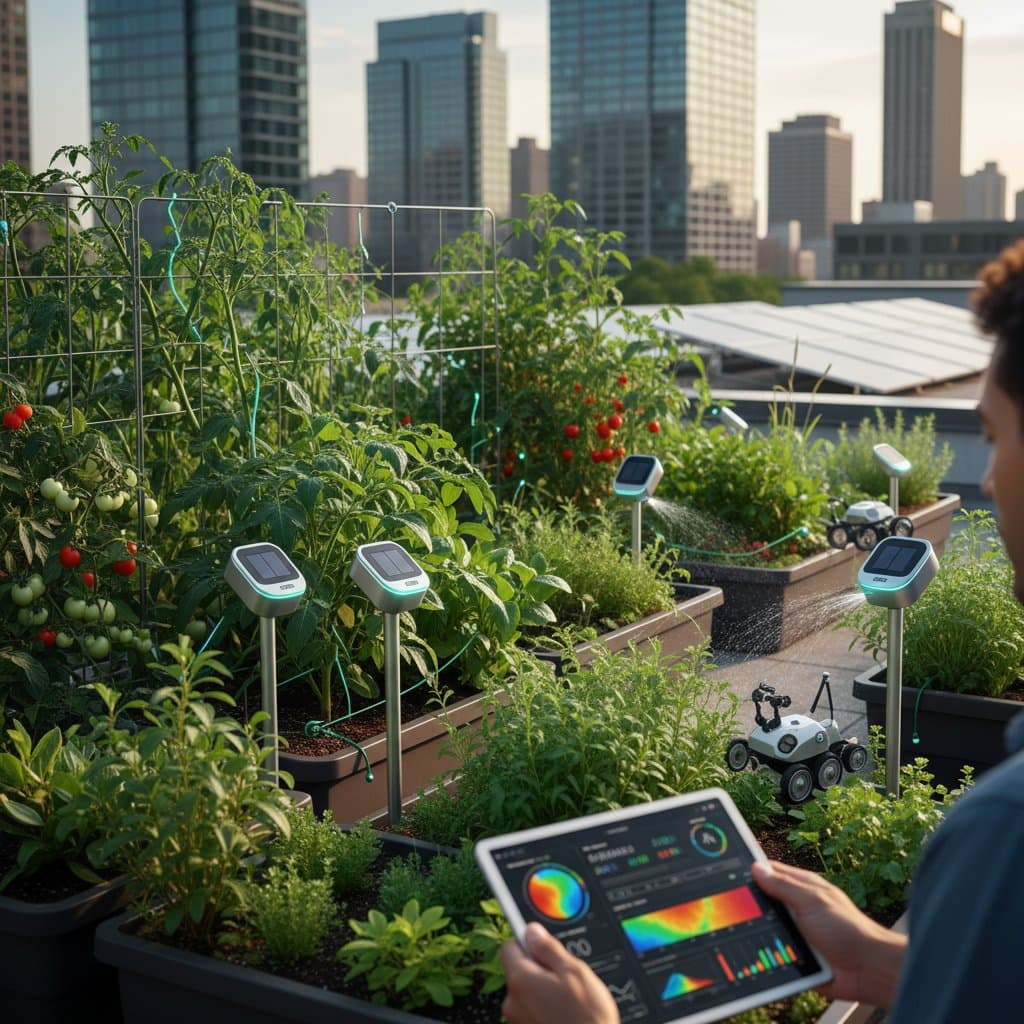
Introduction to AI Microclimate Mapping
Rooftop gardens offer urban dwellers a chance to grow fresh produce despite limited space and variable weather. AI sensors provide precise data on local conditions, such as sunlight exposure, soil moisture, temperature fluctuations, and wind patterns. By mapping these microclimates, gardeners can make informed decisions that lead to healthier plants and higher yields.
Traditional gardening relies on observation and intuition, but AI systems deliver real-time analytics. Sensors collect data across different zones on the rooftop, revealing variations that affect plant growth. For instance, one area might receive more afternoon sun, while another faces stronger winds. This technology enables customization of watering schedules, fertilizer applications, and plant placements to match each zone's unique environment.
Urban rooftops present challenges like heat retention from building materials and sudden weather shifts. AI addresses these by integrating data into user-friendly apps or hubs that suggest adjustments. Gardeners report up to 30 percent yield improvements through such precision, making the investment worthwhile for both novice and experienced growers.
Essential Tools for AI Microclimate Systems
Selecting the right tools forms the foundation of an effective setup. Begin with a central AI control hub that processes data from multiple sensors and connects to irrigation systems. Popular hubs feature wireless connectivity, allowing remote monitoring via smartphone applications.
Soil moisture sensors measure water levels at root depth, preventing over- or under-watering. Climate sensors track air temperature, humidity, and light intensity to predict growth conditions. Wind gauges add value in exposed rooftop settings, helping secure plants during gusts.
Choose sensors compatible with your hub's ecosystem for seamless integration. Battery-powered options reduce wiring needs, while solar-charged models suit sunny rooftops. Test compatibility before purchase to ensure reliable performance across zones.
Step-by-Step Setup Guide
Installation requires careful planning to integrate sensors without disrupting your garden layout. Identify zones based on sunlight patterns and plant types; for example, designate one for sun-loving herbs and another for shade-tolerant greens.
Mount sensors securely using brackets or stakes designed for outdoor use. Place soil sensors 4 to 6 inches deep in representative spots within each zone. Position climate sensors at canopy height to capture air conditions accurately.
Connect sensors to the hub following manufacturer instructions, typically via Bluetooth or Wi-Fi. Calibrate the system by running initial tests: water a zone and verify that moisture readings update promptly. Integrate irrigation by attaching smart valves that respond to sensor data, automating water delivery based on thresholds you set.
A full setup for three zones takes about four hours. Start early in the day to allow time for adjustments. Once operational, the system generates baseline data within 24 hours, ready for analysis.
Safety Considerations for Rooftop Installations
Safety remains paramount when working at heights and with electrical components. Position all wiring and hubs on elevated platforms to avoid contact with rainwater or irrigation overflow.
Select outdoor-rated extension cords and grounded outlets to withstand urban weather exposure. Inspect connections regularly for wear, especially after storms.
Refrain from handling sensors or adjusting equipment during high winds, lightning, or temperatures above 95 degrees Fahrenheit. These conditions increase risks of slips or equipment failure.
Before detaching any hoses or valves, close irrigation shutoffs to prevent unexpected water flow. Anchor planters and trellises with straps or weights to resist wind uplift, protecting both structures and people below.
Adhering to these practices safeguards your setup, plants, and personal well-being. Consult building codes for rooftop access guidelines in your area.
Budgeting for Your AI Garden System
A basic AI microclimate system proves accessible for most urban gardeners. For a setup covering three zones with 8 to 10 planters, allocate time over one weekend for assembly and testing.
Consider this sample budget:
- AI control hub: $250
- Three soil moisture sensors: $120
- Two climate sensors: $100
- Smart irrigation valves and tubing: $150
- Hardware, enclosures, and mounting supplies: $80
Total investment: Approximately $700. This covers core functionality, with options for expansion.
Larger rooftops benefit from additional zones, added incrementally to manage costs. Many systems support modular upgrades, such as integrating wind sensors later. Factor in ongoing expenses like batteries or subscriptions for advanced analytics, typically under $50 annually.
Shop for bundles to save 10 to 20 percent. Prioritize durable, weather-resistant components to minimize replacement needs over time.
Maintenance and Storage Best Practices
Regular maintenance ensures your AI system delivers consistent performance. Clean sensors monthly to remove dust or debris that could skew readings. Check batteries and connections quarterly, replacing any corroded parts promptly.
Organize storage to combat rooftop clutter and environmental damage. House chargers, cables, and spare parts in a weatherproof box elevated off the surface.
Label extra sensors and store them in airtight bags to shield against moisture. Position the AI hub beneath a protective canopy or in a ventilated enclosure, avoiding direct sunlight that shortens lifespan.
Keep fertilizers, pesticides, and soil additives in sealed containers distant from electronics to prevent contamination. Dedicate a small shelf or cart for tools, fostering easy access during routines.
These habits streamline upkeep and extend equipment longevity. Schedule seasonal reviews to update software and recalibrate based on changing rooftop conditions.
Implementing Data-Driven Improvements
AI microclimate mapping shifts gardening from estimation to precision. Initial data collection establishes patterns, guiding refinements in watering, nutrient delivery, and crop rotation.
Follow these steps to integrate the system effectively:
- Begin modestly: Install sensors in three key zones and monitor for two weeks to gather foundational data.
- Respond to insights: Modify irrigation schedules or relocate plants according to AI recommendations, such as increasing shade for heat-stressed areas.
- Scale thoughtfully: Introduce additional sensors or automations once core operations stabilize, targeting yield gaps identified in reports.
Over seasons, expect enhanced plant vitality, reduced resource waste, and reliable harvests. This approach fosters a resilient rooftop ecosystem attuned to urban dynamics, yielding bountiful results with minimal effort.